Hooked!
Play Hooked!
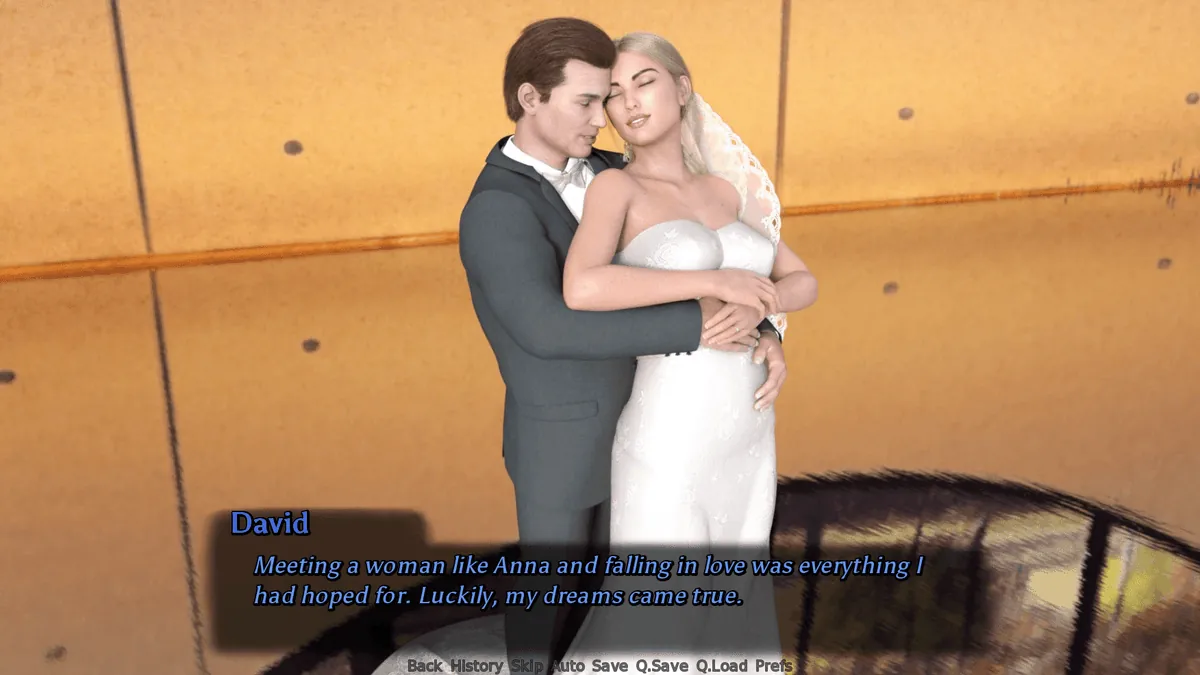
Hooked! Screenshots



Hooked! review
Master the choice-driven visual novel experience with strategic tips and character insights
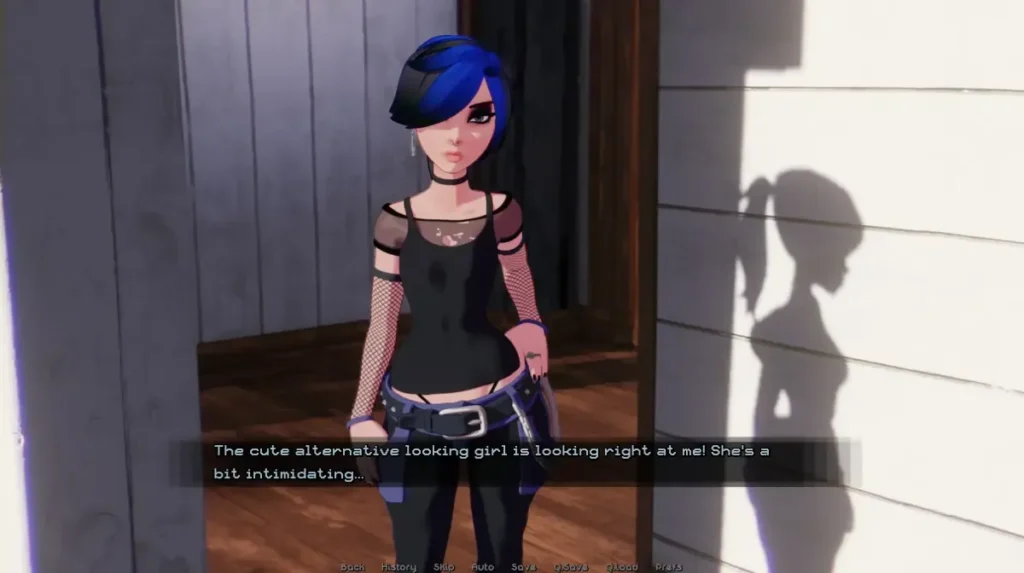
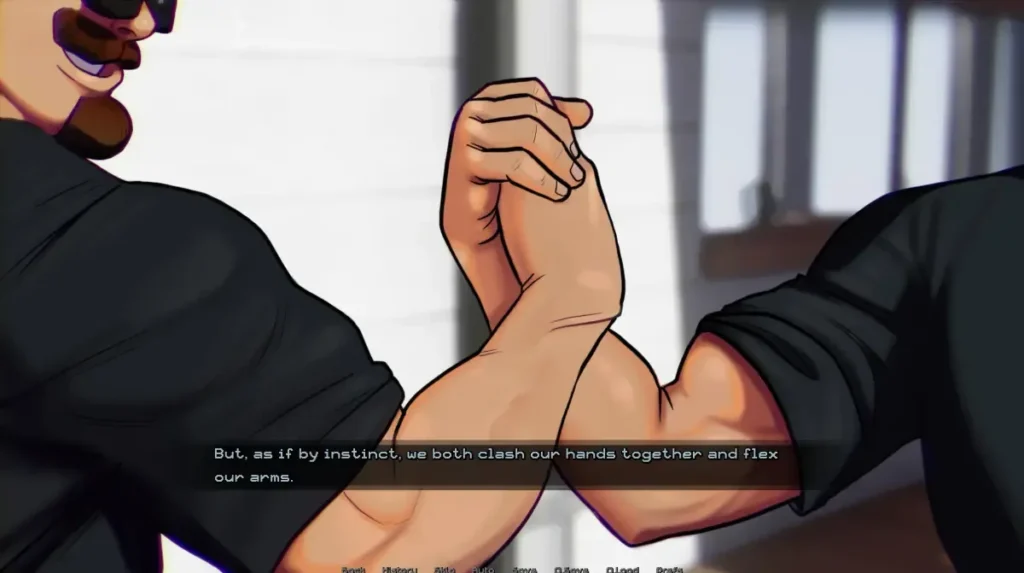
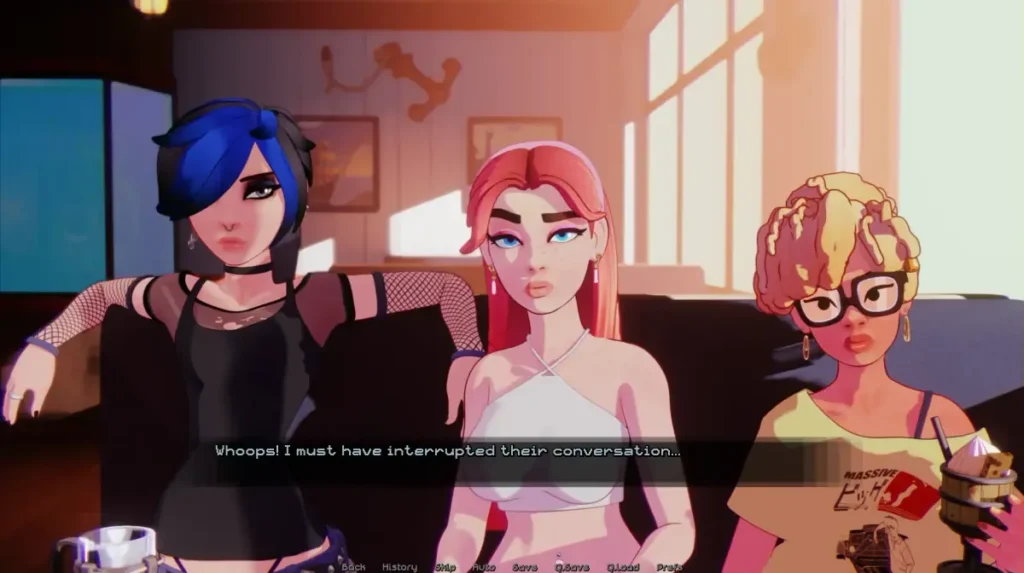
Hooked! stands out as a narrative-driven visual novel that blends compelling storytelling with meaningful player choices. Set in the early 2000s, this interactive experience follows three ambitious characters navigating their rise to stardom, with you as a naive fisherman thrust into their world. Unlike typical visual novels, Hooked! emphasizes consequence-driven gameplay where every decision—from dialogue choices to budget allocation—shapes relationships, story outcomes, and available scenes. Whether you’re new to adult interactive games or a seasoned player, understanding the game’s mechanics, character dynamics, and strategic elements will enhance your playthrough and unlock multiple narrative paths.
Understanding Hooked! Gameplay Mechanics and Core Systems
Ever felt like your choices in a story game don’t really matter? Like you’re just clicking through a predetermined path? If that sounds familiar, get ready to have your mind changed. Hooked! isn’t your typical visual novel; it’s a deep, strategic experience where every single click carries weight. The core of its magic lies in a set of interlocking systems that transform simple interactive story decisions into a rich tapestry of consequences, relationships, and entirely unique narratives. 🎭
Mastering Hooked! gameplay mechanics is the key to unlocking its full potential. It’s where a brilliant choice system visual novel framework meets the tactical thinking of a time management simulation and the emotional depth of a true relationship building game. This guide will break down exactly how these systems work together to create that unforgettable, consequence-driven gameplay you’ve been searching for.
How the Choice System Shapes Your Story
At its heart, Hooked! is powered by a deceptively simple idea: your decisions are the engine of the story. But this isn’t about picking “good” or “evil” dialogue options. The choice system visual novel here is nuanced, tracking your preferences, your loyalties, and even your mistakes with frightening accuracy. Every major decision you make doesn’t just advance the plot—it actively creates branching narrative paths that can diverge wildly from another player’s experience.
Think of it like a stone dropped in a pond. The ripples spread out, touching everything. Let me give you a real example from my own playthrough.
The Scenario: Early on, you’re asked to choose which of two characters to support during a minor creative disagreement. It seems inconsequential—just a bit of drama.
Choice A: You side with Character X, praising their vision.
Choice B: You defend Character Y, highlighting their practical approach.
Here’s how that single, seemingly small interactive story decision cascaded in my game:
- Immediate Effect: Character X felt validated and my relationship score with them increased slightly. Character Y was disappointed.
- Short-Term Consequence: A few days later, Character Y was less likely to help me with a task, citing being “busy.”
- Long-Term Arc: This allegiance was remembered. When a major project opportunity arose chapters later, Character X recommended me for a key role, while Character Y supported a rival. My entire career subplot branched because of that early moment.
- Hidden Trigger: Supporting Character X also quietly increased a “boldness” stat, which later unlocked a daring dialogue option during a confrontation with a third character, leading to a romantic subplot I didn’t even know existed!
This is the essence of consequence-driven gameplay. The game doesn’t signpost “THIS IS A BIG MOMENT.” It trusts the systems to remember, creating a living world that reacts to you. To master this, you need to think beyond the immediate scene. Ask yourself: What does this choice say about my character’s personality? Who might be listening? How could this affect the group dynamics later? There are no take-backs, and that’s what makes every moment thrilling. 😅
Mastering the Clock and the Map: Time Management and Location Exploration
If the choice system is the game’s brain, then the calendar is its beating heart. Hooked! introduces a brilliant time management simulation layer that forces you to strategize. Your time, like your choices, is a finite resource. The game operates on a clear calendar and day structure, with each day broken into time blocks (like Morning, Afternoon, Evening). You can’t do everything, and you certainly can’t please everyone in one go.
This system is genius for a few reasons. First, it creates authentic tension. Do you spend your afternoon working on that crucial photoshoot to boost your budget, or do you go comfort a friend who’s having a crisis? The management sim aspects—deciding on projects, allocating your limited budget, resolving conflicts—are woven directly into this time pressure. A successful photoshoot requires planning (time), resources (budget), and sometimes navigating team disagreements (conflict resolution).
Second, it’s the engine for incredible replay value. With limited time, you physically cannot see every character’s story or unlock every event in a single playthrough. Maybe this time, you focus all your energy on a music career path and a relationship with one character. On your next run, you could pivot to video production and explore a totally different set of branching narrative paths. The “what if” scenario isn’t just a thought—it’s a new game save waiting to happen.
Location exploration ties into this perfectly. Different characters and opportunities appear at different places on different days. Finding the right person at the right time often requires planning and a little luck. This spatial layer makes the world feel alive and turns every new day into a small puzzle to solve. Do you go to the studio, the café, or the park? Your destination shapes your story just as much as your dialogue.
To visualize how these core Hooked! gameplay mechanics support each other, let’s break them down:
| Gameplay Mechanic | Primary Function | Player Benefit & Strategic Tip |
|---|---|---|
| Choice & Consequence System | Drives the narrative, locks or unlocks story arcs, and defines character relationships. | Creates a personalized story. Tip: Role-play consistently and embrace mistakes—some of the best stories come from unintended consequences! |
| Time Management (Calendar) | Limits daily actions, creates opportunity cost, and structures long-term progression. | Adds strategic depth and fuels replayability. Tip: Plan your week around key events. Sometimes skipping a social event to finish a project pays off later. |
| Location Exploration | Gates character interactions and special events based on in-game geography and timing. | Makes the world feel dynamic. Tip: Check your map at the start of each new day phase. Characters often have preferred hangouts. |
| Relationship Score (Hidden) | Quantifies your standing with each character, influencing their dialogue, help, and available story routes. | Provides tangible feedback on your social choices. Tip: Pay attention to character reactions. A sigh or a smile often tells you more than a visible meter. |
| Resource Management (Budget, Projects) | Simulates the professional and logistical challenges of the in-game career. | Grounds the fantasy in real stakes. Tip: Balance creative risks with financial safety. A failed, expensive project can strain team morale. |
Relationship Building and Character Dynamics
This is where all the systems come together to create magic. Hooked! excels as a relationship building game because relationships aren’t just a side activity—they are the main quest, intricately connected to everything else. You don’t build relationships by simply picking “flirt” options. You build them by investing your most precious resource: time.
Spending an afternoon with someone is a conscious decision against other options. What you do with that time matters even more. The dialogue system rewards empathy and observation. Each character has a distinct personality—ambitious, cautious, playful, sensitive. Choosing responses that align with their core traits (or sometimes, cleverly challenging them) yields better results than a generic “nice” answer. It’s about understanding what makes them tick.
Furthermore, relationships are tested by the consequence-driven gameplay. Jealousy, conflict, and shifting alliances aren’t just story themes; they are mechanical realities. If you’ve been spreading your time thin, characters will notice and comment. If you promise to help someone with a narrative task (like gathering information or preparing for an event) and then fail to do it, that broken promise will damage trust, potentially closing off entire story branches. 💔
The most intimate scenes in the game, including its adult content, are framed as the ultimate narrative rewards. They are not randomly accessed; they are earned through consistent investment, correct key choices, and maintained trust. This approach makes these moments feel like a genuine culmination of your shared journey rather than a gratuitous checkbox. It reinforces that in Hooked!, every interaction is part of a larger, delicate web of human connection.
Remember, in this relationship building game, you’re managing a group dynamic as much as individual connections. A decision that makes one character happy might alienate another. Navigating this social landscape is the game’s ultimate strategic challenge. Do you play it safe and try to keep everyone moderately happy, or do you dedicate yourself fully to one path, accepting the potential fallout? There is no wrong answer, only different, compelling stories.
Ultimately, the genius of Hooked! gameplay mechanics is their synergy. The choice system visual novel creates the branches, the time management simulation forces you to navigate them with purpose, and the relationship building game elements give every decision emotional weight. This interconnected design creates a powerful loop of action, consequence, and adaptation that makes each playthrough a uniquely personal story. Your journey through its world of interactive story decisions and branching narrative paths will be yours alone—a testament to the power of truly consequence-driven gameplay. Now, go start your next “what if” save. Your story is waiting. 🚀
Hooked! delivers a distinctive experience in adult interactive gaming by prioritizing meaningful choices and character-driven narratives. The game’s strength lies in its sophisticated choice system, where every decision—from dialogue selections to strategic budget allocation—creates tangible consequences that shape relationships, story outcomes, and available content. The time management mechanics encourage multiple playthroughs, while the relationship building system ensures that adult content feels earned and narratively appropriate rather than arbitrary. Whether you’re drawn to the comedic early 2000s setting, the three distinct character personalities, or the strategic management elements, Hooked! offers substantial replay value and personalized storytelling. If you’re seeking an adult visual novel that respects player agency and delivers engaging character interactions alongside mature themes, Hooked! is worth exploring. Start your journey today and discover how your unique choices create a story that’s entirely your own.