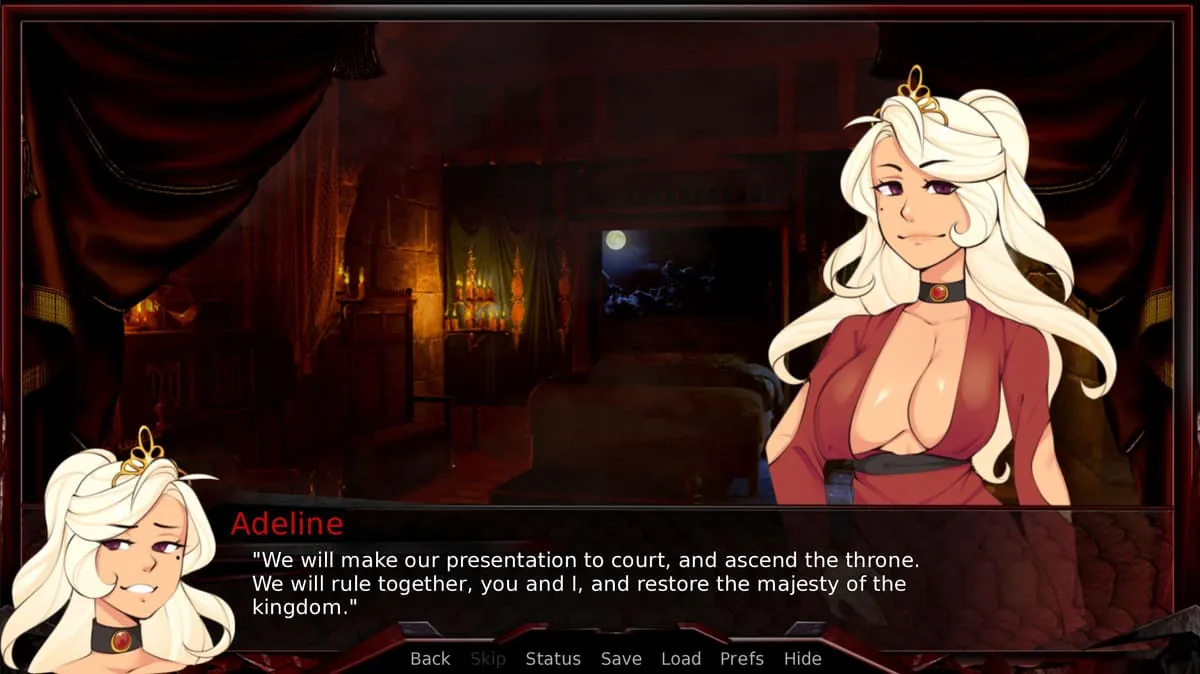
Jen’s Dilemma
Play Jen’s Dilemma
Jen’s Dilemma Screenshots

















Jen’s Dilemma review
A practical, player-focused breakdown of Jen’s Dilemma gameplay, story, and strategies
Jen’s Dilemma is a story-driven game that follows Jen’s fall from comfort into hardship, and the choices players make shape her path and outcomes. In this article I’ll walk you through the game’s core systems, meaningful decisions, and practical strategies I used while playing to reach specific endings. Whether you’re replaying for different results or experiencing the game for the first time, this guide focuses solely on Jen’s Dilemma and offers hands-on advice, examples from my play sessions, and a clear plan to progress efficiently.
Understanding Jen’s Dilemma: Story, Themes, and Characters
Ever been handed a life that looks perfect from the outside, only to have it all crumble in your hands? That’s exactly where we find Jen at the start of Jen’s Dilemma story, and let me tell you, it’s a ride. 😮 This isn’t your typical rags-to-riches tale; it’s the gut-wrenching inverse. You step into the polished shoes of Jen, a young woman whose world of luxury and ease is violently upended by a family scandal and sudden, brutal poverty. The core premise is devastatingly simple: how far will you go to survive, and who will you become in the process? The setting shifts from glitzy penthouses to a cramped, damp apartment in a matter of scenes, masterfully using environment to mirror Jen’s internal collapse. The tone is raw, intimate, and unflinchingly honest, focusing on themes of survival, compromise, and consequence. Every comfort is stripped away, forcing you, as Jen, to make decisions you never thought possible.
Understanding this Jen’s Dilemma narrative guide means recognizing that the plot is a house of cards built on your choices. The story unfolds across several distinct Jen’s Dilemma chapters, each representing a key phase of Jen’s downfall and rebuilding. Chapter 1, “The Fall,” is all about shock and denial. Chapter 2, “The Grind,” forces you into uncomfortable new routines. Later chapters like “Crossroads” and “Reckoning” deal with the long-term fallout of your early decisions. You don’t just watch the story; you feel its weight with every click, because your Jen’s Dilemma plot choices directly unlock or lock away story beats, character interactions, and crucial resources. It’s a brilliantly structured pressure cooker.
What is the core story and setting of Jen’s Dilemma?
The heart of Jen’s Dilemma story is a brutal character study wrapped in an interactive novel. One day, Jen is planning a lavish vacation; the next, she’s figuring out how to afford bus fare. The game’s power lies in this immediate, visceral shift. You’re not told about her privilege—you experience its loss. The setting is a modern, unnamed city that feels both sprawling and claustrophobic. You’ll navigate two worlds: the fading memory of upscale districts (now just places she can’t afford to enter) and the gritty, realistic neighborhoods where her new life unfolds—dingy cafes, overcrowded public transit, and a bleak apartment that becomes a symbol of her struggle.
This Jen’s Dilemma narrative guide would be remiss not to highlight the game’s central themes. Survival isn’t just about money; it’s about emotional endurance. Compromise is the game’s middle name. Will you swallow your pride to ask for help from someone who looks down on you? Will you take a morally questionable job because it pays well? The theme of Consequence is woven into the very code. I learned this the hard way. Early on, a former friend, Marco, offered me a “quick cash” job delivering a sealed package. I was desperate, my rent meter was blinking red, and I took it. It seemed like a simple, victimless errand. Weeks later, in a later chapter, that single decision caused a trusted ally to refuse me shelter, saying, “I heard you’re running packages for Marco’s crew. We don’t need that heat here.” The game has a long memory, and it will make you pay for your shortcuts. 😓
Who are the key characters and relationships?
The characters in Jen’s Dilemma are far from black and white; they’re beautifully flawed, self-interested, and sometimes surprisingly kind. Your relationships with them are the engine of the story, measured through hidden “Trust” and “Respect” meters that change with every interaction. Managing these relationships is as critical as managing your virtual cash.
- Jen (You): The lens through which everything is filtered. Your personality is shaped by your choices—will you become bitter and ruthless, resilient and compassionate, or a broken shadow of your former self?
- Elena (Mother): The embodiment of the old life, now drowning in debt and despair. Your choices with Elena define your sense of family duty. Supporting her emotionally (or financially) can be a massive drain, but ignoring her builds a different kind of debt.
- Leo (Old Friend/Maybe More?): A grounded, working-class friend from before the money. Leo represents a potential anchor to decency and reality. Nurturing this relationship can open up honest work opportunities and emotional support, but it requires you to be vulnerable and reject your old snobbery.
- Mr. Voss (Antagonist/Creditor): The chilling, polite face of the debt that crushed Jen’s family. Interactions with him are high-stakes games of etiquette and tension. Gaining his respect might lead to easier terms, but showing fear can make you a target.
- Kira (New Acquaintance/Roommate): A pragmatic survivalist who becomes Jen’s reluctant roommate. Kira doesn’t care about your past; she cares if you can pay your share. This relationship is built on practical Jen’s Dilemma plot choices—doing your chores, contributing to groceries—which slowly, very slowly, can build into genuine loyalty.
Here’s a quick reference table for the core Jen’s Dilemma characters you’ll need to keep on your radar:
| Character | Role | Relationship Impact | First Major Appearance |
|---|---|---|---|
| Elena | Mother / Emotional Weight | High (Family Trust meter). Choices affect Jen’s stress levels and available funds. | Chapter 1: The Fall |
| Leo | Moral Compass / Potential Ally | High (Personal Trust meter). Influences access to legitimate jobs and emotional support scenes. | Chapter 1: The Fall |
| Mr. Voss | Primary Antagonist / Creditor | Critical (Respect/Fear meter). Directly affects debt payment pressure and legal threats. | Chapter 2: The Grind |
| Kira | Practical Ally / Roommate | Medium-High (Reliability meter). Affects living costs, home safety, and backup in crises. | Chapter 2: The Grind |
| Marco | Shadowy Contact / Temptation | Medium (Favor meter). Provides risky, high-reward opportunities that can damage other relationships. | Chapter 3: Crossroads |
How choices shape Jen’s journey
This is where the rubber meets the road in your Jen’s Dilemma narrative guide. The game’s philosophy is that there are no “right” answers, only consequential ones. Your Jen’s Dilemma plot choices come in three main flavors, each rippling out differently:
- Dialog Choices: These aren’t just about being nice or mean. They’re about strategy. Choosing to be “humble but firm” with Mr. Voss might increase his Respect meter, while “desperate pleading” lowers it and raises his Fear meter (which is bad—he preys on fear). A tip from my playthrough: > “Always consider what the character you’re speaking to values. Kira values honesty and directness. Elena needs reassurance. Leo appreciates authenticity. Play to their values to build trust.” ✨
- Favor & Resource Decisions: Often, you’ll be asked to lend money, time, or effort. Helping Leo fix his car might cost you a precious afternoon of job-hunting, but it massively boosts his Trust, unlocking a crucial job lead later. Conversely, hoarding every penny for yourself makes survival today easier but leaves you utterly alone tomorrow.
- Major Moral Crossroads: These are the big, chapter-defining decisions. I mentioned my Marco package mistake. Another classic example hits in Chapter 4. You discover compromising information about someone who wronged you. Do you use it for blackmail to solve your financial problems instantly (Compromise your morals), expose it publicly for justice but no gain (Uphold your ethics), or bury it and try to move on (Prioritize your peace)? Each path branches the story dramatically and directly filters which of the multiple Jen’s Dilemma endings you are steering toward.
So, how do you track all this in your own playthrough? Here’s my practical advice:
- Listen to the Music and Watch the Pauses: The soundtrack and character reaction pauses are huge tells. A sharp, dissonant sting after a choice usually means you’ve damaged a relationship, even if the character says “okay.” A warm, soft melody suggests a connection was strengthened. 🎵
- Keep a Simple Journal: Seriously, old-school works. Note down big decisions and how key characters reacted. It’s easy to forget a snide remark you made to Kira in Chapter 2 that comes back in Chapter 5.
- Replay Key Scenes: Don’t be afraid to use the scene rewind feature (if you have it) to test reactions. Choosing different dialog options with the same character in a safe scene can teach you their personality.
- Embrace the Paranoia: The game wants you to feel the weight. If you’re agonizing over a decision between a “good” option and a “necessary” one, you’re playing it correctly. That tension is the soul of the Jen’s Dilemma story.
Ultimately, understanding the Jen’s Dilemma chapters and how your choices weave through them is about accepting that Jen’s story is a mirror. Your priorities, your ethics, and your definition of survival are what’s truly on trial. The various Jen’s Dilemma endings—from triumphant and independent, to morally bankrupt but wealthy, to broken and alone—aren’t rewards or punishments. They are reflections. They answer the question the game asked you at the start: when everything is taken from you, what’s left? And what will you build with the pieces?
Jen’s Dilemma offers a branching, choice-driven experience where narrative decisions, resource management, and relationships determine Jen’s path. This guide covered the story setup and characters, core mechanics and efficient progression, how to plan runs for specific endings, presentation and technical notes, and ethical/community practices for discussing the game. Use the step-by-step examples and pacing tips to optimize your playthroughs, save often to explore alternate routes, and engage with the community responsibly if you seek additional strategies. If you’d like, I can expand any chapter into a full walkthrough with annotated choice trees and annotated save points.