
Once in a Lifetime
Play Once in a Lifetime
Once in a Lifetime Screenshots







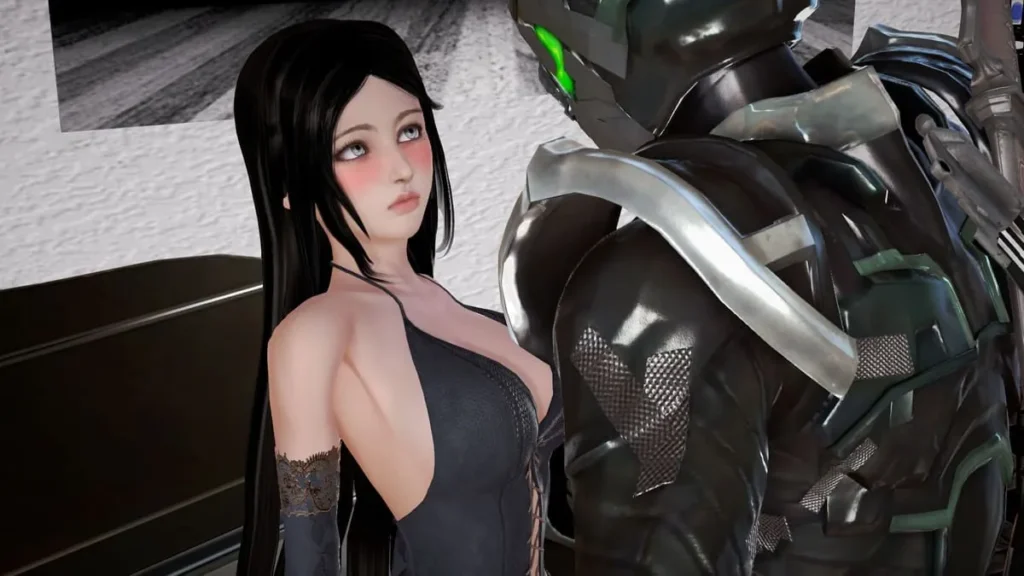

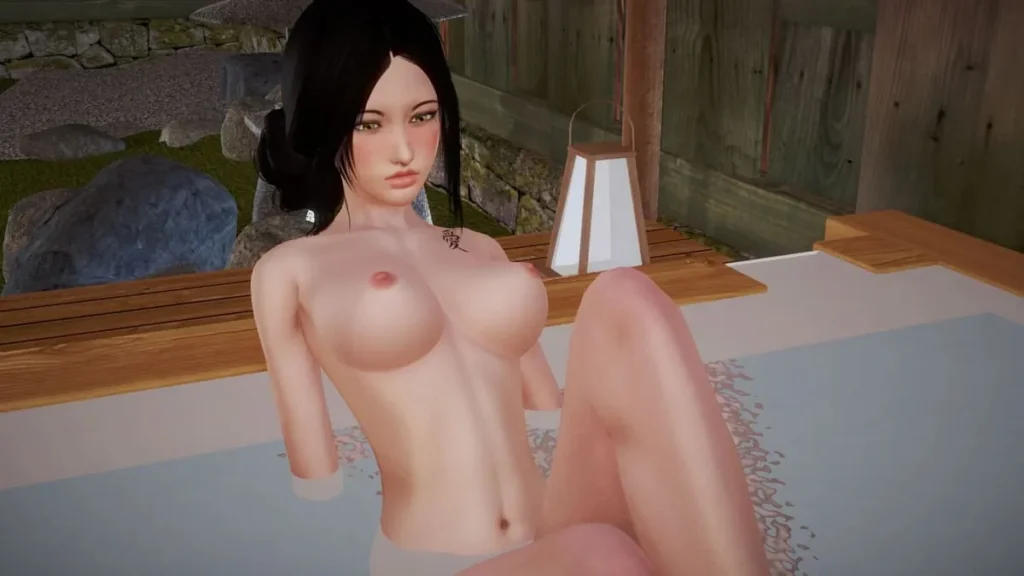


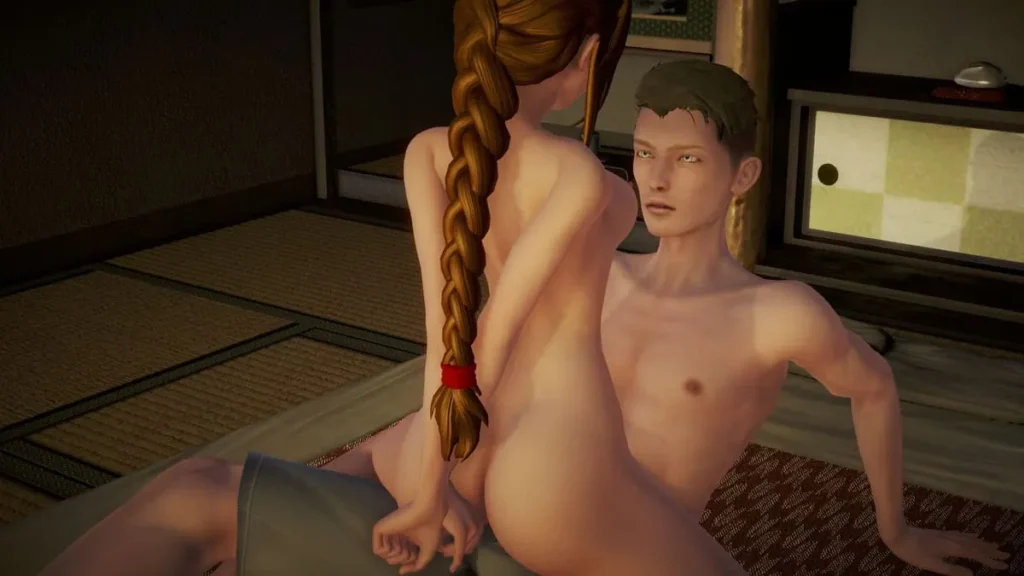


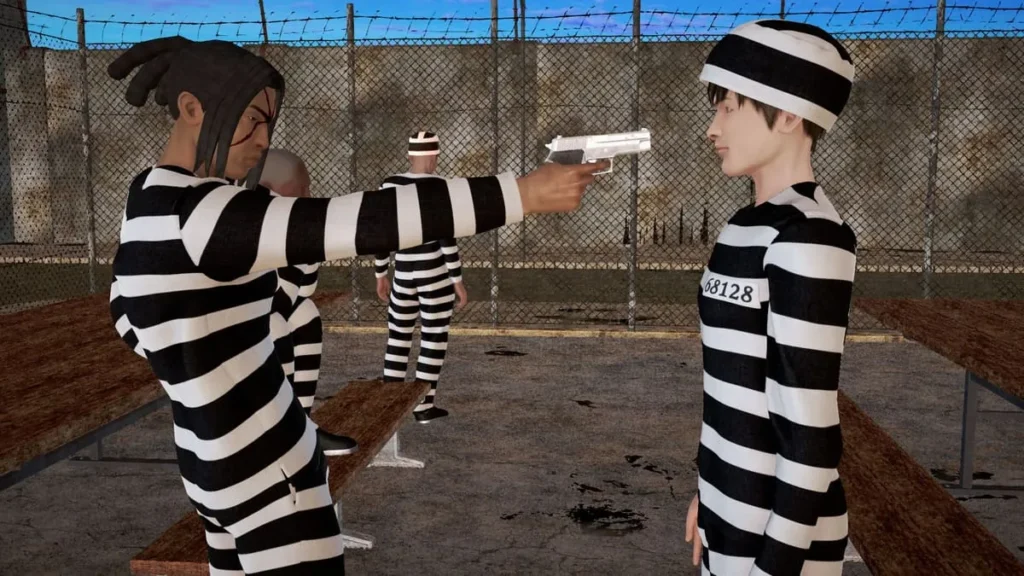
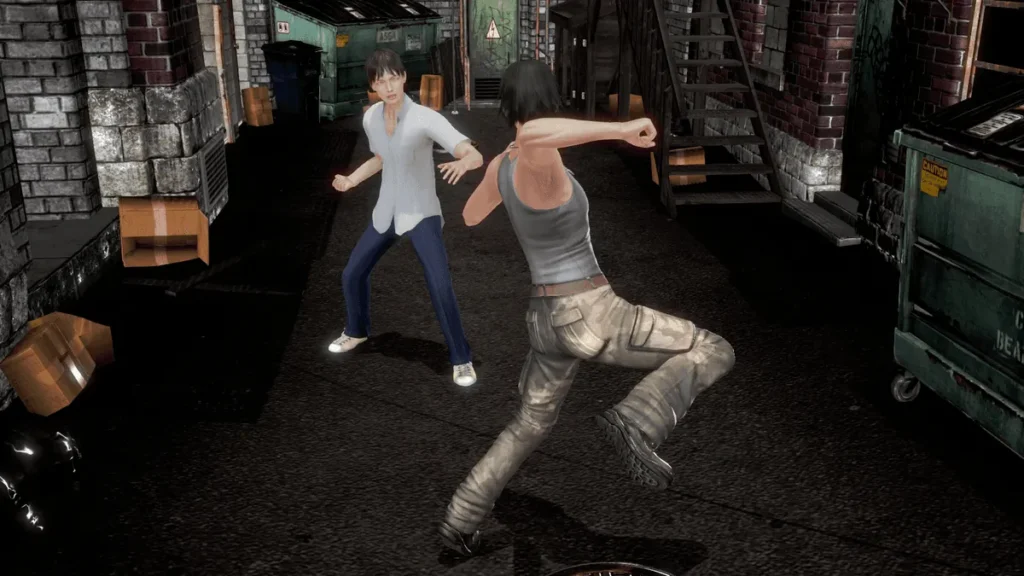
Once in a Lifetime review
Explore the interactive visual novel with branching storylines, character relationships, and decision-based consequences
Once in a Lifetime stands out as an interactive visual novel that combines immersive storytelling with player agency through meaningful decision-making. Set in the mysterious town of Mistbury, this game invites players to step into the shoes of a protagonist uncovering dark secrets while navigating complex relationships and high-stakes adventures. With over 6,500 renders and 160 animations, the game delivers extensive content that rewards exploration and careful decision-making. Whether you’re interested in understanding how the game’s consequence system works or discovering what makes this interactive experience unique, this guide covers everything you need to know about Once in a Lifetime’s core mechanics and gameplay features.
Understanding Once in a Lifetime: Game Overview and Core Mechanics
Picture this: you’re a broke law student, your life is a mess of textbooks and ramen noodles, and suddenly you’re whisked away to the seemingly quaint town of Mistbury to live with your estranged, eccentric mother. Sounds like the start of a quirky slice-of-life story, right? 😊 Think again. Once in a Lifetime masterfully pulls the rug out from under you, transforming a familiar premise into a gripping, conspiracy-laden interactive visual novel where every choice you make matters. This isn’t just about reading a story; it’s about living it, steering it, and dealing with the breathtaking—and sometimes terrifying—consequences hours later.
I remember my first playthrough. I made a flippant, sarcastic comment to a character in Chapter 2, thinking it was just a bit of fun dialogue. Fast forward three hours of gameplay, and that same character cold-shouldered me during a crucial plot moment, locking me out of a whole story branch. I was stunned. That was my “aha!” moment, where I truly understood the genius and depth of the Once in a Lifetime game mechanics. It’s a game that demands your attention and rewards your emotional investment with a narrative that feels uniquely yours.
What Makes Once in a Lifetime a Unique Interactive Experience? 🎭
At its heart, Once in a Lifetime is an interactive visual novel, but to label it just that feels like calling the ocean a puddle. It’s an immersive narrative engine powered by stunning, realistic 3D graphics that bring the town of Mistbury and its peculiar inhabitants to vivid life. With over 6,500 renders and 160+ animations, the game doesn’t just tell you a story—it shows you, pulling you into its world with cinematic flair. You don’t just observe the protagonist’s journey; you become the protagonist, navigating a life suddenly filled with supernatural secrets, complex relationships, and moral dilemmas.
The core loop is deceptively simple: read, decide, and watch the story unfold. But the magic lies in the sheer scale and interconnectivity. You can easily spend 15-20 hours on a single playthrough, and that’s just scratching the surface. The game’s branching narrative paths are not just minor detours; they are fundamentally different story experiences. Will you uncover the dark conspiracy at the town’s heart? Will you focus on building romantic relationships? Or will you find yourself balancing on a knife’s edge, trying to do it all while keeping your secrets safe? This incredible replayability is a cornerstone of the Once in a Lifetime game mechanics, encouraging you to go back and ask, “What if I chose differently?”
And let’s talk about the business model, because it’s as player-friendly as it gets. The entire, massive game is free-to-play. You can experience the whole story from start to finish without spending a cent. The developers operate on an optional donation model, a testament to their confidence in the product and their commitment to the community. It removes all barrier to entry and lets you fall in love with the game on its own merits.
How Does the Decision-Based Consequence System Work? ⚖️
This is where Once in a Lifetime separates itself from the pack. Many games pay lip service to “your choices matter,” but here, it’s the foundational law of the universe. The interactive visual novel decision system is a complex web of cause and effect, where decisions can have immediate, short-term, or long-delayed repercussions.
The system is brilliantly unforgiving and realistic. A choice isn’t just a binary “good vs. evil” button. It’s a nuanced expression of your character’s personality: are you kind, sarcastic, aggressive, or flirtatious? The game tracks these patterns. NPCs remember how you treated them, and the plot adapts. A seemingly minor decision in Act 1—like whether to investigate a strange noise or go straight to bed—can determine which clues you find, which characters trust you later, and even who is alive to participate in Act 3.
The true masterstroke is the delayed consequence. The game doesn’t always give you immediate feedback. You might choose to share a secret with one friend over another and see nothing change for several in-game days. Then, during a tense group confrontation, that secret becomes the pivotal piece of information that shifts alliances and opens or closes entire avenues of the story. This Once in a Lifetime consequence system creates a constant, thrilling sense of anticipation and ownership. You’re not just picking dialogue; you’re architecting a narrative chain reaction.
To give you a practical sense of how this plays out, here’s a comparison of how different decisions can ripple through your playthrough:
| Your Decision (Early Game) | Immediate Reaction | Long-Term Consequence & Impact |
|---|---|---|
| Help a character with their problem. | They thank you warmly. | They become a loyal ally, providing crucial help or information during the late-game conspiracy crisis. Unlocks their personal story branch. |
| Brush off a character’s request as unimportant. | They seem disappointed. | They distance themselves. Later, when you need their specialized skills, they refuse to help, forcing you to find a more difficult, dangerous alternative path to progress. |
| Flirt with multiple characters simultaneously. | They each respond positively in the moment. | If discovered, it can cause a dramatic confrontation, permanently lowering affection with all involved and potentially locking you out of their romantic conclusions. The Once in a Lifetime story choices impact here is severe. |
| Investigate a mysterious location instead of attending a social event. | You find a cryptic clue but miss party interactions. | The clue becomes key to understanding a major plot twist hours later. However, missing the party means you didn’t build affection with characters there, altering available dialogue and support options in subsequent chapters. |
🧠 Pro Tip: Don’t savescum! The most authentic and rewarding way to experience Once in a Lifetime is to live with your choices. Treat your first playthrough as your “true” story, flaws and all. You can always replay for a different outcome, but the tension of not knowing the consequence is half the fun.
This intricate design means there’s no single “right” way to play. You are writing your own version of the story with every click, and the Once in a Lifetime consequence system is the invisible author ensuring every action has a meaningful reaction.
Exploring Mistbury: Setting, Story, and Character Development 🏡
Mistbury is more than a backdrop; it’s a character in its own right. The Mistbury town exploration gameplay is subtly woven into the narrative. While not an open-world sandbox, your movement through the town—visiting the school, the local bar, the mysterious forest, or your own home—frames the story’s progression. Each location is dripping with atmosphere and detail in its 3D renders, making exploration a visual treat and a narrative necessity. You’ll want to click on everything, not just to advance the plot, but to soak in the lore and uncover hidden secrets that flesh out the town’s dark underbelly.
The story begins with personal stakes: reconnecting with family, adjusting to a new life, dealing with quirky neighbors. But it swiftly spirals into something much larger. Strange occurrences, shadowy figures, and a pervasive sense that the town is hiding a terrifying secret drive the central conspiracy. The genius of the plot is how it intertwines the mundane with the supernatural. Building a relationship with the girl next door can be just as narratively urgent—and sometimes directly connected to—unraveling a centuries-old mystery. This blend keeps you emotionally grounded while the stakes escalate to world-shaking levels.
Central to this experience is the brilliant character affection points system. This isn’t a simple meter you fill with compliments. Every major character has hidden affection values that are influenced by hundreds of your decisions: your dialogue tone, your actions in their side stories, how you resolve conflicts, and even how you treat other people they care about.
How the Affection System Drives the Game:
* Invisible Guidance: The points are hidden, so you’re reacting naturally, not gaming a visible meter. This leads to more authentic role-playing.
* Pathway Lock/Key: High affection with a character unlocks their personal story scenes, deepens conversations, and leads to romantic or deeply platonic conclusions. Low or negative affection can make them hostile, uncooperative, and can completely lock you out of their narrative branch and any intimate scenes.
* Dynamic Interactions: Characters don’t exist in a vacuum. Your relationship with Person A can affect your starting affection with Person B. The system creates a living social web.
Building these relationships is the soul of the game. Whether you’re pursuing a romantic path with one of the several captivating love interests or forging strong friendships, the time investment pays off in richer dialogue, unique scenes, and alternative ways to solve problems. The character affection points system ensures that these relationships feel earned and consequential, making every heartfelt moment or painful breakup hit with real emotional weight.
FAQ: Navigating the Consequences
Q: I made a choice hours ago and just saw a bad consequence. Is it too late to fix it?
A: Generally, yes, and that’s by design! The Once in a Lifetime consequence system is built on permanence to raise the stakes. You’d need to load a much older save or start a new playthrough. This emphasizes the importance of thinking carefully in the moment.
Q: How do I know if I’m on a “good” path with a character?
A: You don’t, explicitly! The game doesn’t show numbers. Instead, pay close attention to their dialogue and reactions. Are they opening up to you? Sharing secrets? Seeking you out for help? These are all organic indicators that your character affection points system standing is positive.
Q: Are there any “point of no return” decisions I should watch for?
A: Absolutely. The game often signals major decisions with a pause or a distinctive visual cue. Romantic commitments, decisions to trust someone with critical information, and major moral choices during climactic events are typically permanent forks in the branching narrative paths. Save your game before big chapters!
Q: What’s the most common mistake new players make?
A: Trying to please everyone on a first playthrough. It’s almost impossible. The interactive visual novel decision system forces you to define your protagonist. Be kind to everyone, and you might come off as bland or indecisive. Be a sarcastic jerk to everyone, and you’ll find yourself alone and vulnerable. Pick a personality and lean into it for the most coherent story.
In conclusion, Once in a Lifetime is a masterclass in interactive storytelling. Its genius lies in the seamless fusion of its parts: the compelling mystery of Mistbury, the delicate and powerful character affection points system, and the breathtakingly deep Once in a Lifetime consequence system. It’s a game that trusts you with its narrative and then respects the choices you make, for better or worse. You’re not just playing a visual novel; you’re collaborating with the developers to write a personal epic that will stay with you long after the final render fades. So, move to Mistbury, make some questionable choices, and see what kind of lifetime you can create.
Once in a Lifetime delivers a compelling interactive experience that prioritizes player agency and meaningful consequences. The game’s intricate decision system, where choices ripple through the narrative hours after being made, creates genuine tension and encourages thoughtful gameplay. With its vast library of renders and animations, diverse character relationships, and branching storylines, the game offers substantial replay value for players seeking different outcomes. Whether you’re drawn to the mystery-driven plot, character relationship building, or the freedom to shape your own narrative path, Once in a Lifetime provides an engaging experience that rewards exploration and careful decision-making. Start your journey in Mistbury today and discover how your choices shape your unique story.