The Silver Lining
Play The Silver Lining
The Silver Lining Screenshots



The Silver Lining review
Explore the immersive 1940s narrative experience with branching storylines and mature themes
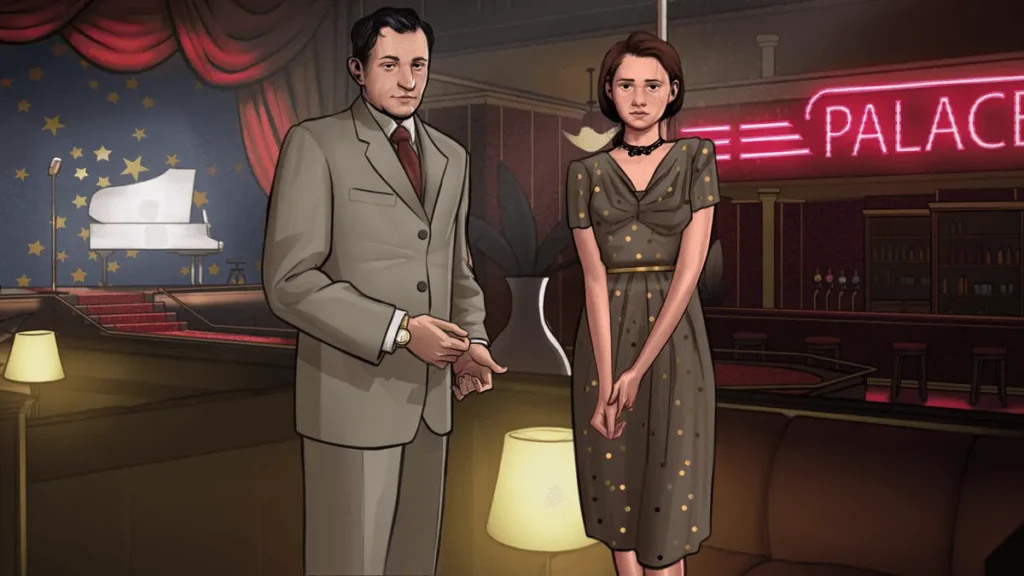
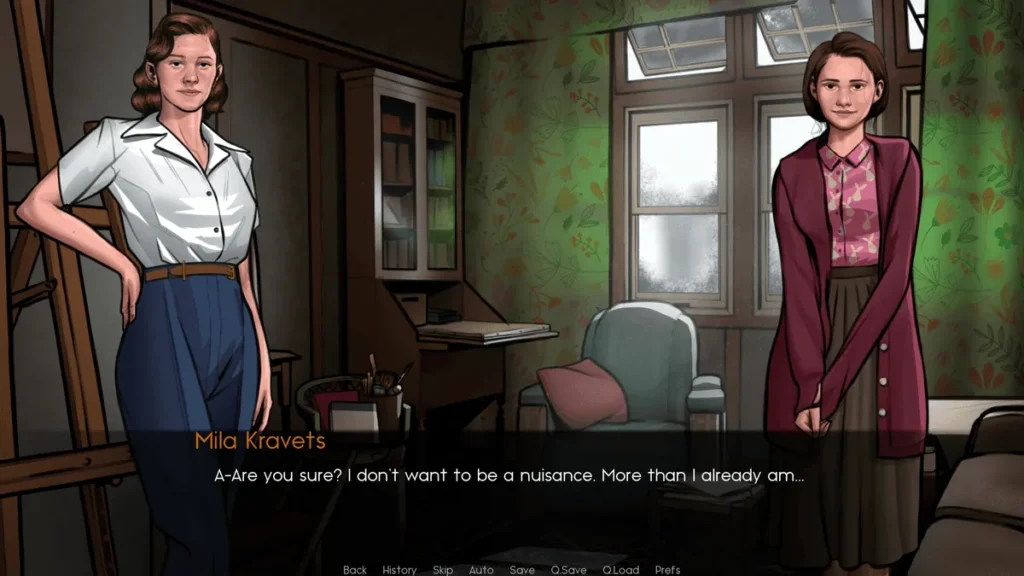
The Silver Lining is an indie visual novel developed by NamusWill that combines historical fiction with interactive storytelling. Set in a fictionalized 1940s America, this mature-rated game follows a young refugee girl navigating a complex web of intrigue while fleeing war. Built on the Ren’Py engine, the game offers multiple endings determined by player choices, creating a personalized narrative experience. With its atmospheric setting, character-driven plot, and branching dialogue system, The Silver Lining appeals to players seeking narrative-rich adult games with meaningful decision-making. Currently in active development at version 0.9, the game continues to expand its content across Windows, macOS, Linux, and Android platforms.
Game Overview: Story, Setting & Narrative Design
Picture this: you’re exhausted, carrying everything you own, and the world you knew is literally in flames behind you. 🏙️🔥 This isn’t just a history lesson; it’s the visceral starting point of The Silver Lining visual novel story. You step into the worn-out shoes of a young refugee, fleeing a devastating war to a fictionalized 1940s America that promises safety but delivers something far more complex: a struggle for survival, identity, and human connection.
This game doesn’t just use the era as a pretty backdrop. The 1940s refugee game narrative is the engine of the entire experience. Every choice you make is filtered through the lens of scarcity, trauma, and the desperate hope for a new beginning. It’s a masterclass in how setting directly fuels interactive drama, making your decisions about trust, resource-sharing, and love feel incredibly weighty. Let’s pull back the curtain on this deeply personal journey.
The 1940s Refugee Story & Historical Context
The genius of The Silver Lining’s setting is how it personalizes a global catastrophe. You’re not watching historical events unfold from a distance; you’re navigating their day-to-day fallout. The game crafts a fictional coastal city that feels authentically worn-down and tense, a melting pot where displaced people from all over collide. 🚢⚓
You arrive with nothing but memories and survival instincts. The narrative immediately forces you to confront practical horrors: where will you sleep? Who can you trust for a lead on work? Is that offer of help genuine, or a predatory trap? This 1940s refugee game narrative brilliantly weaves intrigue into the basic act of survival. That mysterious benefactor, Mr. Siegel, might be your ticket to stability, but rumors swirl about his connections. That charming mechanic, Tommy, offers friendship, but can you afford to be vulnerable?
The atmosphere is a character in itself—a blend of smoky jazz bars, damp boarding houses, and the constant, low hum of anxiety. > “Your first night in the city isn’t marked by wonder, but by the calculation of how many coins you have left for tomorrow’s bread.” This tone permeates everything. Your decisions are shaded by this reality. Do you spend your last few coins on medicine for a fellow refugee, or on a decent meal to keep your strength up? The historical context removes the luxury of purely moral choices, replacing them with gripping, pragmatic dilemmas.
This grounding makes the moments of beauty and connection shine all the brighter. A shared cup of bitter coffee, a stolen dance to a crackling radio broadcast—these become monumental victories. The The Silver Lining visual novel story understands that against a backdrop of loss, even small kindnesses are revolutionary.
Character Development & Relationship Mechanics
At its heart, The Silver Lining is a story about the people you meet in the rubble. The The Silver Lining game characters are not static NPCs; they are complex individuals with their own scars, agendas, and capacities for growth. Your interactions with them are the primary way you experience the world and shape your own destiny.
The game’s character relationships branching dialogue system is deceptively simple on the surface but profoundly deep in execution. Every conversation is a crossroad. Will you be open about your past with Juliette, fostering intimacy, or will you keep your guard up, protecting yourself but building a wall between you? Your dialogue choices directly influence your relationship meter with each character, but it’s subtler than a simple points system. It’s about consistency and emotional honesty.
For example, building trust with the wary Frank might require you to show competence and reliability over time, not just empty sympathy. With the idealistic Tommy, he might respond better to hopeful choices that look toward the future, rather than cynical remarks anchored in the past. The game remembers your key decisions, and characters will reference them chapters later, making the world feel alive and responsive.
Here’s a breakdown of the core relationships you’ll navigate:
| Character | Role in Your Story | Relationship Progression Mechanics |
|---|---|---|
| Tommy | The Hopeful Mechanic 🛠️: A local with big dreams and a generous heart. He represents the possibility of a new home and new beginnings. | Strengthened by choosing optimistic dialogue, showing interest in his projects, and offering help. Wavers if you are consistently cynical or dismissive of his dreams. |
| Mr. Siegel | The Enigmatic Benefactor 🏛️: A wealthy man with ambiguous motives who offers you crucial aid. He represents security, but at what cost? | Deepened through displays of loyalty, discretion, and shrewdness. Questions your trust if you pry too openly into his affairs or align closely with his rivals. |
| Frank | The World-Weary Veteran 🎖️: A fellow refugee with a military past and deep suspicions. He represents harsh reality and survivalist wisdom. | Earned through actions proving your resilience and practicality. He values honesty and blunt truth over polite niceties. Weakens if you seem naïve or overly trusting of strangers. |
| Juliette | The Compassionate Healer ⚕️: A nurse struggling to care for everyone with limited resources. She represents empathy and the fight to retain one’s humanity. | Nurtured through compassionate choices, helping others, and sharing vulnerable moments about your past. Strained by selfish, mercenary decisions or callous remarks about the suffering of others. |
This interactive storytelling choices matter philosophy means no two players will have identical relationships. Your unique dynamic with each character unlocks special scenes, dialogue branches, and ultimately, determines who will stand by you—or oppose you—when your final crises arrive. 🎭❤️
Multiple Endings System & Player Choice Impact
This is where all your decisions crystallize. The Silver Lining proudly features a multiple endings visual novel structure, but forget the idea of a simple “good” or “bad” outcome. Your journey concludes with endings that are sweet, bitter, or—most fittingly for the tone—bittersweet. These aren’t just slapped on at the last minute; they are the organic harvest of every seed you’ve planted since Chapter One.
The game’s visual novel player choice consequences are cumulative and interconnected. It’s not about picking the “right” option in a single, obvious finale scene. Instead, the ending you receive is a complex calculation based on:
* The strength and nature of your key relationships.
* Major moral and pragmatic choices throughout the story (e.g., who you side with in a conflict, what you sacrifice for safety).
* The core values your protagonist has consistently displayed (hope, cynicism, self-preservation, altruism).
For instance, a “Sweet” ending might require you to have nurtured a deep, trusting bond with a core character and made several sacrifices for the greater good, proving your heart remained open despite the hardship. A “Bitter” ending could stem from a path of ruthless pragmatism, where you secured your own survival but burned every bridge of trust along the way.
The most powerful endings are often the “Bittersweet” ones—endings that feel achingly real. 🥀 Maybe you find love but lose a friend. Perhaps you achieve safety, but at the cost of your innocence. You secure a future, but it’s not the one you originally dreamed of. This nuanced system validates the weight of every choice. That seemingly small decision to comfort a stranger in Episode 2 might be the reason they vouch for you in Episode 8, altering your entire path.
My advice? Don’t play to “win” an ending. Play authentically. If you feel protective and cynical, lean into it. If you feel hopeful and generous, follow that instinct. The profound magic of The Silver Lining is in seeing the narrative reshape itself around your emotional logic. The multiple endings visual novel format here is less about replaying for trophies and more about living with the poignant, authentic consequences of your digital life.
The narrative design of The Silver Lining is a testament to the power of interactive storytelling choices matter. By grounding you in a palpable historical struggle and populating it with flawed, compelling characters, it transforms every dialogue box into a moment of genuine agency. Your story becomes a unique reflection of how you balance hope against fear, love against survival, and self against community in a world trying to break you. This is the immersive promise of The Silver Lining visual novel story—not just to tell you a tale of the 1940s, but to let you live, love, and lose within it. ✨
The Silver Lining represents a compelling entry in the indie visual novel space, offering players a richly detailed 1940s narrative experience centered on meaningful choices and character relationships. With its Ren’Py engine foundation, multi-platform availability, and active development cycle, the game continues to evolve with regular updates adding new scenes and story branches. The combination of historical setting, mature themes, and branching storyline creates an engaging experience for players seeking narrative-driven interactive fiction. Whether you’re interested in the game’s character-driven storytelling, its atmospheric 1940s setting, or its multiple ending system, The Silver Lining delivers a personalized experience shaped by your decisions. As the game progresses toward its midpoint in future versions, players can expect continued expansion of content and deeper exploration of character arcs. For those seeking to support independent game development, the creator’s Patreon offers a direct way to contribute to ongoing development while gaining access to the latest updates and behind-the-scenes insights.