
To Be A King – Volume 1 Screenshots









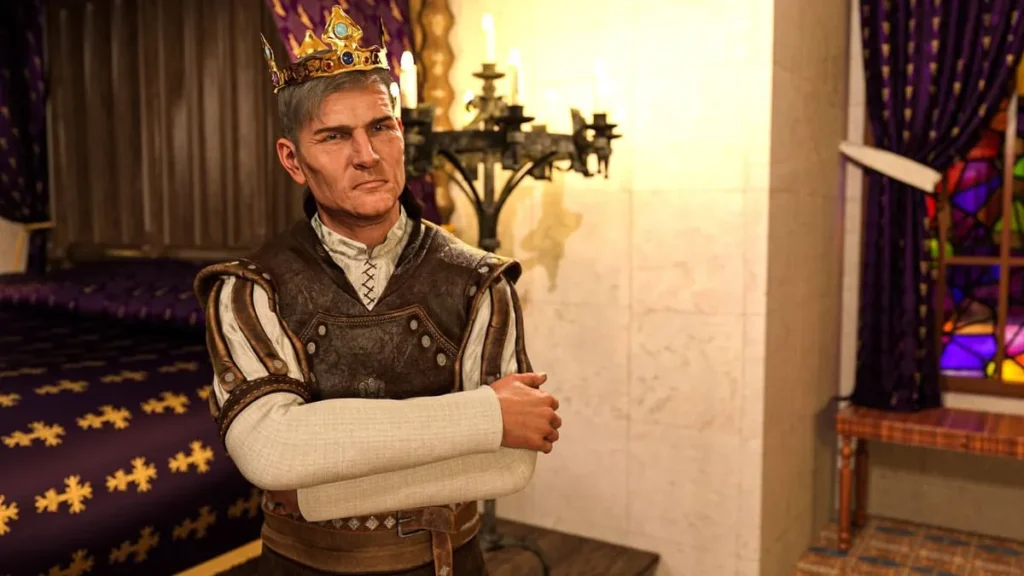
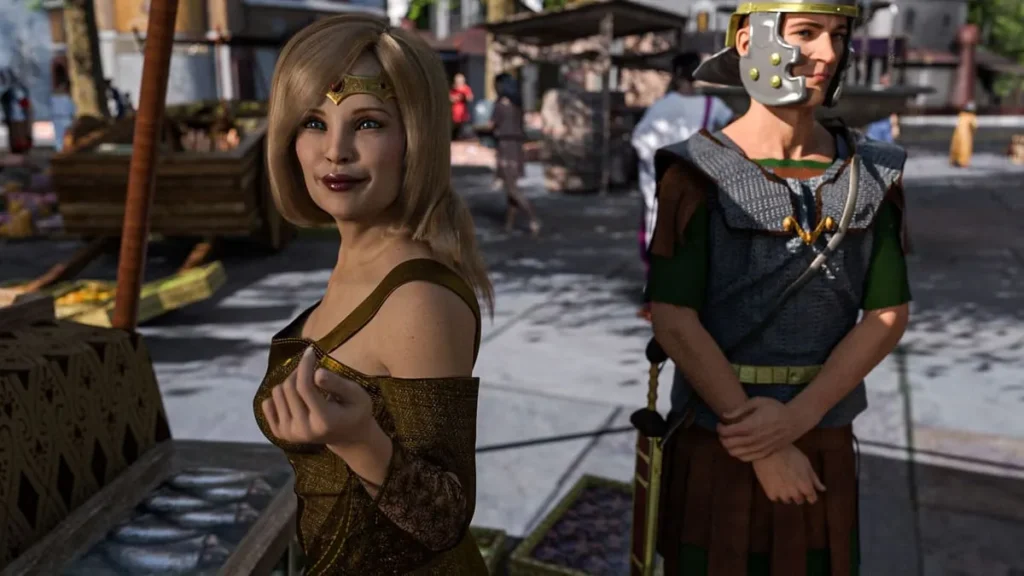

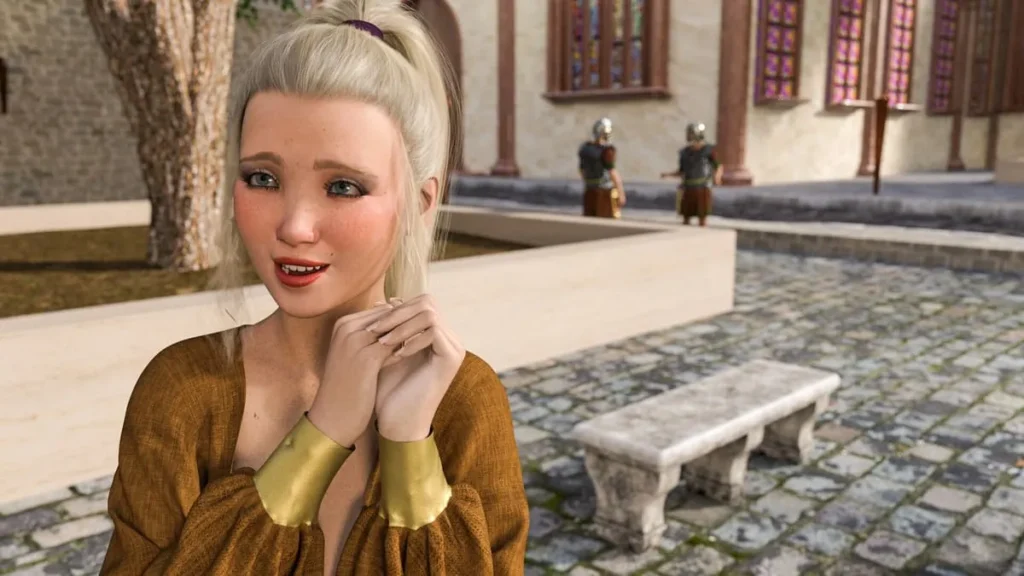


To Be A King – Volume 1 review
Master political intrigue, romance choices, and kingdom management in this interactive visual novel
To Be A King Volume 1 stands out as a sophisticated interactive visual novel that blends political strategy with mature storytelling. Developed by IT Roy, this game puts you in control of a kingdom facing internal turmoil and external threats. With over 5,800 renders, multiple branching storylines, and ten unique love interests, the game offers substantial replay value. Whether you’re drawn to complex decision-making, character-driven narratives, or relationship building, this visual novel delivers an immersive experience where your choices genuinely shape the kingdom’s fate and your character’s destiny.
Gameplay Mechanics and Core Features
Ever felt like the ruler of your own destiny in a game? 🎮 That exhilarating, slightly terrifying moment where you realize your choices actually matter? That’s the heart-pounding core of To Be A King – Volume 1. This isn’t just about reading a story; it’s about living one where every decision, from a whispered promise to a shouted command, carves a unique path through a kingdom’s fate. Welcome to a masterclass in choice-driven visual novel mechanics, where you are the author, strategist, and romantic lead all at once. Let’s dive into the systems that make this interactive fiction so compelling.
How Choice-Driven Storytelling Works in To Be A King Volume 1
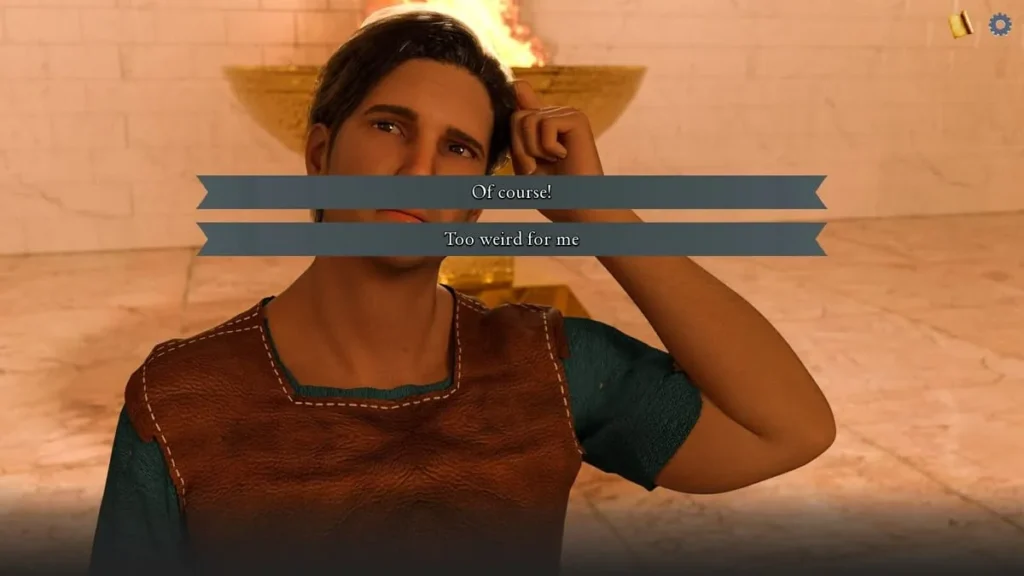
Forget linear tales. 🗺️ The To Be A King Volume 1 gameplay experience is built on a foundation of profound player agency. From the moment you step into the polished boots of a young noble, you’re presented with over 40 pivotal branching storyline decisions. These aren’t just cosmetic dialogue options; they are forks in a sprawling narrative road, each leading to different vistas of power, intrigue, and personal connection.
The game is powered by the versatile Ren’Py engine, which seamlessly delivers over 5,800 stunning renders and 46 mature scenes, but its true magic lies in the code you don’t see. Behind every beautiful illustration is a complex web of story flags and variables. Choosing to publicly support one noble family over another at a feast isn’t just a social gesture—it’s a data point that will influence who offers you aid, who plots against you, and even who feels emboldened to seek your favor chapters later.
My first playthrough was a lesson in humility. 😅 I thought I could play the charming, non-committal diplomat, agreeing with everyone to keep them happy. Big mistake. The game’s narrative logic is razor-sharp; characters remember your contradictions, and your council will point out your lack of a clear policy. I ended up with a coalition of mildly annoyed allies and a reputation for being slippery. It was a fantastic, organic failure that taught me more about To Be A King Volume 1 gameplay than any success could.
The key is understanding that branching storyline decisions often lock or unlock entire arcs. Early in the game, you’re asked to allocate your personal attention. Do you focus on shoring up your military defenses, delving into the shadowy economics of the realm, or building a network of informants? This isn’t a temporary choice. Investing in your spy network early might unlock secret paths to resolve a later rebellion without bloodshed, a solution completely unavailable if you poured all your resources into the army. The game doesn’t always signpost these locks, which makes discovery so rewarding.
Pro Tip: Save often and in multiple slots! 🗂️ The beauty of this choice-driven visual novel mechanics is experimentation. Don’t be afraid to rewind and see what happens if you insult the bishop or spare the bandit. Some of the most intriguing character moments come from “failed” paths.
Managing Multiple Relationship Paths and Romance Options
If ruling a kingdom is the game’s brain, then its heart is undoubtedly the deep and nuanced To Be A King character relationships. With ten fully realized love interests—from a fierce warrior knight and a cunning foreign diplomat to a mysterious scholar with secrets—the romantic landscape is as complex and dangerous as the political one. 💘 The romance paths and love interests are woven directly into the main narrative; getting closer to someone often means aligning with their faction, understanding their goals, and sometimes, making enemies of their rivals.
What sets this title apart is the breathtaking level of control it gives you over your personal life. The game proudly offers harem game options, allowing you to pursue multiple relationships simultaneously, but this is no simple checklist. Each character has their own personality, values, and tolerance. The stoic bodyguard might turn a blind eye to your dalliances, seeing them as political necessities, while the idealistic healer you’ve been courting could end the relationship in heartbreak and scandal if she discovers your infidelity. Managing a harem game options path is a delicate ballet of time, attention, and clever alibis.
Conversely, you can commit to a single, deep romance paths and love interests pursuit. This dedicates more story scenes to developing that one bond, leading to unique quests, intimate moments, and a partnership that can significantly aid your rule. Or, you can forego romance entirely, focusing solely on statecraft. The game respects and rewards all these approaches with tailored content and different ending vistas.
To help visualize your strategic approach to courtship, here’s a breakdown of the core romantic playstyles:
| Playstyle | Key Features | Story & Kingdom Impact |
|---|---|---|
| The Devoted Suitor (Single Path) | Deep narrative focus on one character, exclusive romantic scenes, potential for marriage alliance. | Strong, unwavering support from one faction. Can simplify political landscape but may create jealous rivals. Unlocks character-specific ending arcs. |
| The Charismatic Sovereign (Harem Path) | Manage multiple relationships, special “balancing act” dialogue options, risk of discovery events. | Broad but shallow network of personal alliances. Gains diverse information and favors, but one scandal can trigger a catastrophic chain reaction. Requires meticulous attention. |
| The Iron Monarch (No Romance) | Additional political or strategic options replace romance scenes, focus on reputation and authority. | Seen as unpredictable or purely pragmatic. Avoids romantic entanglements but may miss key intelligence gathered through personal bonds. Can lead to a lonelier, but absolute, rule. |
My personal favorite entanglement was with Lady Elara, the master of whispers. 👑 Pursuing her romance paths and love interests meant engaging in a secondary game of coded messages and secret rendezvous, which directly fed me information to crush a plot against my life. The relationship felt earned and intrinsically valuable to my survival, a perfect blend of personal desire and political savvy.
Understanding the Consequence System and Decision Impact
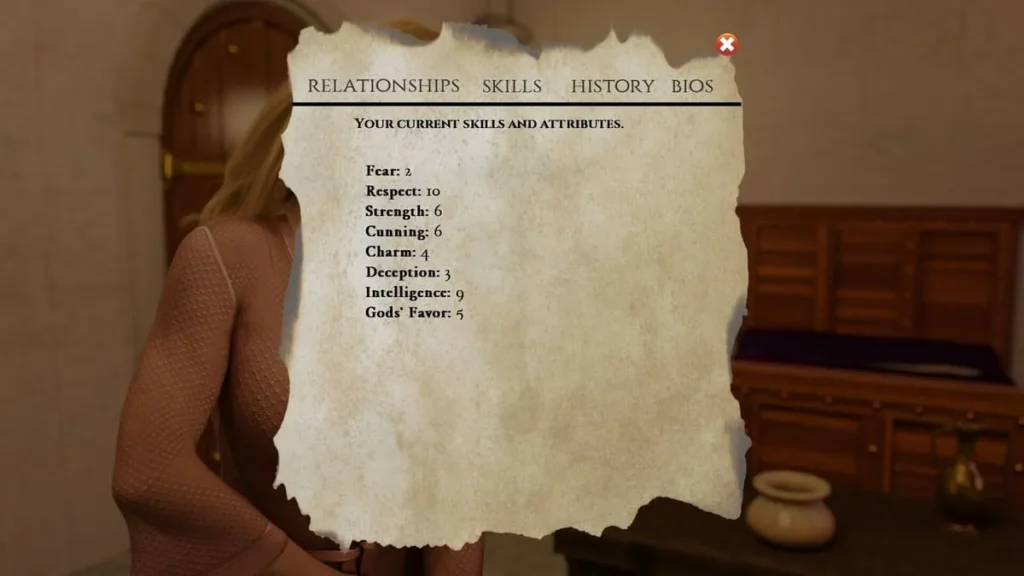
This is where To Be A King Volume 1 gameplay truly ascends. Every choice casts a long shadow. The game’s consequence system interactive fiction philosophy means there are no throwaway lines or inconsequential flatteries. The world is a web, and plucking one strand sends vibrations through the entire structure. This system tracks your reputation across multiple axes—Mercy vs. Ruthlessness, Honor vs. Cunning, Piety vs. Pragmatism—and characters react to the emerging profile of their ruler.
Let’s talk about the Lord Valerius dilemma, a perfect case study. 🎭 Early on, you preside over the trial of a popular general, Valerius, accused of treason. You have several branching storyline decisions:
* Execute him publicly as a traitor.
* Imprison him for life, showing mercy but removing a threat.
* Pardon and exile him, banking on his honor to never return.
* Investigate further, potentially uncovering a wider conspiracy.
I chose the public execution on my “Ruthless King” playthrough. The immediate effect was a sharp increase in Authority and fear from other nobles. However, the consequence system interactive fiction engine had already logged Valerius’s deep loyalty from his troops. Several chapters later, when a barbarian horde threatened my borders, my army’s morale was mysteriously low. I discovered that the unit once led by Valerius fought with half-hearted reluctance, still grieving their beloved commander. My early display of strength had created a latent weakness in my military, a direct result I had to then spend resources to fix.
Had I imprisoned him, I might have faced a prison break plotline. Pardoning him could have led to his return as a loyal ally in a future crisis or, if my reputation was dishonorable, as a vengeful pretender. This ripple effect is constant, affecting everything from treasury reports (angry merchants charge you more) to the private counsel your love interests give you.
This consequence system extends to the To Be A King character relationships as well. Missing a crucial meeting with a love interest because you chose to handle a state emergency doesn’t just mean a sad scene; it might lower their “Trust” variable, making them less likely to share a vital secret with you later, which could be the key to unlocking the best ending for their route.
The mature content, including the 46 lewd scenes, is also governed by this system. 🔥 These moments aren’t isolated rewards; they are the culmination of specific romance paths and love interests, often requiring a combination of correct story choices, high enough relationship stats, and sometimes, a specific reputation. They feel earned and are a natural narrative progression of the bond you’ve built, seamlessly blending with the game’s low-fantasy, Renaissance-inspired setting where rare magic exists but human ambition is the true supernatural force.
Mastering the To Be A King Volume 1 gameplay is about embracing this interconnectivity. It’s about seeing your kingdom as a living entity that breathes, reacts, and remembers. Your branching storyline decisions on politics, your management of romance paths and love interests, and the ever-present consequence system interactive fiction weave together to create a story that is unquestionably, uniquely yours. Whether you build a legacy of fear or love, a devoted court or a personal harem game options suite, every path is paved with the weight of your own impeccable, or regrettable, To Be A King character relationships and commands. Now go forth, Your Grace. Your kingdom—and your story—awaits.
To Be A King Volume 1 delivers a compelling blend of political strategy, character-driven storytelling, and meaningful player agency. The game’s strength lies in its intricate choice system where decisions about military leadership, political alliances, and romantic relationships create genuine consequences that shape both your character’s journey and the kingdom’s fate. With ten unique love interests, over 40 branching decisions, and a richly detailed fantasy setting, the game offers substantial replay value for players seeking narratives with depth and complexity. Whether you’re drawn to the political intrigue, the romance options, or the moral dilemmas presented throughout the story, To Be A King Volume 1 provides an immersive experience that respects player choice. If you enjoy interactive fiction that challenges your decision-making and explores the costs of power, this visual novel deserves a place in your collection.