Play After the Inferno
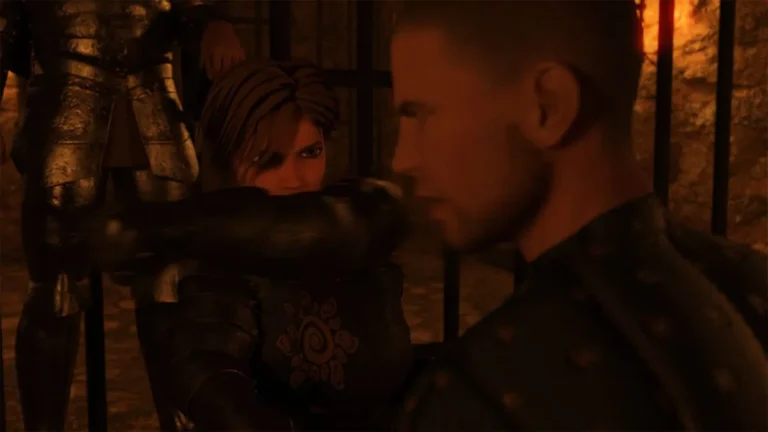
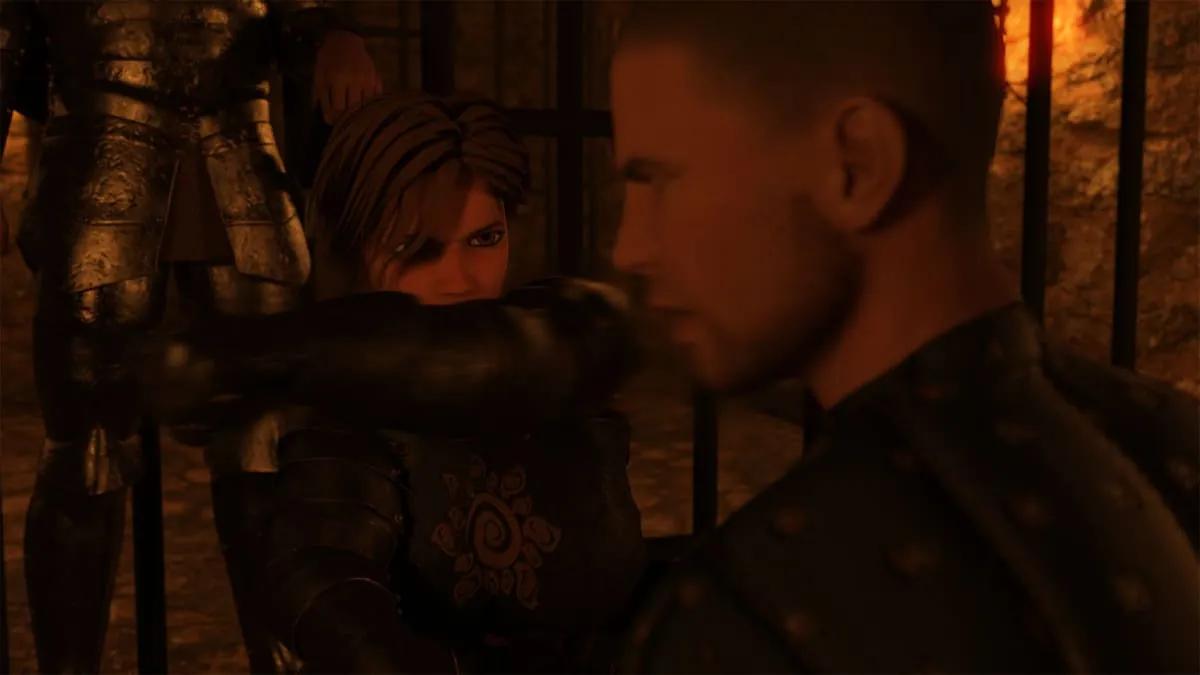
After the Inferno Screenshots

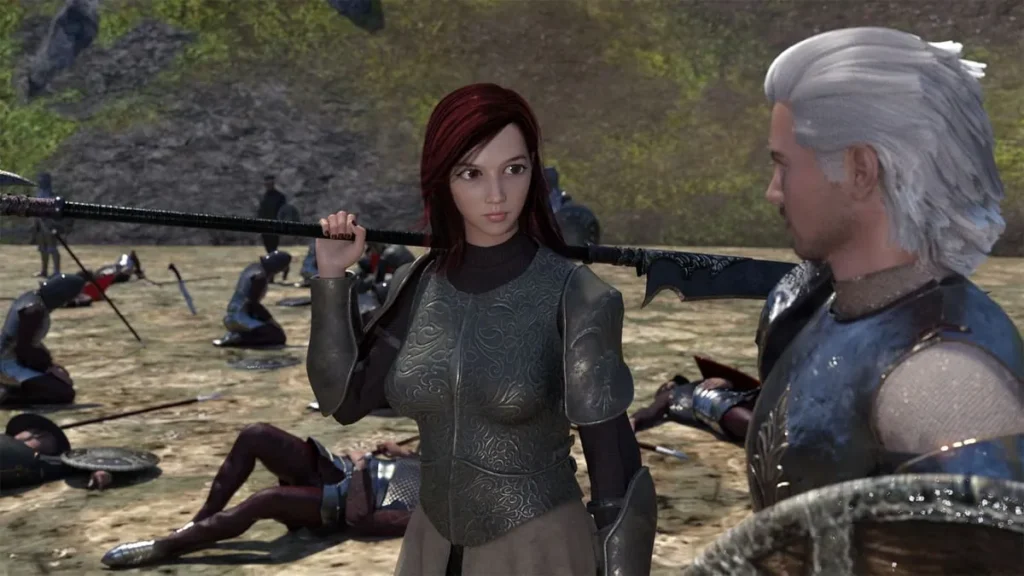
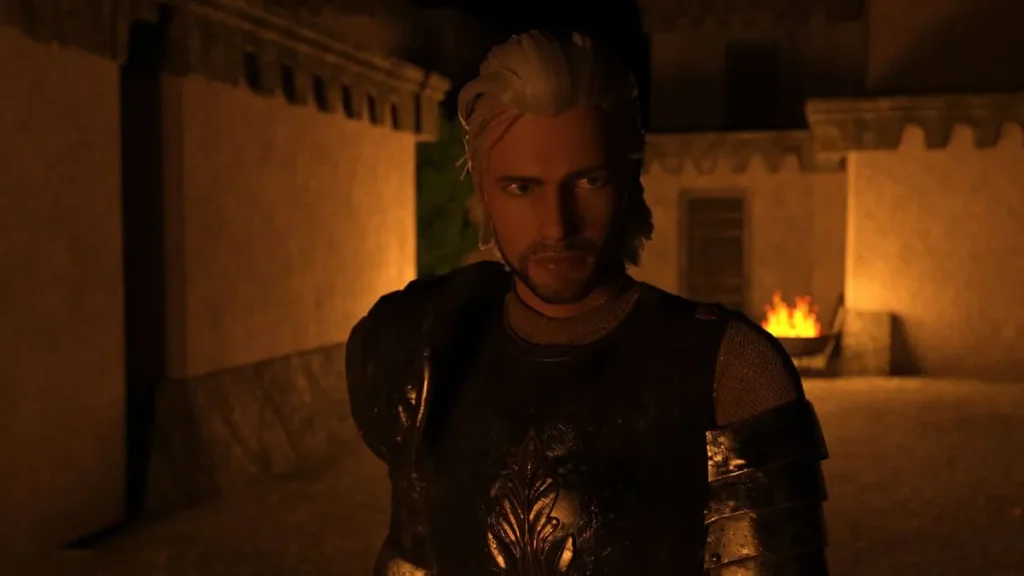

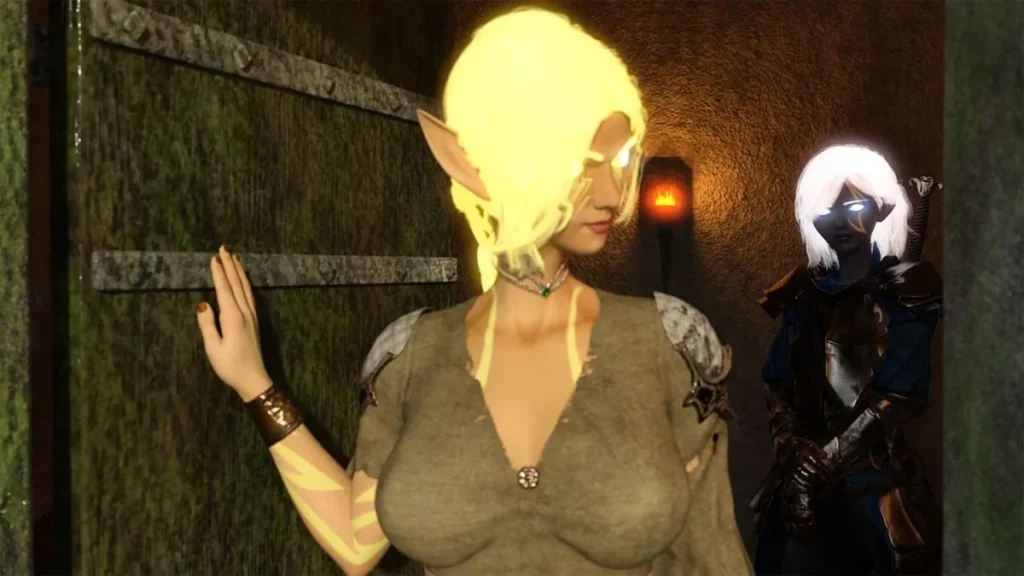
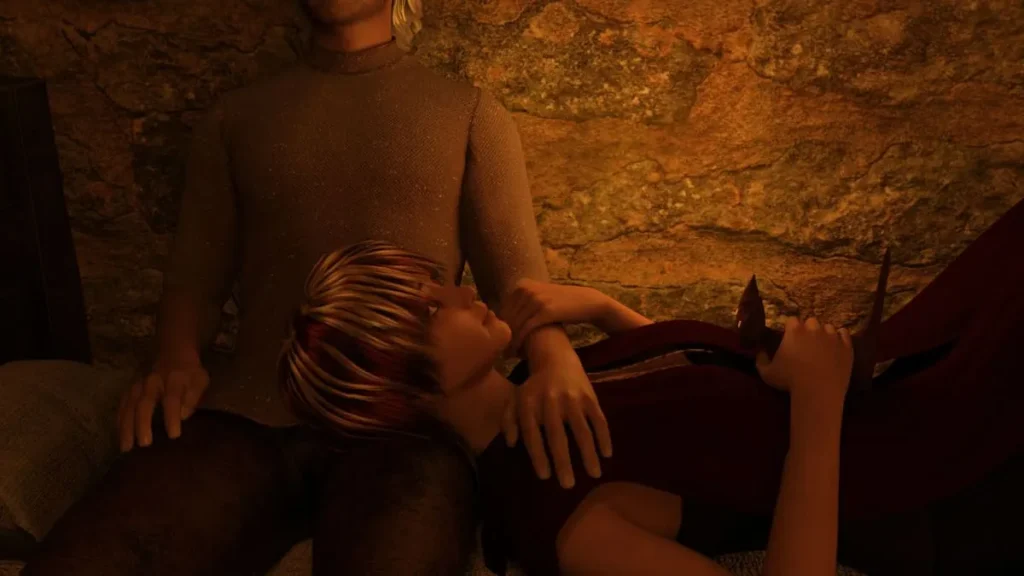

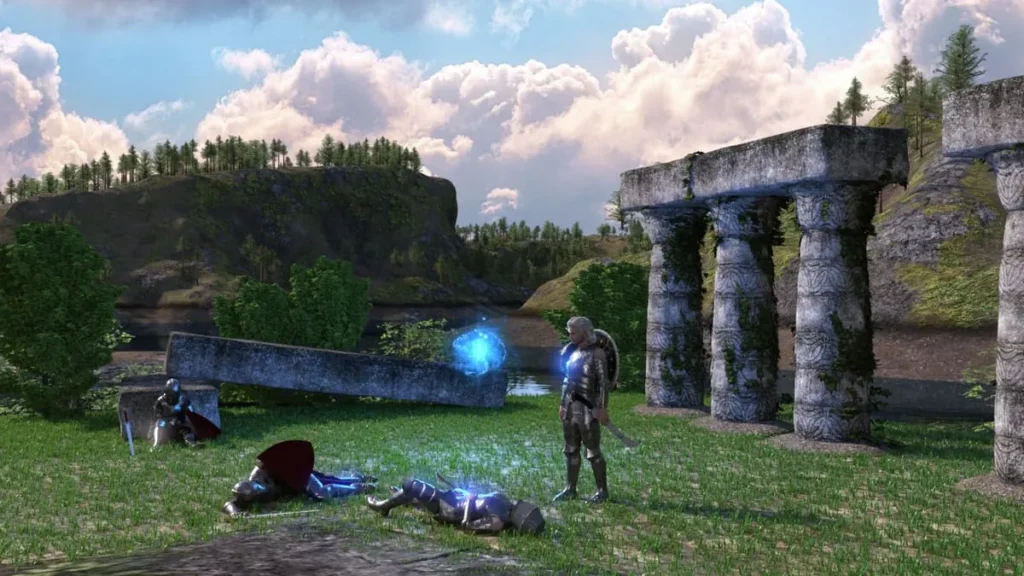
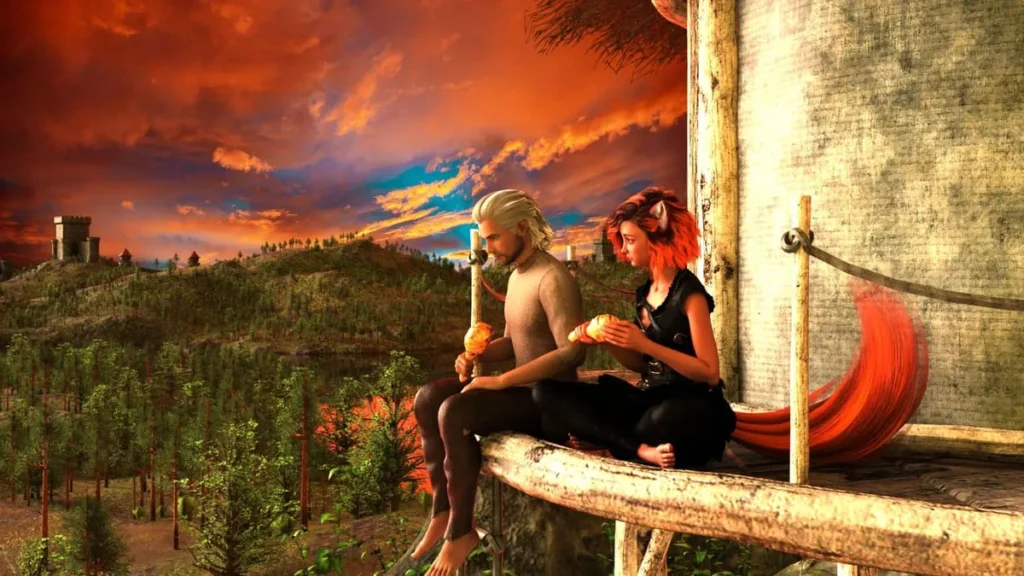
After the Inferno review
Dive into the spicy story, characters, and choices that make this game unforgettable
Imagine emerging from chaos into a world of passion and tough choices—that’s the thrill of After the Inferno. This captivating visual novel drops you into Devran’s shoes, a guy navigating post-disaster intrigue, deep relationships, and steamy encounters. With animated scenes that pack a punch and a story full of twists, it’s hooked me since my first playthrough. I remember staying up late, save-scumming choices to see every path. If you’re hunting for After the Inferno insights, from lore to romance routes, this guide uncovers it all. Let’s explore why this game stands out in the visual novel scene.
What Makes After the Inferno a Must-Play Visual Novel?
I still remember the night I stumbled upon After the Inferno. It was one of those bleary-eyed, “just one more game” browsing sessions, and the title alone made me pause. A world after the inferno? I was instantly hooked by the promise of a story not about the disaster itself, but about what comes next—the ashes, the rebuilding, the quiet desperation and newfound hope. That initial curiosity blossomed into a full-blown obsession. This isn’t just another visual novel; it’s a masterclass in world-building and player agency. So, let’s talk about what makes After the Inferno a must-play visual novel.
How Does the Story Unfold After the Chaos?
The genius of the After the Inferno story lies in its perspective. You don’t play as a god, a chosen hero, or a soldier on the front lines. You are Devran, an ordinary man trying to navigate an extraordinary situation. The world has been shattered by a catastrophic event known simply as “the Inferno,” and society is a fragile patchwork of survivors, new ideologies, and old scars. This post-inferno adventure game setting is less about flashy action and more about profound human moments.
Your journey as Devran is one of exploration—both of the physical landscape and the complex social one. You’ll visit struggling settlements, uncover hidden sanctuaries, and piece together the lore of what happened and why. This is where the game’s Codex becomes your best friend. It’s not just a dry encyclopedia; it’s a living document that fills in as you discover new locations, meet different factions, and learn about the emerging (and sometimes conflicting) religions. Reading an entry after meeting a character from a particular group adds so much depth to your next conversation.
The narrative depth is staggering. This is a visual novel after inferno with true branching paths. Your decisions, from the seemingly casual to the morally weighty, gently steer the plot in different directions. I’ll never forget the twist involving a character I thought I could trust implicitly—a revelation that completely rewired my understanding of a major faction and left me staring at the screen, save file forgotten, for a good five minutes. It wasn’t a cheap shock; it was a payoff meticulously built by my earlier choices.
To give you a clear picture, here are the top 5 features that make the narrative so compelling:
- Branching Narrative Paths: Your choices create a unique story. Helping one faction might close doors with another, leading to entirely different story arcs and endings.
- Rich Codex Lore: The in-game Codex automatically updates with information on cultures, religions, and locations, making the world feel deep and lived-in.
- Flexible Save System: With 100 save slots, you’re encouraged to experiment. See what happens if you say the other thing—you can always jump back.
- Multiple Endings: Your journey concludes in a way that feels directly tied to the relationships you’ve cultivated and the alliances you’ve forged.
- Integral Story Beats: Major plot points feel earned and impactful, often changing the game’s landscape and available options.
When people ask me “what is After the Inferno?” at its heart, I say it’s an experience. It’s the feeling of shaping a broken world through the eyes of someone just trying to find his place in it.
Why Are the Animated Scenes Game-Changers?
Let’s address the elephant in the room. Yes, After the Inferno includes animated intimate scenes. But to label it just by that is to miss the forest for the trees. In many games, such content feels tacked-on or gratuitous. Here, it’s woven into the fabric of the character relationships. 😌
These scenes are optional and skippable with a single click, and crucially, skipping them does not block your progress or punish you within the story. This design choice is a game-changer. It respects the player’s preference, allowing you to engage with the narrative on your own terms. But if you do choose to view them, they serve a powerful purpose: deepening bonds.
Think of them as narrative payoffs. The connection you build with a character through hours of conversation, shared struggles, and meaningful choices finds a moment of culmination. The animation quality lends a sense of reality and weight to these moments that still images often can’t match. It makes the relationships feel more complete and consequential. For players seeking that level of immersion in their After the Inferno gameplay, it adds a significant layer of emotional resonance. You’re not just reading about a connection; you’re witnessing its most vulnerable moments, which makes every interaction with that character afterwards feel more meaningful.
What Choices Shape Your Journey?
The soul of any great visual novel is its choice mechanics, and After the Inferno absolutely nails it. This is not a game of “good vs. evil” or obvious binary picks. The choices feel nuanced, often asking you to weigh practical survival against moral principles, or personal desire against the greater good. 🤔
A core philosophy that makes the After the Inferno visual novel so refreshing is its lack of punishment for curiosity. You are free to explore romantic or close relationships with multiple characters. Pursuing a connection with one person doesn’t automatically ruin your chances with another—at least, not in a simplistic way. The drama arises naturally from the characters’ own personalities and the situation, not from an arbitrary game mechanic. This creates a much more realistic and engaging social dynamic.
A huge part of the fun is experimentation, and the game actively supports this. My number one piece of practical advice? Use those save slots! Create a new save at the start of each significant chapter or conversation. This lets you freely explore every dialogue branch and see where different choices lead without losing your “main” path. It completely transforms the After the Inferno gameplay, turning a linear story into a playground of narrative possibilities.
| Feature | How It Enhances Gameplay |
|---|---|
| 100 Save Slots | Enables risk-free exploration of all story branches and choices. |
| Non-Punitive Romance | Allows building multiple relationships naturally, with conflict arising from story, not game rules. |
| The Gallery & Codex | Provides tools for review and deeper understanding, invaluable for replays. |
| Male Point of View (POV) | Offers a specific, grounded immersion for players, making Devran’s struggles feel personal. |
Speaking of the POV, I hold a personal opinion that the decision to use a fixed male perspective for Devran adds to the immersion for a lot of players. You are stepping into his specific shoes, with his history and his place in this world, which grounds the story powerfully. It makes his relationships and personal growth the unwavering focus.
When your journey concludes—and you will inevitably be drawn back for “just one more” ending—you’ll find the longevity of After the Inferno goes far beyond its visuals. It’s in the lore you’ve yet to uncover, the different combination of choices you can make, and the alternative endings that offer new insight into the world and its inhabitants. The After the Inferno story stays with you, prompting that wonderful question: “What if I had chosen differently?”
Pro Tip: On your first playthrough, resist the urge to look up a guide. Let your instincts guide Devran. Save often in different slots. Then, on your second run, use the Codex and Gallery to methodically piece together the parts of the world you missed. You’ll be amazed by how much the story expands.
FAQ
Can you skip the animated scenes in After the Inferno?
Absolutely. Every animated scene can be skipped instantly with a clear prompt, and doing so will not hinder your story progress or block relationship development. The game is designed for you to enjoy the narrative at your own comfort level.
How many endings does After the Inferno have?
The game features multiple endings that are determined by your major story choices and key relationships. The exact number is part of the discovery, but suffice to say there is significant incentive to replay and see how different alliances and decisions reshape the conclusion of Devran’s journey.
What are the best first choices for a new player?
The best approach is to role-play authentically. Think about how you, or someone you imagine Devran to be, would react in this broken world. Use multiple save slots liberally so you can explore consequences without fear. Don’t try to “game” the system on your first run; the emotional impact is greater when choices feel genuine.
After the Inferno isn’t just another visual novel—it’s a spicy journey of choices, lore, and connections that kept me replaying for weeks. From Devran’s tough decisions to those optional animated moments that deepen the bonds, every path reveals more depth. My top tip? Experiment freely with saves to unlock the full gallery and codex. If you love stories with heart and heat, grab it now and dive in. What’s your favorite route? Share in the comments—I’d love to hear your takes and swap strategies.