Play Deliverance
Deliverance Screenshots





















Deliverance review
Explore the sandbox mechanics, romance systems, and choice-driven narrative of this indie visual novel
Deliverance stands out as a unique indie visual novel that combines sandbox mechanics with choice-driven storytelling. This game blends first-person perspective gameplay with dating simulation elements, offering players the freedom to shape their character’s moral alignment and relationships. Whether you’re interested in understanding the core mechanics, exploring character romance options, or discovering how your choices impact the narrative, this guide covers everything you need to know about experiencing Deliverance. The game features a 45-minute introduction that establishes the gameplay style, introduces the main cast, and teaches essential movement and interaction systems.
Understanding Deliverance Game Mechanics and Core Systems
Ever found yourself playing a visual novel and thinking, “This story is amazing, but I wish I could just… get up and explore that creepy mansion over there”? Or maybe you’ve dived into an open-world RPG only to feel like your choices are just ticking boxes on a pre-written script? If that sounds familiar, then buckle up, because Deliverance is about to redefine your expectations. This isn’t just another dating sim or a linear narrative—it’s a fascinating experiment where the freedom of a sandbox crashes into the intimate, story-driven heart of a visual novel. Let’s peel back the layers and understand what makes its game mechanics so compelling.
What Makes Deliverance Unique: Sandbox Gameplay and Visual Novel Elements 🎮📖
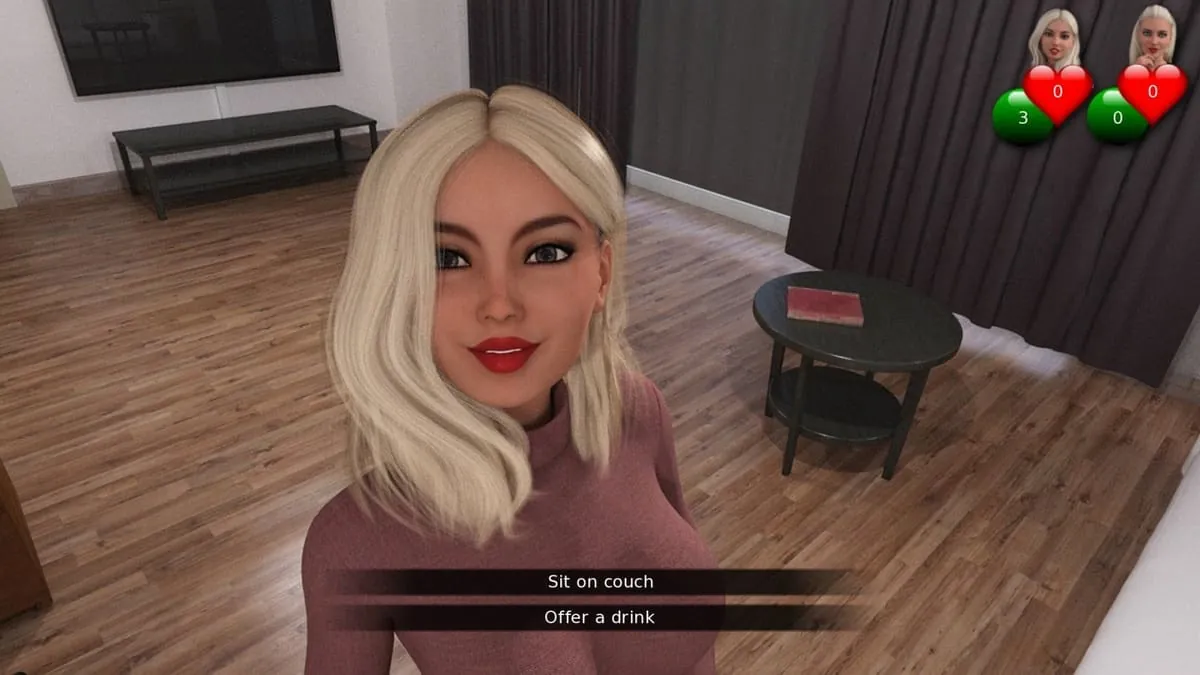
At its core, Deliverance is a masterclass in hybrid design. It takes the first-person perspective common in many visual novels and supercharges it with genuine sandbox visual novel gameplay. What does that mean in practice? Imagine the game world not as a series of static backgrounds you click through, but as a living, explorable space. You have free movement. You can wander the streets of its hauntingly atmospheric city, enter buildings, talk to anyone you see, and discover secrets entirely off the beaten path. This sandbox visual novel gameplay creates an unparalleled sense of immersion—you’re not watching a protagonist, you are the protagonist, making every discovery feel personal and earned.
But don’t mistake this for a mindless roam-fest. The visual novel DNA is strong. Key story moments, character interactions, and major plot beats are presented with the focused, narrative punch the genre is known for. The magic is in the blend: the sandbox elements let you breathe and live in the world at your own pace, while the visual novel sequences drive the deep, choice-based storytelling mechanics forward. It’s a rhythm of exploration and intense narrative consequence that few games attempt.
This fusion is powered by the versatile Ren’Py engine, which proves it can handle much more than static images and dialogue boxes. It manages your inventory, tracks your location in a 3D space, and runs the complex RPG progression systems ticking away beneath the surface. To give you a quick snapshot of what this hybrid experience offers, here’s a checklist of its key features:
- First-Person POV Immersion: See the world directly through your character’s eyes, making every interaction and discovery feel immediate.
- True Sandbox Exploration: Roam a persistent game world, find hidden items, and trigger events on your own schedule.
- Dating Sim & Romance Systems: Build deep relationships with a diverse cast of characters through conversation, gifts, and pivotal choices.
- Squad-Based RPG Elements: Recruit companions, manage their equipment, and rely on them in tense situational challenges.
- Management Systems: Balance your resources, time, and relationships, as the world doesn’t pause just because you’re focusing on a story thread.
And let’s not forget the moments of pure, unexpected fun—the game is peppered with flash game-inspired mini-games that break up the pacing. Whether it’s a quick reaction test or a simple puzzle, these additions highlight the game’s indie spirit and commitment to varied Deliverance game mechanics.
Character Customization and Protagonist Development 🎭
Who are you in the world of Deliverance? This is the first major choice-based storytelling mechanic you’ll encounter, and it goes far deeper than picking a name and a hair color. The game’s character customization options are your first true act of authorship, directly shaping your experience in visible and subtle ways.
You choose your character’s gender, which can influence how certain characters initially perceive you and which romantic paths are available. More notably, you make specific anatomical choices. This isn’t just cosmetic; it actively alters scene variations and dialogue. The game acknowledges your physical presence in the world, making the protagonist feel like a true extension of your decisions rather than a generic stand-in. These initial character customization options set the stage for a playthrough that feels uniquely yours.
But customization doesn’t end at creation. Protagonist development is an ongoing process governed by the Deliverance stat system. You’ll improve core attributes like Strength, Intelligence, and Charisma. Need to intimidate a thug blocking your way? You’ll want high Strength. Trying to sweet-talk a key piece of information out of a guarded merchant? Charisma is your friend. These stats aren’t just numbers on a screen; they gatekeep dialogue options, open up new paths for solving quests, and determine your effectiveness in the game’s various mini-game challenges.
I remember one playthrough where I maxed out Intelligence early, thinking I’d be a smooth-talker. It worked wonders for deciphering ancient texts and outsmarting rivals in conversations. But when a situation demanded brute force to save a companion, I was utterly helpless. That failure stung, but it was my failure—a direct result of my development choices. This is the power of its RPG progression systems. You’re not just customizing a look; you’re engineering a skillset, and the world reacts accordingly.
Progression Systems: Morality, Depravity, and Insanity Tracking ⚖️😈🌀
If stats define your capabilities, then Deliverance’s trio of tracking systems defines your soul. This is where the game’s morality system game design shines and becomes deeply intertwined with every other mechanic. You aren’t simply labeled “good” or “evil.” Instead, your actions feed into three parallel meters: Morality (Hero/Villain points), Depravity, and Insanity. Think of them as three separate dimensions of your character’s psyche, often in conflict with one another.
The Morality track is your classic ethical compass. Performing selfless acts, helping those in need, and making honorable choices will earn you Hero points. Conversely, acts of cruelty, selfishness, and manipulation will push you toward the Villain end. This system alone creates robust choice-based storytelling mechanics, as major narrative branches will unlock based on your alignment.
Then there’s Depravity. This isn’t just about being “evil” in a Saturday morning cartoon way. It’s a measure of your character’s surrender to base desires, hedonism, and a rejection of societal norms. Some choices that might earn Villain points also raise Depravity, but not always. You might make a morally gray choice that doesn’t swing your morality needle much but sends your Depravity soaring. High Depravity unlocks entirely different interaction options, often more direct and physically oriented, and can make certain characters gravitate toward or be repelled by you.
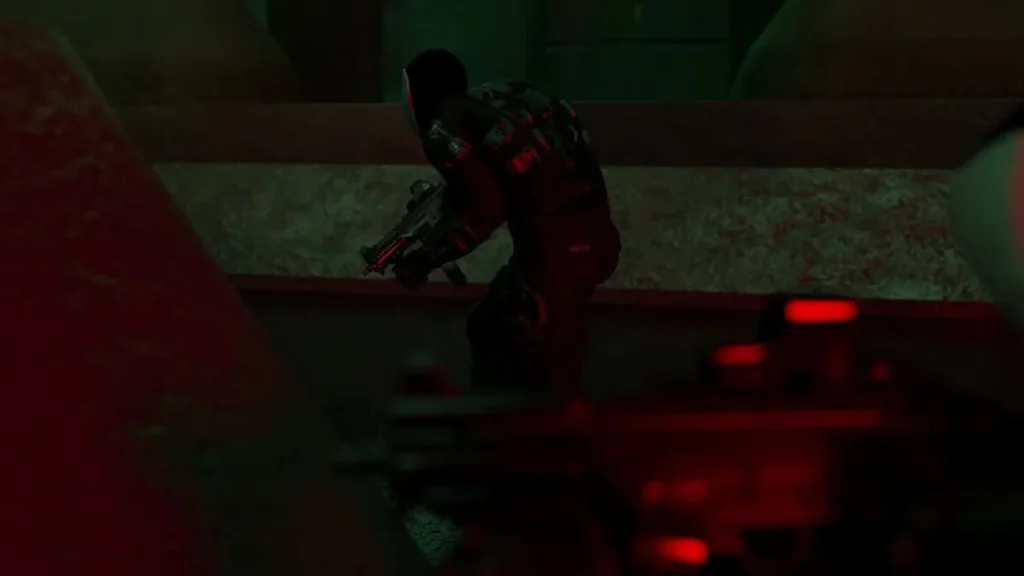
Finally, the Insanity mechanic is a masterstroke. The world of Deliverance is a tense, often frightening place. Witnessing traumatic events, using certain supernatural artifacts, or simply failing to take care of your mental well-being can cause your Insanity to rise. As it increases, the world itself begins to change. You might see fleeting hallucinations, hear whispers, or experience reality glitches. In extreme cases, high Insanity can unlock dialogue options that seem irrational to others but make perfect sense to your fractured mind, or it might cause you to perceive—and thus interact with—hidden aspects of the world.
Pro Tip: These systems talk to each other constantly. Choosing a “Heroic” option to calmly talk down a villain might satisfy your Morality but could spike your Insanity if the situation is horrifying. A “Depraved” action might offer a quick, brutal solution that keeps your Insanity low but tanks your Morality. There’s no “right” path, only your path.
To see how these systems directly compare and conflict, here’s a breakdown:
| System | What It Tracks | Gameplay & Story Effects |
|---|---|---|
| Morality (Hero/Villain) | Ethical, selfless vs. selfish & cruel actions. | Unlocks major story branches; influences how “lawful” characters react to you; opens specific virtuous or ruthless quest solutions. |
| Depravity | Indulgence in base desires, hedonism, transgression. | Unlocks new physical/seductive interaction options; alters relationship dynamics with certain characters; provides alternative, often riskier, paths through obstacles. |
| Insanity | Exposure to trauma and the supernatural; mental stability. | Causes visual/audio hallucinations; reveals hidden world elements; unlocks “mad” dialogue choices; can lead to unique narrative endings focused on delusion or enlightenment. |
The true genius of these Deliverance game mechanics is their interdependence. You can’t game the system by focusing on just one. A pure “Hero” run requires resisting Depraved shortcuts and managing the mental toll of your altruism. A “Villain” might be coldly sane or dangerously unhinged. This creates a staggering number of potential character archetypes—are you a Depraved Hero slowly losing your mind? A Sane Villain methodically climbing to power? The RPG progression systems here are about role-playing in the truest sense.
Every conversation, every quest resolution, every idle exploration decision feeds into this complex web. This is the heart of Deliverance’s innovation. Its sandbox visual novel gameplay gives you the freedom to explore, its character customization options let you define who you are, and its deep, interlocking progression systems ensure that every choice, from the grand to the granular, has a lasting, meaningful weight on the story and your place within it. It’s a game that doesn’t just tell you a story—it makes you accountable for every single page.
Deliverance offers a rich and multifaceted gaming experience that seamlessly blends visual novel storytelling with sandbox exploration and complex gameplay systems. From the foundational mechanics of morality tracking and character customization to the intricate romance systems and squad-based combat, every element works together to create meaningful player agency. The game’s emphasis on choice-driven narrative ensures that your decisions—whether moral, romantic, or strategic—shape your unique journey through the story. With five different official endings, multiple character paths, and interconnected systems that reward exploration and relationship-building, Deliverance provides substantial replay value for players seeking a personalized adventure. Whether you’re drawn to the dating simulation aspects, the economic tycoon features, or the tactical combat encounters, understanding these core systems will enhance your ability to navigate the game’s world and achieve your desired outcomes.