Heart Problems
Play Heart Problems
Heart Problems Screenshots
















Heart Problems review
Explore the immersive narrative, emotional choices, and unique features of this adult visual novel
Heart Problems stands out as a distinctive adult visual novel that blends emotional storytelling with interactive gameplay. Developed by Xenorav, this game follows Iker, a young man navigating complex family dynamics, unresolved trauma, and personal discovery. Unlike conventional adult games that focus solely on surface-level interactions, Heart Problems weaves psychological depth into its narrative, offering players meaningful choices that shape character relationships and story outcomes. With its branching dialogue system, relationship mechanics, and emotional consequence engine, the game delivers an experience that treats players as adults capable of handling nuanced storytelling alongside mature content.
Understanding Heart Problems: Plot, Characters & Setting
Ever started a game expecting one thing and getting something else entirely? 😮 I remember firing up Heart Problems for the first time, ready for a certain… genre experience. What I found instead was a story that hooked me with its humanity, not just its mature themes. I was immediately drawn into a world where every choice felt heavy with real emotional weight, a rarity in any storytelling medium. This isn’t just another visual novel; it’s a deep dive into the messy, complicated, and profoundly human journey of its main character. Let’s pull back the curtain on the Heart Problems game plot and discover what makes its narrative so uniquely compelling.
The Central Narrative: Iker’s Journey of Self-Discovery
At its core, the Heart Problems narrative is a masterclass in character-driven storytelling. 🧠 The game doesn’t just tell you a story; it makes you live the confusion, pain, and tentative hope of Iker, a young man whose life was fractured at age twelve. The central premise is deceptively simple yet endlessly complex: Iker was abandoned by his biological mother without a single word of explanation. One day she was there, the next she was gone, leaving a wound that never truly healed.
This traumatic event forces Iker to move in with his uncle Davie and aunt, a relocation that sets the stage for the entire game. We don’t meet Iker in the immediate aftermath of this crisis, however. The genius of the adult visual novel narrative here is that it picks up years later, as Iker is transitioning into adulthood. The abandonment isn’t a distant memory; it’s an active, throbbing part of his psyche that colors every interaction and decision. The game brilliantly explores how this early trauma shapes his sense of self, his trust in others, and his exploration of his own sexuality and desires.
But here’s where the plot gets its gripping dual-layer. On one track, you have Iker’s daily life: navigating his new/old family dynamic, figuring out who he is, and dealing with the intense, often confusing attractions that arise within his unconventional home. On a parallel track, there’s a simmering mystery. 👁️🗨️ What really happened to his mother? Why did she leave? The game doles out clues sparingly, often tying revelations to Iker’s emotional growth. You can’t solve the mystery of the past without first confronting the chaos of the present. This intertwining of interactive storytelling choices—do you pursue a risky connection, or dig deeper into old family secrets?—creates a tension that is utterly captivating.
Pro Tip: Don’t rush through dialogue. The most subtle lines often hint at deeper family secrets or a character’s hidden emotional state. Listening is just as important as choosing.
The Iker character story is ultimately one of painful, non-linear growth. There’s no magic fix for his trauma. Some days he makes progress; other days he regresses. This realistic portrayal is what lifts Heart Problems far above the norm. Your choices guide whether he learns to open up, becomes more guarded, or lets his unresolved anger dictate his actions. It’s this focus on a genuine journey of self-discovery, framed within a mature setting, that forms the powerful heart of the Heart Problems game plot.
Key Characters and Family Dynamics
A story is only as strong as its supporting cast, and Heart Problems populates its world with characters who feel startlingly real. This isn’t a collection of archetypes; it’s a messy, believable family unit where love, resentment, duty, and secret longing all simmer under one roof. Understanding these family dynamics in games is key to navigating Iker’s world.
You live with Uncle Davie, the weary but kind-hearted patriarch trying to hold everything together. Auntie, whose name you’ll discover, is a complex figure in her own right—she’s not just a generic maternal substitute. Then there are Iker’s two cousins, who are now his de facto siblings. Each has their own personality, dreams, and frustrations, and your relationship with them evolves dramatically based on your choices. Are you a protective big brother figure? A rival? Something more complicated? The game’s brilliant character relationship mechanics allow these bonds to develop in multiple, often surprising directions.
To help you keep track of the central figures in Iker’s life, here’s a breakdown:
| Character | Relationship to Iker | Role in the Story & Dynamics |
|---|---|---|
| Iker | Protagonist | The lens through which we experience the story. Grappling with abandonment trauma and burgeoning adulthood. His emotional state directly influences all other relationships. |
| Uncle Davie | Guardian / Uncle | The stabilizing force. Represents responsibility and unconditional, if sometimes awkward, familial love. Often caught in the middle of household tensions. |
| Aunt | Guardian / Aunt | A central emotional anchor and source of conflict. Her relationship with Iker is layered with history, obligation, and unspoken complexities that drive much of the narrative tension. |
| Cousin 1 | Female Cousin / Housemate | Often serves as a peer confidant or rival. This relationship explores themes of familiarity, changing boundaries, and the blurred lines that can develop in shared trauma. |
| Cousin 2 | Female Cousin / Housemate | Represents another distinct personality within the family. Interactions can range from supportive sibling bonding to exploring deeply forbidden attractions, testing Iker’s morals and desires. |
What’s truly remarkable is how the game humanizes everyone. 👨👩👧👦 No one is purely a villain or a goal to be “won.” They have bad days, selfish moments, and flashes of profound kindness. Your interactive storytelling choices don’t just build a “score” with them; they change how Iker perceives them. A casual, kind comment from Iker might be remembered by a cousin later in a moment of vulnerability, opening up a new story branch. A harsh word might cause them to withdraw for days of in-game time. This attention to the cause-and-effect of emotion makes every conversation feel significant.
The forbidden elements of the story arise naturally from this pressurized family environment. The attractions aren’t gratuitous; they feel like dangerous, psychological outgrowths of Iker’s search for connection and his fractured sense of belonging. The family dynamics in games are rarely explored with this level of uncomfortable realism, making every interaction a potential minefield or a path to genuine understanding.
How the Game Balances Mystery with Personal Growth
So, how does Heart Problems manage to weave a compelling whodunit (or rather, a “whyleftit”) with a raw coming-of-age drama? 🤔 The answer lies in its sophisticated design, which treats both threads as two sides of the same coin. You cannot advance the mystery without progressing Iker’s personal journey, and vice-versa. This isn’t a game where you click through romance scenes and then, separately, solve a puzzle. The two are chemically bonded.
The mystery of Iker’s mother acts as the story’s spine—it’s the unresolved question that defines his life. Clues are revealed not through finding hidden objects (though there may be elements of that), but through deepening emotional bonds and gaining the trust of your family. Someone might share a half-remembered anecdote during a moment of late-night intimacy. A forgotten letter might be found in a place you only access after helping a cousin with a personal problem. This design makes every relationship-building choice feel doubly important; you’re not just exploring a connection, you’re potentially uncovering a piece of your own history.
The true star of this balancing act is the game’s emotional consequence system. Forget simple “good” or “bad” morality points. 🎚️ This system operates under the hood, tracking the nuanced emotional states of every major character—especially Iker. Is he feeling angry, lustful, guilty, loving, or vengeful? Your dialogue and action choices feed into these emotional metrics.
For example, choosing to confront your aunt aggressively about the past might temporarily satisfy Iker’s “Anger” state but spike his “Guilt” and cause her “Trust” metric to plummet. This lock you out of tender, revealing conversations with her until you make amends. A different choice, offering her comfort, might lower Iker’s “Anger” and raise her “Trust,” unlocking a new clue about the past. This emotional consequence system ensures the story is deeply personalized. Your version of Iker will have a unique emotional fingerprint, leading to a distinct sequence of revelations and relational outcomes.
This approach treats mature themes with psychological realism, not exploitation. 🧩 A romantic or intimate scene isn’t just a reward; it’s a narrative event with emotional fallout that the system tracks. It might alleviate Iker’s “Loneliness” but increase his “Confusion” or “Shame,” affecting his next interactions with other characters. This creates a domino effect of consequences that makes the adult visual novel narrative feel weighty and authentic.
Ultimately, Heart Problems succeeds because it understands that the greatest mystery is often the human heart itself. 🫀 By tying the external search for truth to the internal journey of healing and desire, it creates a Heart Problems game plot that is immersive, challenging, and emotionally resonant. Your choices in navigating Iker’s relationships and emotions don’t just lead to different endings; they define the very nature of the truth he uncovers and the man he becomes along the way. It’s this brave, complex fusion of mystery and intimate drama that sets a new standard for interactive storytelling.
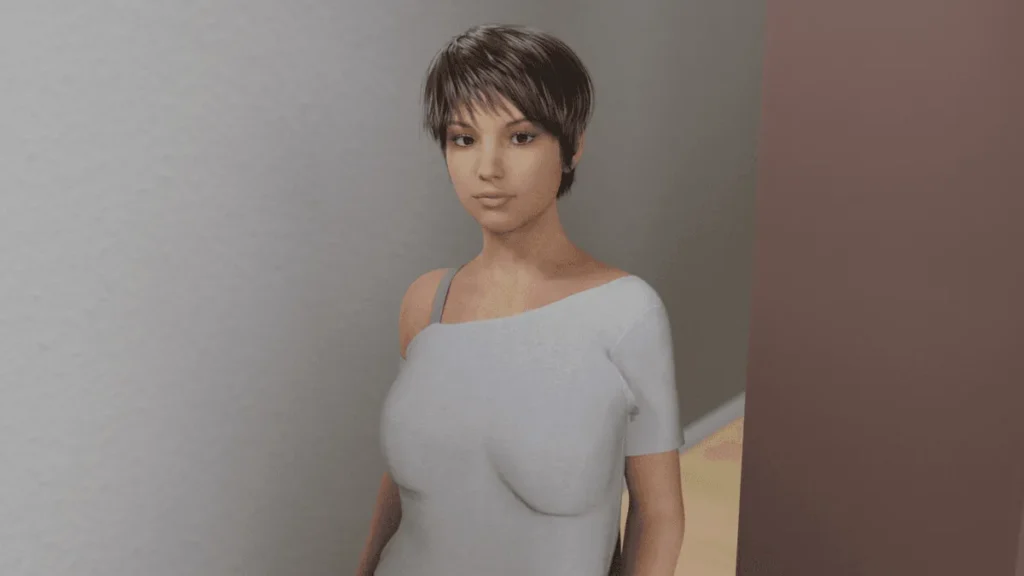
Heart Problems represents a significant evolution in adult gaming by proving that mature content and emotional depth aren’t mutually exclusive. Through its sophisticated dialogue system, invisible relationship mechanics, and innovative emotional consequence engine, the game creates a personalized experience where every choice matters. The combination of compelling storytelling, realistic graphics, and thoughtful game design transforms what could be superficial entertainment into a genuinely engaging narrative experience. Whether you’re drawn to the mystery of Iker’s mother’s disappearance, the complexity of family dynamics, or the psychological depth of character relationships, Heart Problems delivers a multi-layered experience that respects player intelligence. For those seeking an adult game that challenges conventions and prioritizes meaningful storytelling, Heart Problems offers hours of engaging gameplay that lingers long after the credits roll.