
Long Road Home
Play Long Road Home
Long Road Home Screenshots




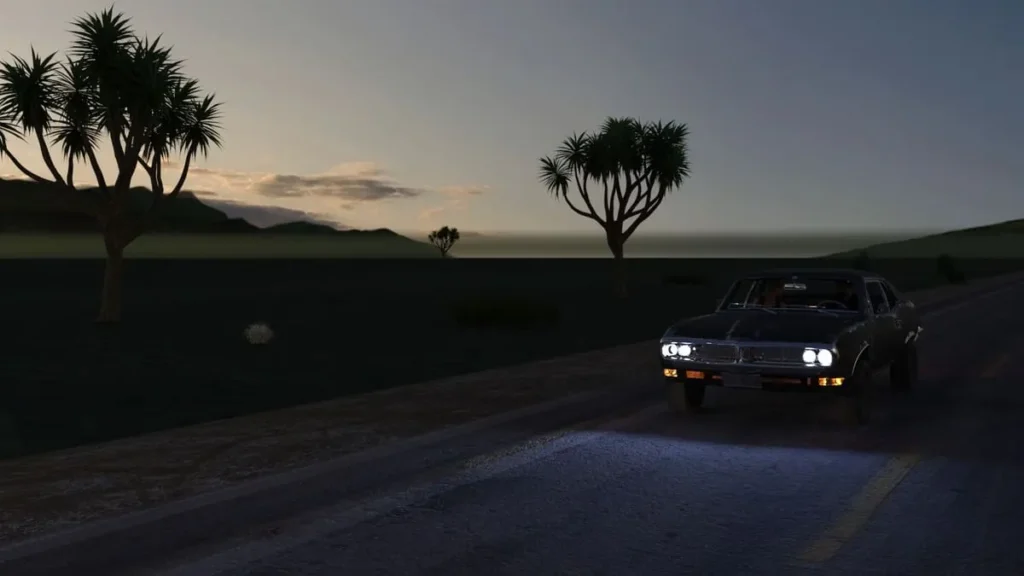



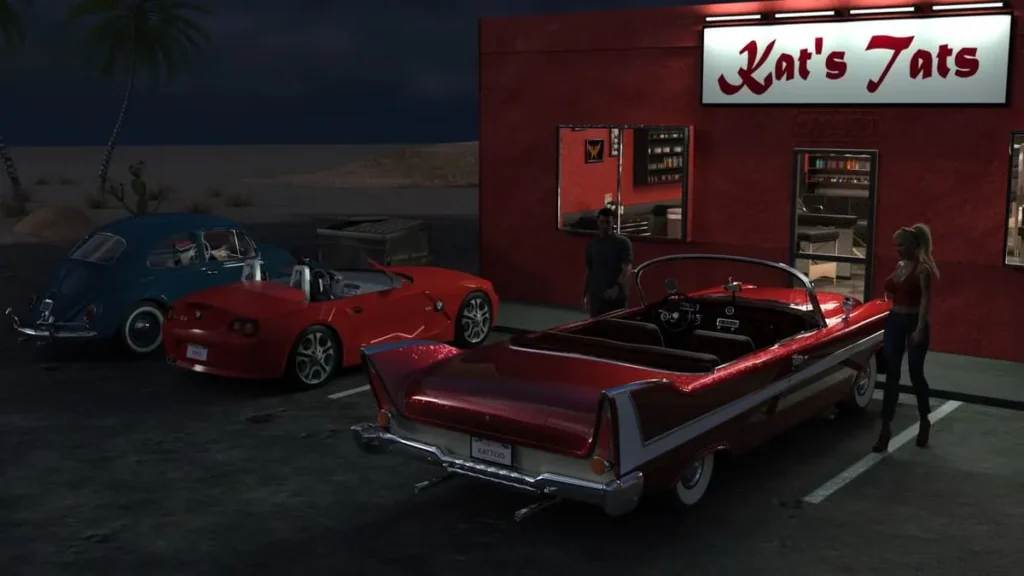






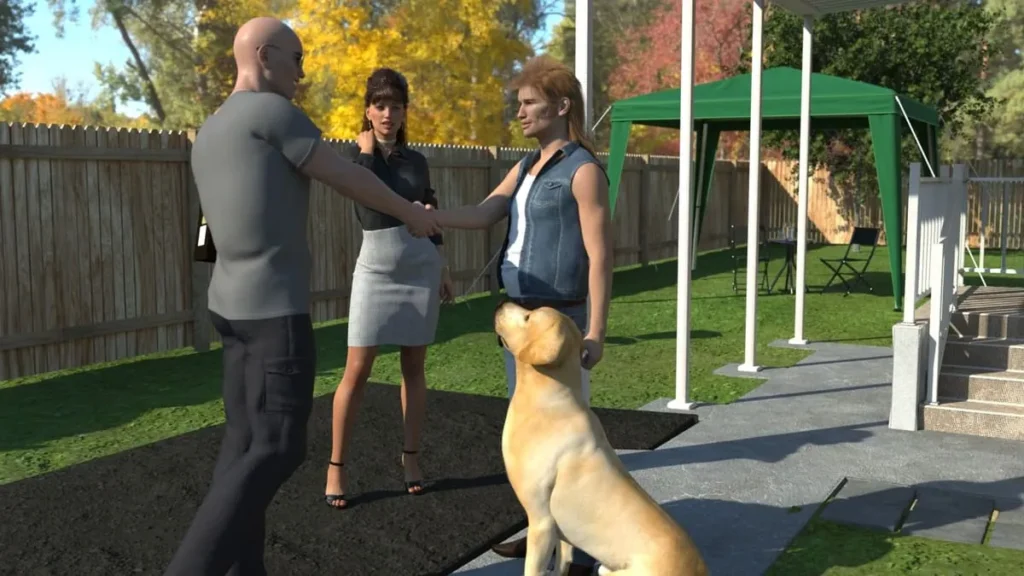










Long Road Home review
Discover Gameplay, Choices, and Biker Adventures in This Gripping Title
Imagine stepping out of prison gates, heart pounding, with nothing but the open road ahead and a mind still caged by the past. That’s where Long Road Home drops you right in, as Alexander embarks on a raw journey of redemption amid rival biker clubs and tempting encounters. This OBDGames creation masterfully weaves choice-driven storytelling with immersive adult elements, offering over 300 story outcomes based on your decisions. Whether you’re mixing strategic resource management with intimate alliances or navigating moral dilemmas, Long Road Home keeps you hooked. In this guide, I’ll share my own playthrough insights, from heartbreaking betrayals to thrilling club integrations, to help you conquer every path.
What Makes Long Road Home a Must-Play Adventure?
I’ll never forget the first time I booted up Long Road Home. I was expecting another action-heavy biker romp, but what I got hit me in the gut. 🥊 I sat there, controlling Alexander as he stepped out of the Kansas Federal Penitentiary gates, and felt this profound, unsettling quiet. The game didn’t just show me a character; it made me feel that yawning void inside him—the loss of his family, the purposelessness of freedom. That immediate, deep connection to the protagonist’s emotional state is the first clue you’re playing something special. This isn’t just a game; it’s a raw, interactive journey into a shattered soul looking for pieces to put back together, however broken they may be.
So, what is Long Road Home? At its heart, it’s a masterclass in narrative-driven experience from OBDGames. It’s a prison release adventure that swaps fists-first action for psychological depth, where every decision is a brushstroke painting your version of a broken man. You’re not just watching a story unfold; you’re living inside its consequences.
Unpacking the Core Story and Protagonist’s Journey
Alexander’s story is the powerful engine of this entire experience. Released after a long stretch inside, he doesn’t return to a hero’s welcome or a simple life. He returns to an empty space where his family once was. The core Long Road Home story is about filling that emptiness, and the scary truth the game presents is that you can try to fill a hole like that with almost anything: whiskey, violence, fleeting connections, or the dangerous sense of brotherhood offered by an outlaw biker club. 😔
This prison release adventure is brilliantly introspective. The game constantly asks you, through Alexander’s inner monologue and your choices: What does a man with nothing left to lose actually do? Does he seek redemption, or does he embrace the chaos his newfound “freedom” allows? The narrative doesn’t judge you for picking debauchery over decency; it simply shows the ripple effects. You might spend one evening drowning sorrows at a bar, and the next trying to perform a fragile act of kindness for a stranger. This duality makes Alexander one of the most human protagonists I’ve encountered in any OBDGames visual novel. He’s not a predefined hero or villain—he’s a canvas, and your choices supply the paint.
Why Biker Clubs Define the Game’s Tense World?
You can’t talk about the Long Road Home game without talking about the clubs. They aren’t just backdrop; they are the volatile ecosystem Alexander stumbles into. These groups offer the very things he desperately lacks: structure, identity, and a twisted sense of belonging. 🏍️💀 But this family comes with a heavy price tag.
You’ll encounter rival clubs, each with its own ethos, hierarchy, and simmering conflicts. Aligning with one isn’t as simple as putting on a patch. It’s a series of escalating biker club choices that test your loyalty, your morality, and your survival instincts. Do you run a simple errand that turns into something sinister? Do you stand by your “brothers” in a fight that isn’t yours, risking everything? The tension is palpable because the game makes it clear: these men are not saints. Their loyalty is conditional, and their world is governed by power and respect—concepts Alexander must quickly relearn on the outside.
Your decisions here directly shape Alexander’s reputation and the story’s trajectory. Choosing to help one club over another can open up entire new story branches or violently close others. This network of rivalries and alliances is what gives the game’s world its gritty, authentic, and dangerously immersive feel.
How Choice Paths Lead to Epic Endings?
This is where the Long Road Home game truly shines and separates itself from the pack. Your agency is everything. The game presents conversations and situations with a dynamic choice system, often symbolized by intuitive color-coded responses:
* Red options typically lean toward aggression, defiance, or violence.
* Blue options often signal agreement, diplomacy, or calm.
* Green choices usually open doors to intimacy, deeper connection, or romance.
The genius is in the mix. You can’t just spam one color and expect the best outcome. Life isn’t that simple, and neither is Long Road Home. Maybe you start a tense negotiation with a calm (Blue) approach, only to snap with a threatening (Red) retort when pushed too far. Or perhaps you use a moment of vulnerability (Green) to disarm someone before making a strategic move. This system creates incredibly natural, flowing, and suspenseful dialogue.
Pro Tip: Save often! While the game has autosaves, creating manual saves before major decisions is a lifesaver. The latest version (Episode 16 / 10.1 Part 3, updated 2025) even allows you to export your save file, letting you carry your specific Alexander and his baggage seamlessly into future updates. 🔄
These biker club choices and personal moral decisions funnel into the game’s crowning achievement: its Long Road Home endings. We’re not talking about a simple “good, bad, and neutral” trio here. The developers boast over 300 unique outcomes, and it feels believable. An ending isn’t just about who lives or dies; it’s about who Alexander becomes. Does he find a semblance of peace? Does he become a ruthless king of the asphalt? Does he end up utterly alone, having burned every bridge? Your journey defines the destination.
Here’s a quick look at how early choices can branch your path:
| Your Early Choice | Potential Story Branch | Influences Ending By… |
|---|---|---|
| Helping a stranger in the first town | Unlocks a side story of civilian connections, offering shelter & alternative info. | Providing a potential safe haven or allies outside the biker world. |
| Stealing from a club instead of earning trust | Triggers immediate hostility, locking you out of that club’s quests and alliances. | Forcing you to rely on rival clubs, potentially leading to a war-centric ending. |
| Pursuing a romantic link with a key character | Opens intimate scenes and personal quests that reveal hidden plot details. | Adding a layer of personal stakes that can save or doom you in the finale. |
To help you navigate this web, here are some key features of the game’s choice-driven design:
- Non-Linear Exploration: The world opens up based on your reputation and choices. A friendly town might shut its doors if you cause trouble, while a dangerous bar might become your regular haunt.
- Character is Fate: Alexander develops traits based on your consistent decisions (e.g., “Hot-Headed,” “Empathetic,” “Calculating”). These traits can unlock or lock specific dialogue options later, making your playthrough uniquely yours.
- Improvisation is Key: The game features a clever crafting/system. For example, combining a bottle of vodka with a rag doesn’t just make a drink—it might create an impromptu tool for a desperate situation, showcasing the resourceful, gritty survival tone.
I learned the weight of choice the hard way. Early on, I ignored a distressed stranger on the side of the road, thinking it was a side quest I could skip. 🚗 Weeks later in the game, when I was desperate and wounded, that same stranger refused me help, his face cold with recognition. The game had remembered my indifference. That moment, more than any shootout, cemented Long Road Home as a titan of narrative consequence.
This is why it’s more than a typical title. The Long Road Home story possesses a depth and emotional resonance that rivals great films or novels. It’s a slow burn, a psychological portrait, and a gripping prison release adventure all in one. You don’t just play it; you inhabit it, and you carry the weight of its world long after you’ve seen one of its many Long Road Home endings.
“Calling Long Road Home just a game feels like an insult. It’s a piece of interactive art that digs into themes of loss and belonging most blockbusters are afraid to touch. It doesn’t just tell a story—it makes you answer for it.” – A veteran player’s review.
Long Road Home isn’t just a game—it’s a rollercoaster of tough choices, steamy encounters, and profound self-reflection that lingers long after the credits. From biker rivalries to life-altering decisions, my journeys through its paths taught me the power of mixing risks for the richest stories. Whether you chase green paths for passion or red for raw conflict, every playthrough reveals new depths. Dive in today, export your saves, and carve your own road home. What’s your first big choice going to be? Share in the comments and let’s compare notes on those wild outcomes.