Play Treasure of Nadia
Treasure of Nadia Screenshots






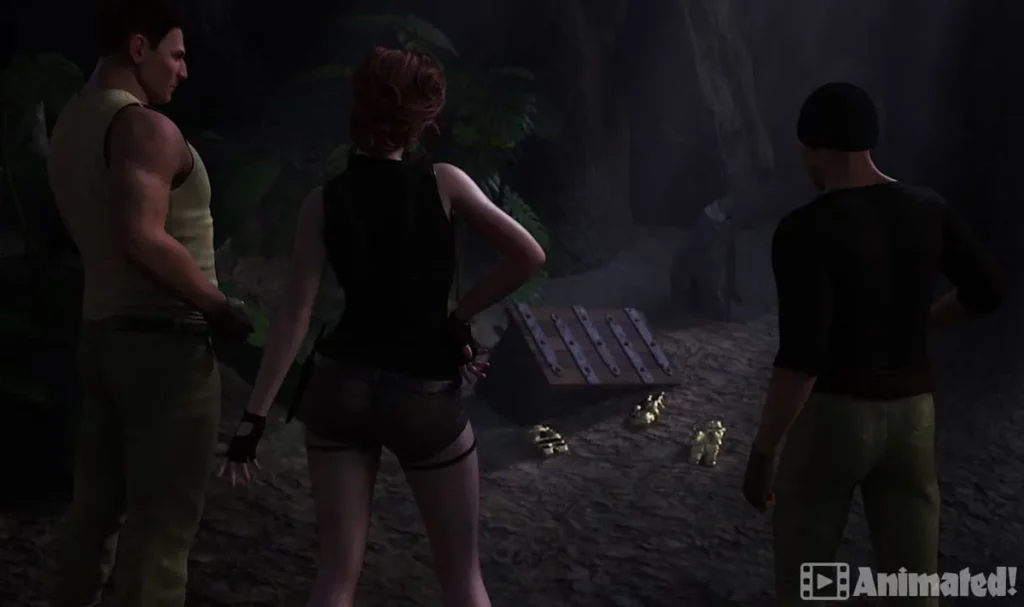








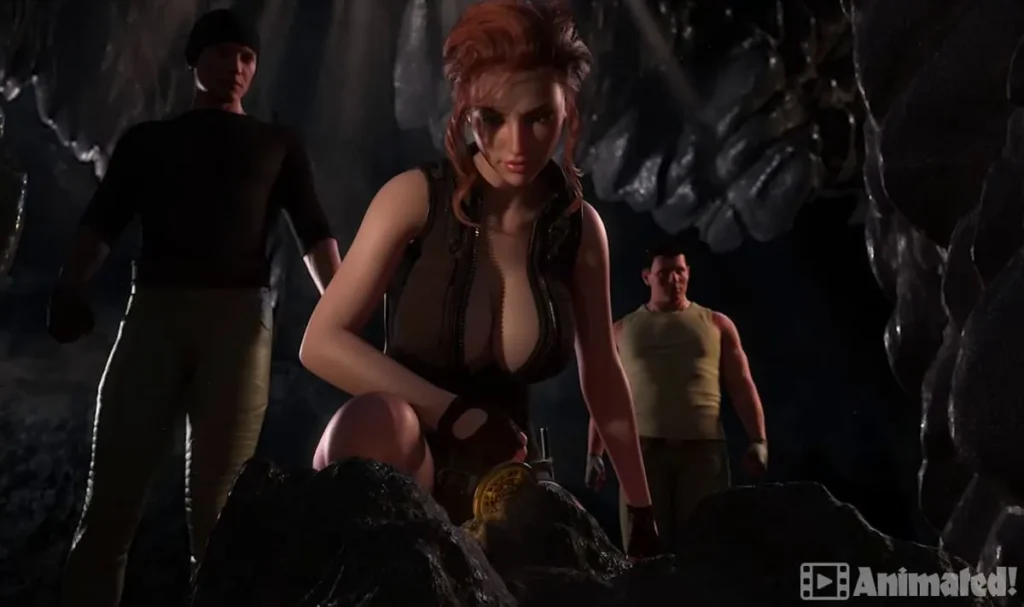
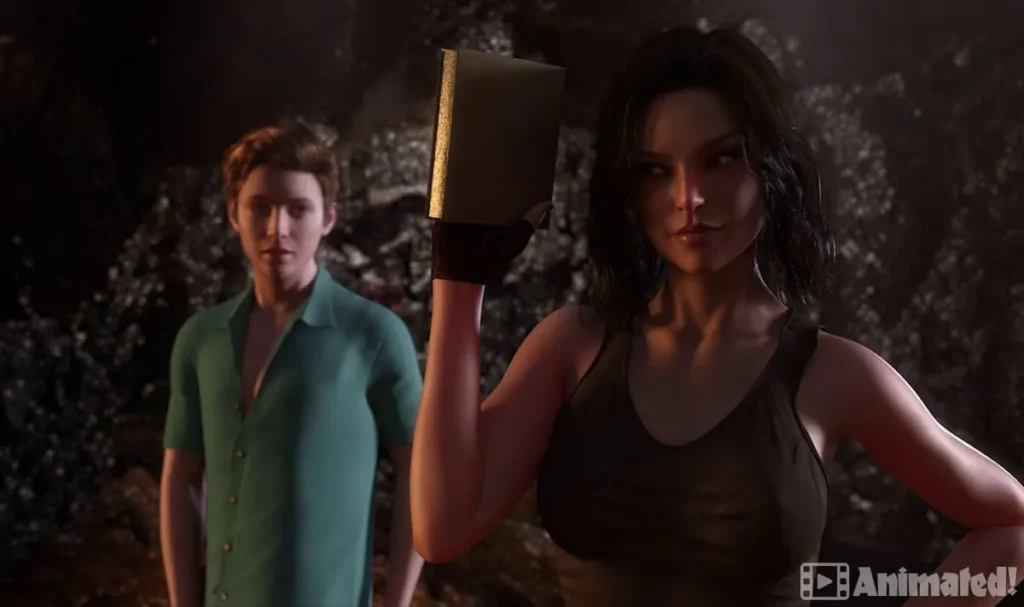
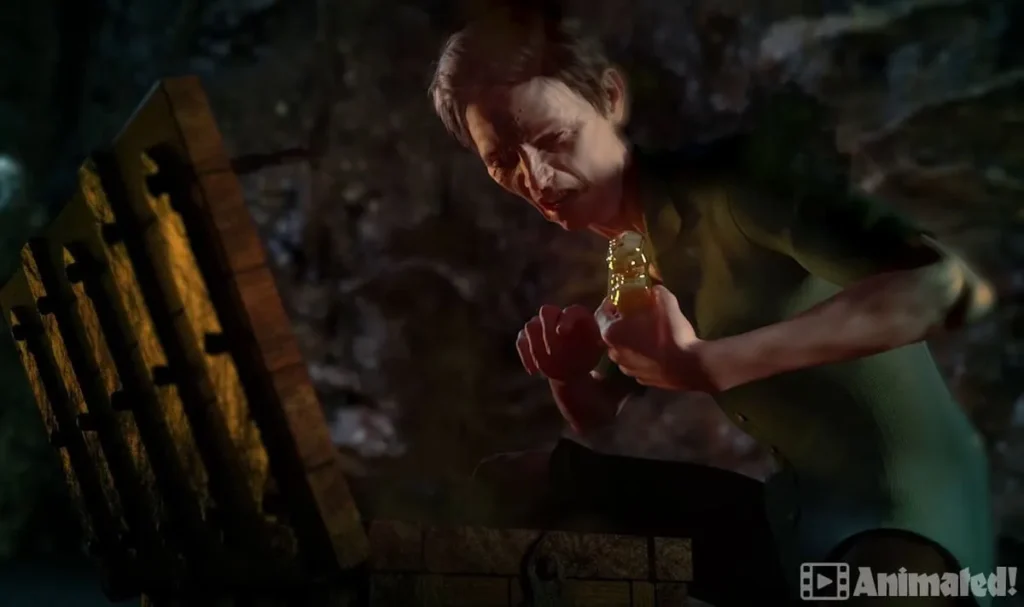





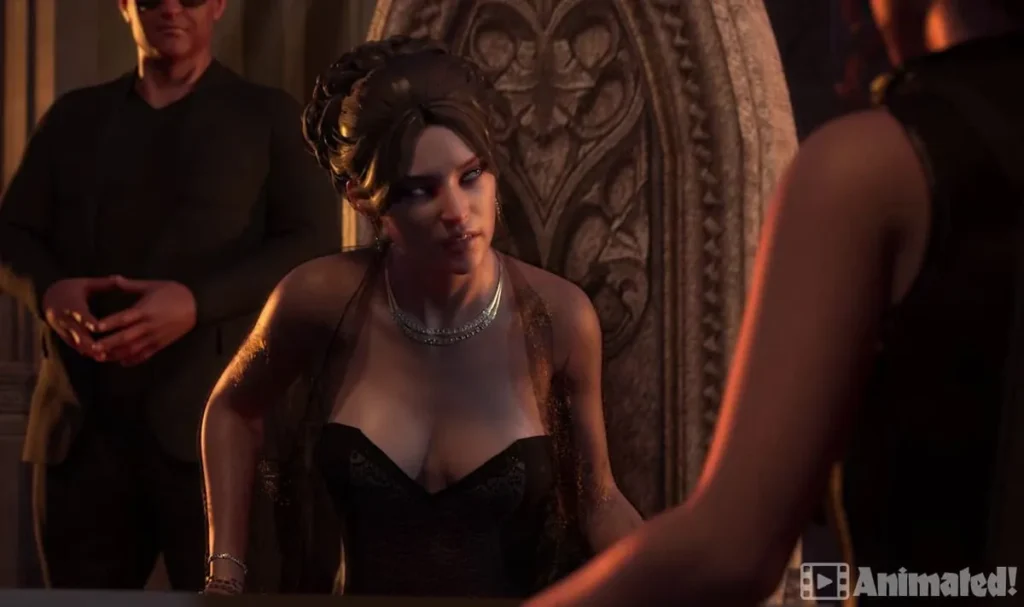




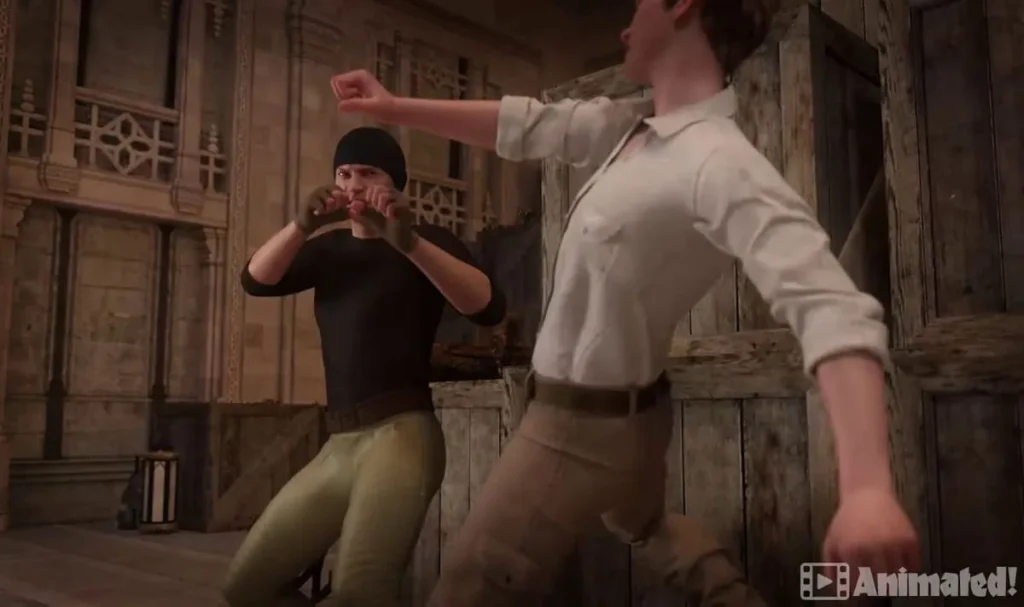





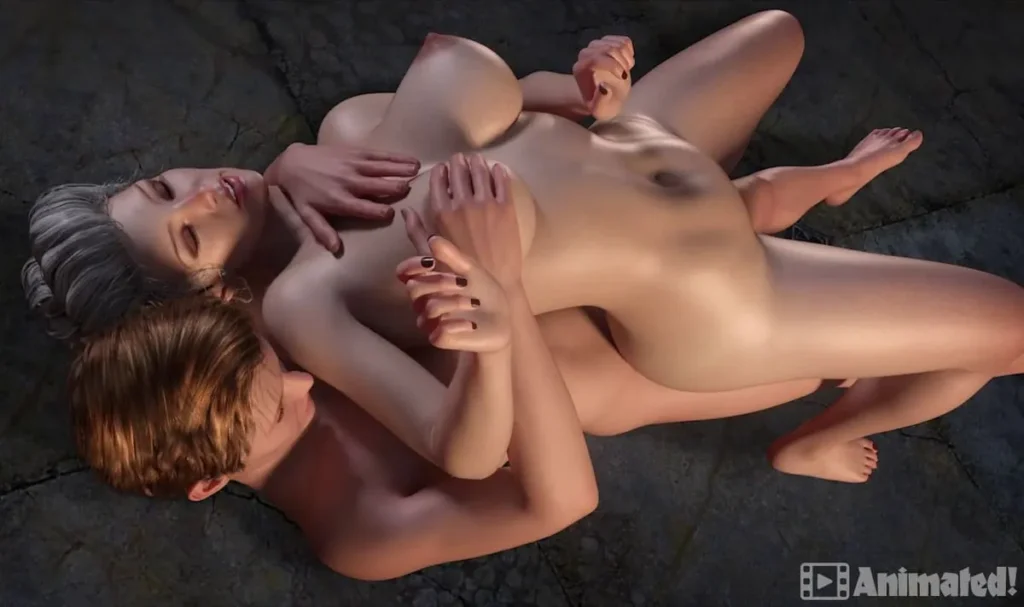




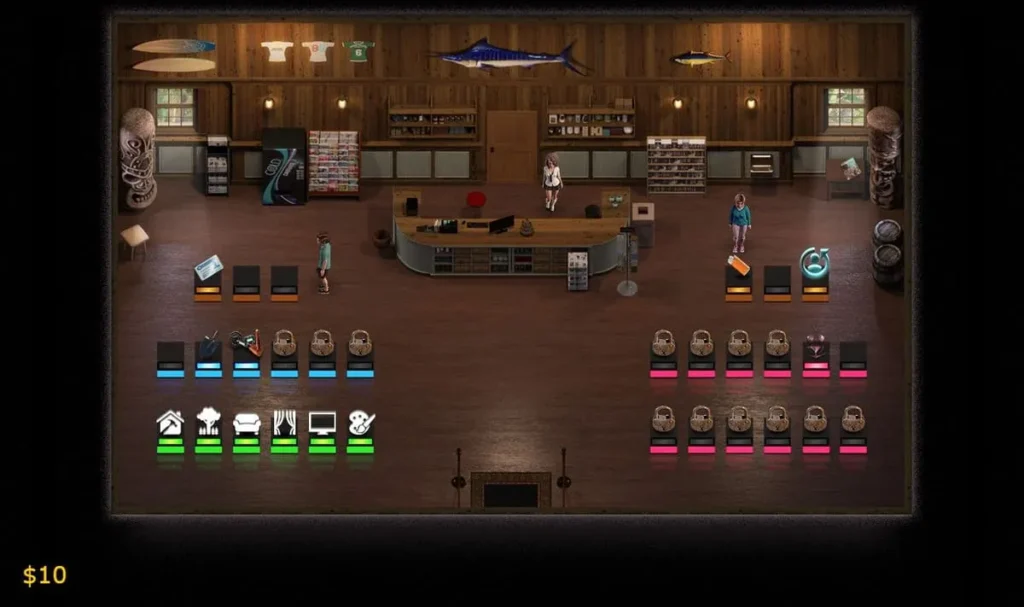




Treasure of Nadia review
Explore gameplay mechanics, story elements, and what makes this adventure title stand out
Treasure of Nadia has carved out a distinctive niche in adventure gaming by blending exploration-based gameplay with intricate storytelling. This title combines Indiana Jones-inspired treasure hunting mechanics with puzzle-solving elements and character-driven narratives. Whether you’re interested in understanding the core gameplay loop, exploring the story depth, or discovering what sets this game apart from other adventure titles, this guide covers everything you need to know about what makes Treasure of Nadia a standout experience for players seeking engaging, story-rich adventures.
Gameplay Mechanics and Core Features
Diving into Treasure of Nadia, you quickly realize it’s so much more than a simple visual novel. 🎮 At its heart, it’s a rich, interactive experience built on a foundation of engaging Treasure of Nadia gameplay mechanics that will have you exploring, thinking, and creating for hours on end. If you’ve ever dreamed of a blend of adventurous exploration, brain-teasing puzzles, and a dash of resourceful crafting, then this is your game. It masterfully combines these elements into a cohesive RPG exploration game framework that drives both the story and your personal journey through the tropical island of Naheul.
Think of it as putting on the explorer’s hat yourself. You’re not just watching a story unfold; you’re actively uncovering it, piece by piece, through your actions. The core loop is incredibly satisfying: you travel to beautifully rendered locations, scour them for clues and materials, solve environmental puzzles to open new paths, and use what you find to craft essential tools. This cycle of discovery directly unlocks the next captivating story beat, creating a perfect rhythm between doing and watching. Let’s break down exactly how this all works together to create such a compelling adventure.
How the RPG-Style Gameplay Works
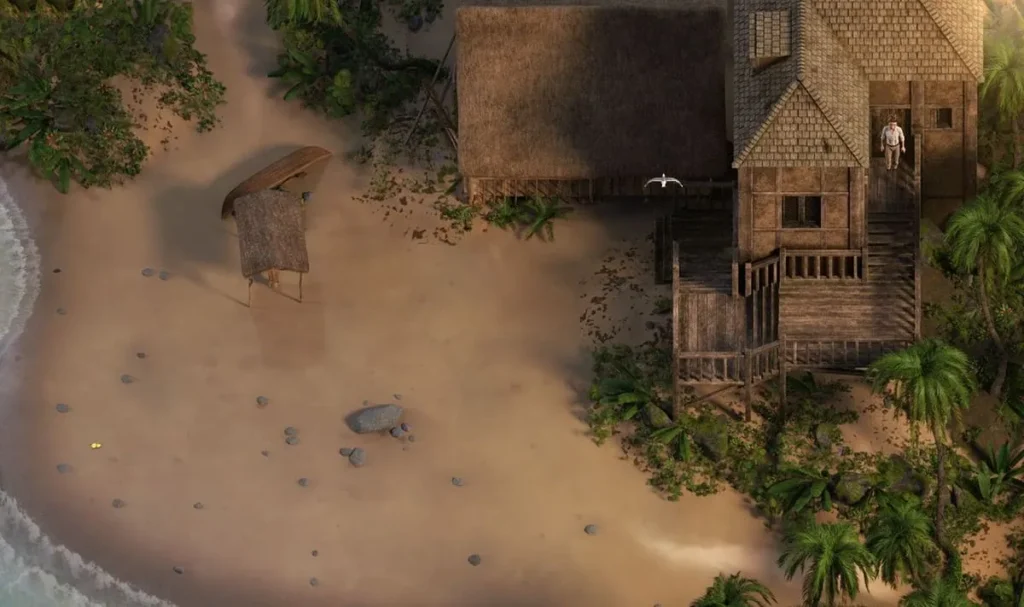
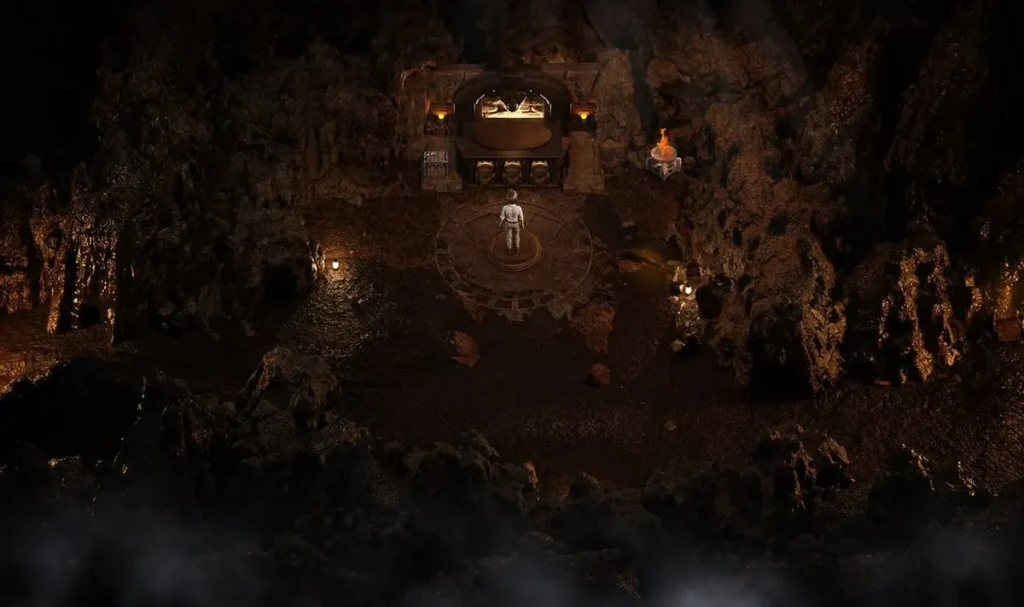
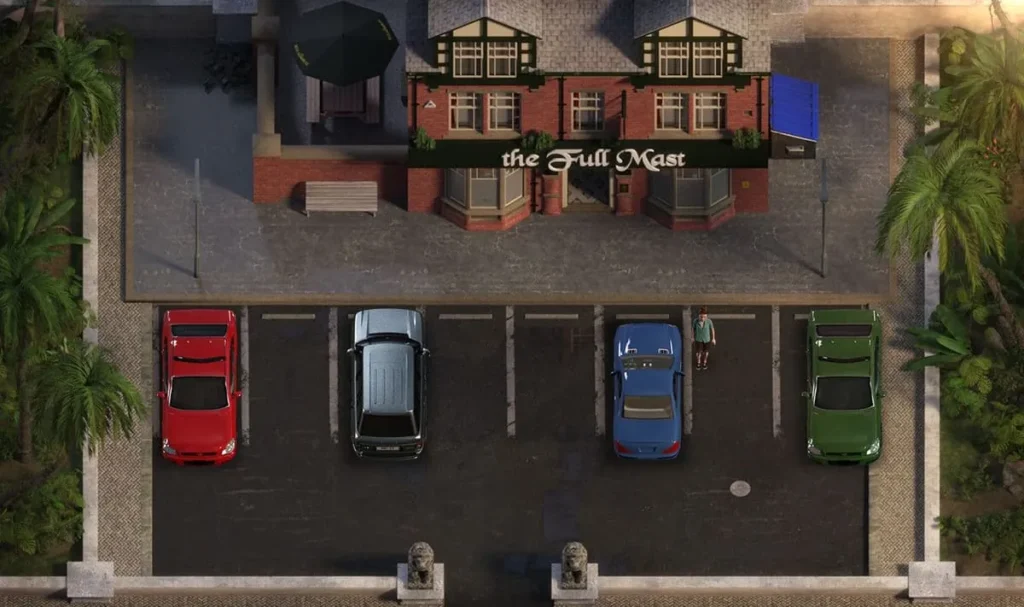
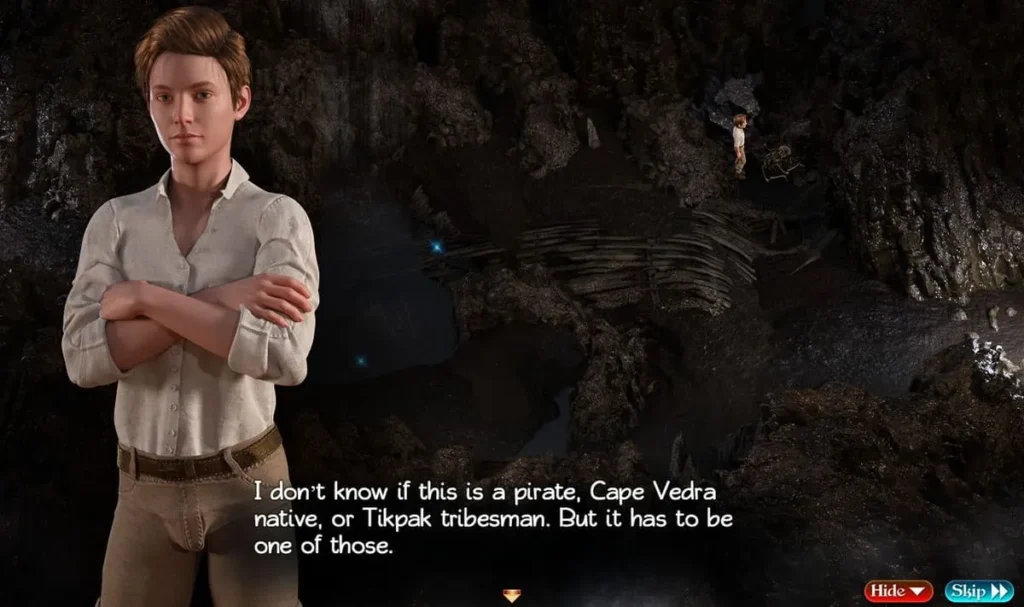
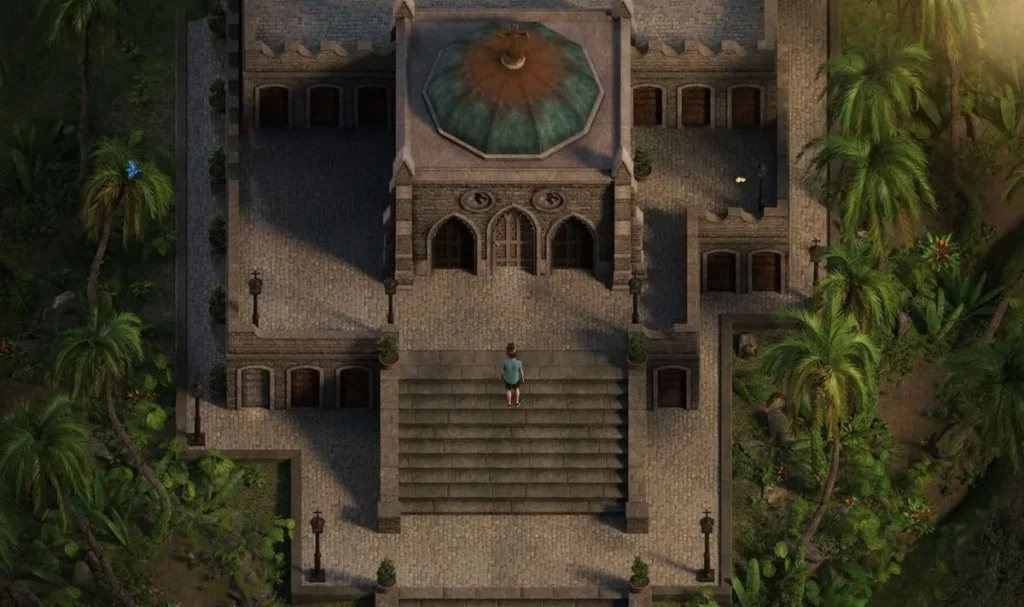
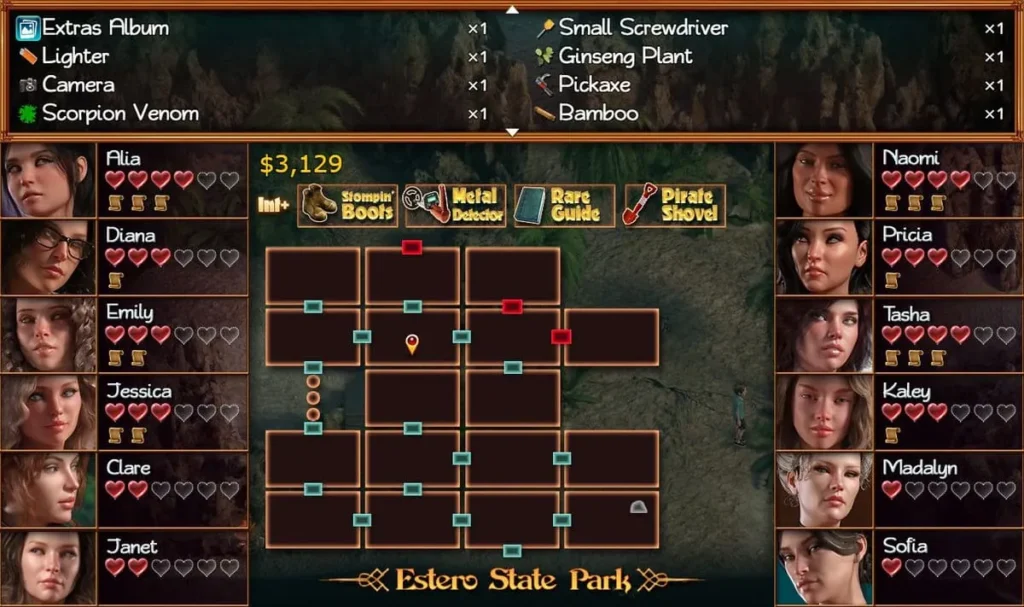
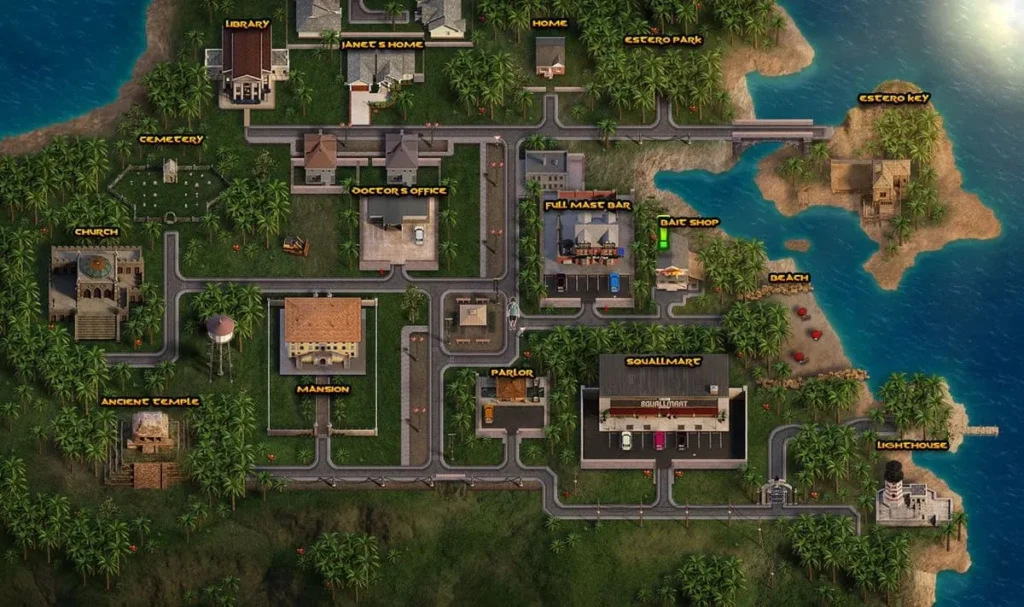
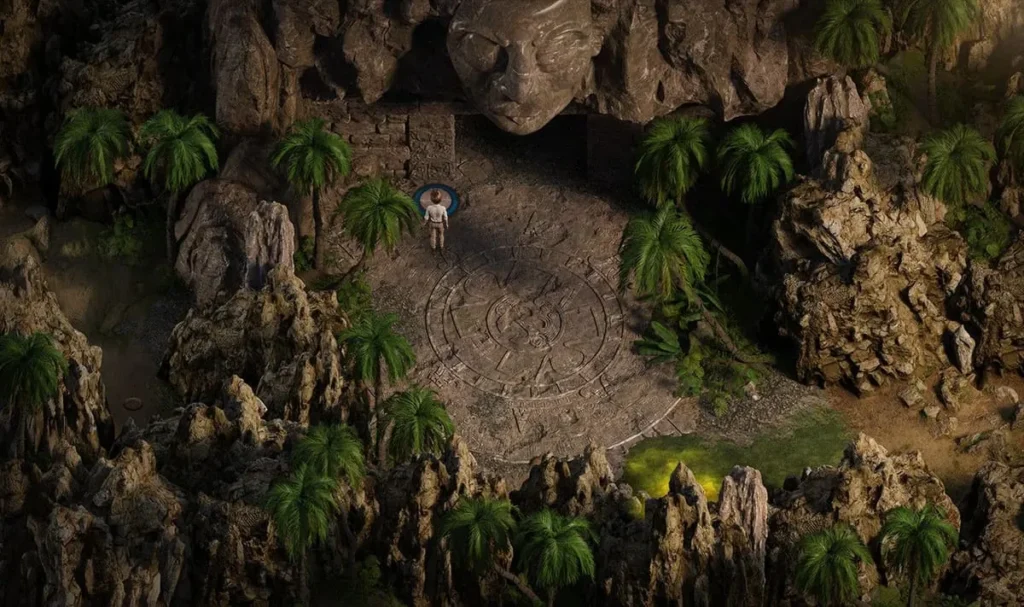
The magic of Treasure of Nadia begins with its structure. Unlike linear stories, it gifts you with a sense of agency reminiscent of classic RPG exploration games. The island of Naheul is your sandbox, filled with interconnected areas like the dense jungle, mysterious caves, ancient temples, and the bustling town. You navigate this world from a first-person perspective at key points, choosing where to go next. This isn’t just window dressing; it’s the engine of the entire experience.
Your journal and map become your best friends. 📖 The game gently guides you with objectives, but the how and when is often up to you. This structure creates a fantastic puzzle solving adventure because progress is frequently gated not by arbitrary locks, but by your own ingenuity and preparedness. You might hit a barrier—a collapsed tunnel, a sealed door, a treacherous river—and realize you need a specific tool or piece of information. This sends you back into the world with a purpose, re-examining familiar areas with new eyes or braving uncharted ones.
This RPG-like approach is the backbone of the game pacing and progression. You set the tempo. Feel like focusing on the main mystery? Follow the primary quest markers. Want to take a detour and help a local with a side problem, or spend an afternoon fishing and foraging? You can do that too. This balance prevents the story from feeling like a rushed movie and instead makes it feel like your personal expedition. The Treasure of Nadia gameplay mechanics are designed to make you feel like a true explorer, where every discovered note, every crafted rope, and every solved riddle is a personal achievement that pushes your unique story forward.
To give you a quick overview of how these pillars interact, here’s a breakdown of the core systems:
| Core Element | How It Works | Role in Your Adventure |
|---|---|---|
| Location Exploration | First-person navigation between detailed, static scenes. You click to move and interact with hotspots for items, clues, or triggers. | Drives discovery. Finding new areas unlocks story and puzzles. Revisiting old areas with new tools yields secrets. |
| Crafting System | Combine raw materials (herbs, metal, rope) found while exploring into essential tools (lockpicks, healing salves, climbing gear). | Gates progression meaningfully. You must engage with the world to build what you need to overcome obstacles. |
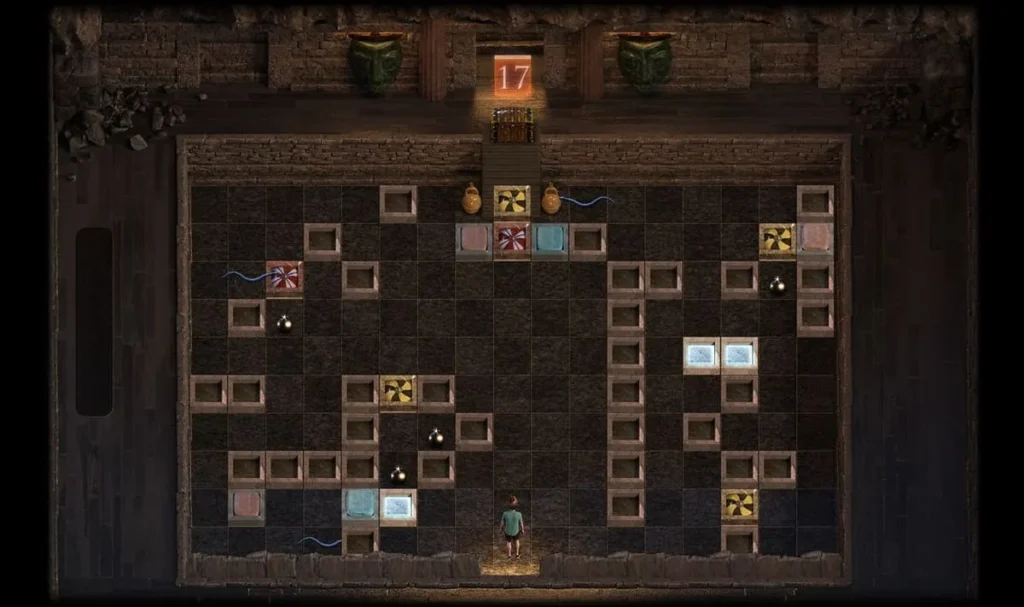
| Puzzle Types | Environmental logic puzzles, inventory-based puzzles (use item X on hotspot Y), and narrative-integrated riddles. | Provides intellectual challenge. They are the “locks” that your exploration and crafting provide the “keys” for. |
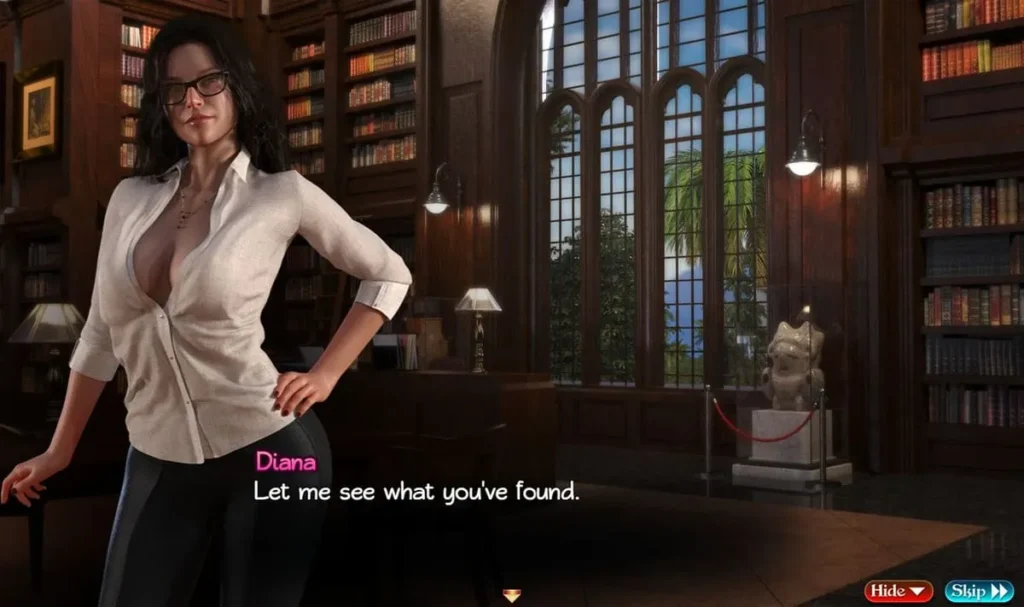
| Story Cutscenes | Visual novel-style sequences with character art, dialogue, and choices that reward you with relationship points or items. | The narrative payoff. They are unlocked by your gameplay successes and deepen character relationships and plot. |
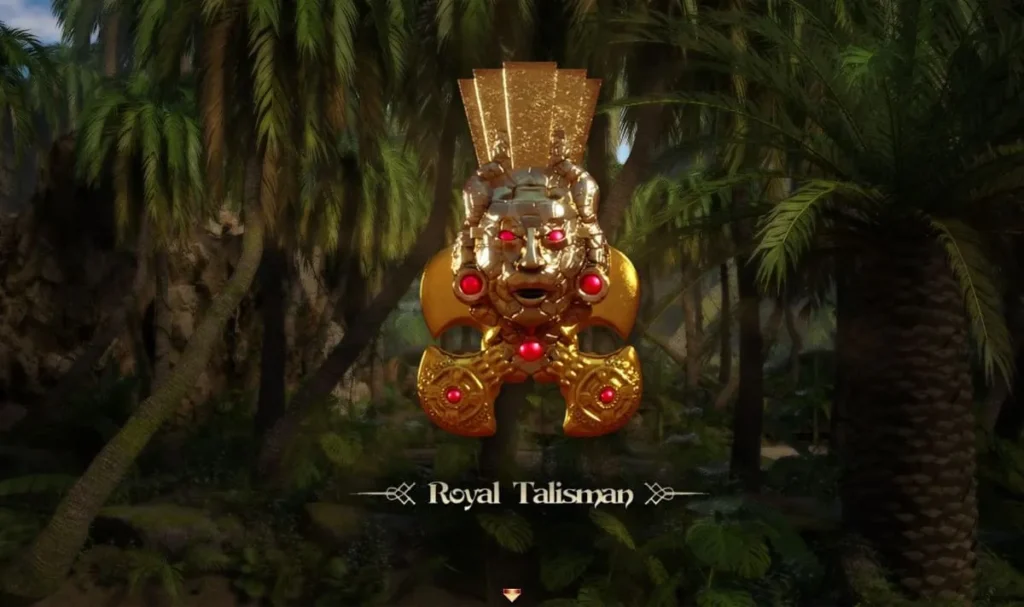
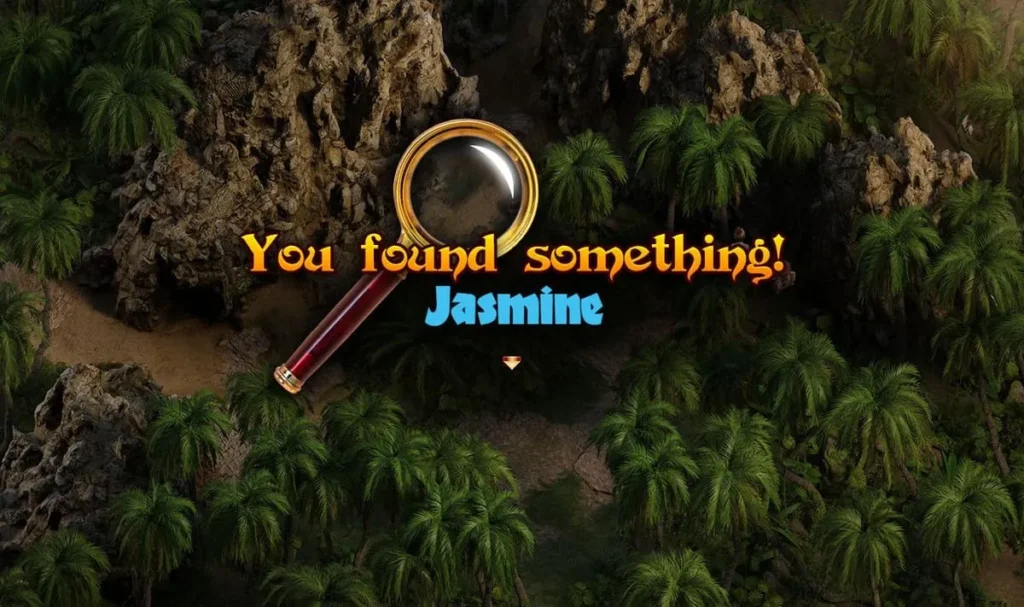
| Collectibles | Hidden items like Sacred Gems, Stone Tablets, and erotic figurines scattered across the island. | Offers long-term goals and rewards thorough exploration. They often unlock bonus content and scenes. |
Exploration, Crafting, and Puzzle-Solving Systems
This is where the Treasure of Nadia gameplay mechanics truly sing in harmony. 🎵 Each system feeds into the others, creating an immersive loop that’s hard to step away from. Let’s get into the nitty-gritty.
The Thrill of Discovery: Location Exploration Mechanics
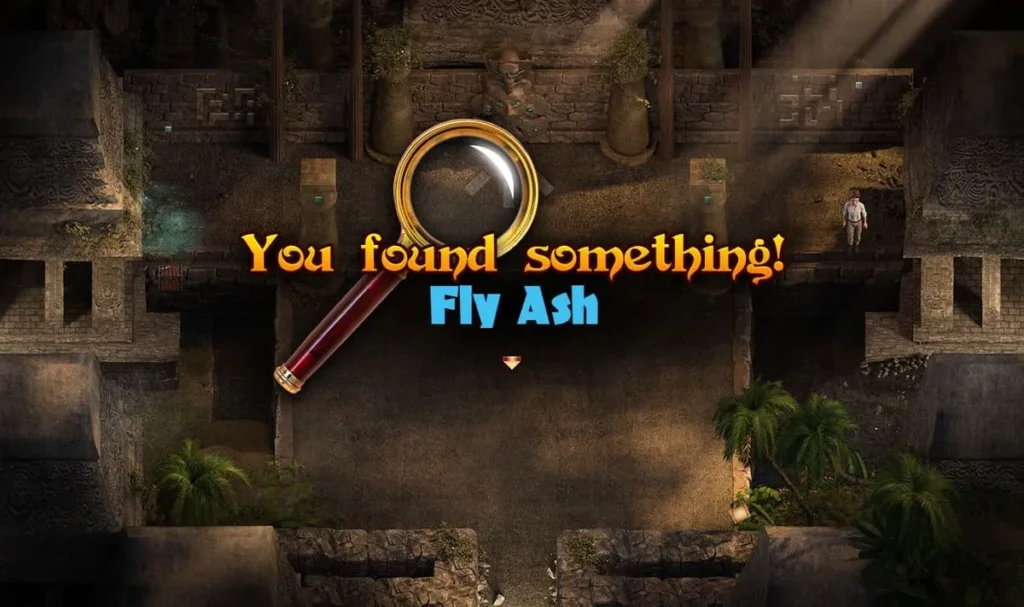
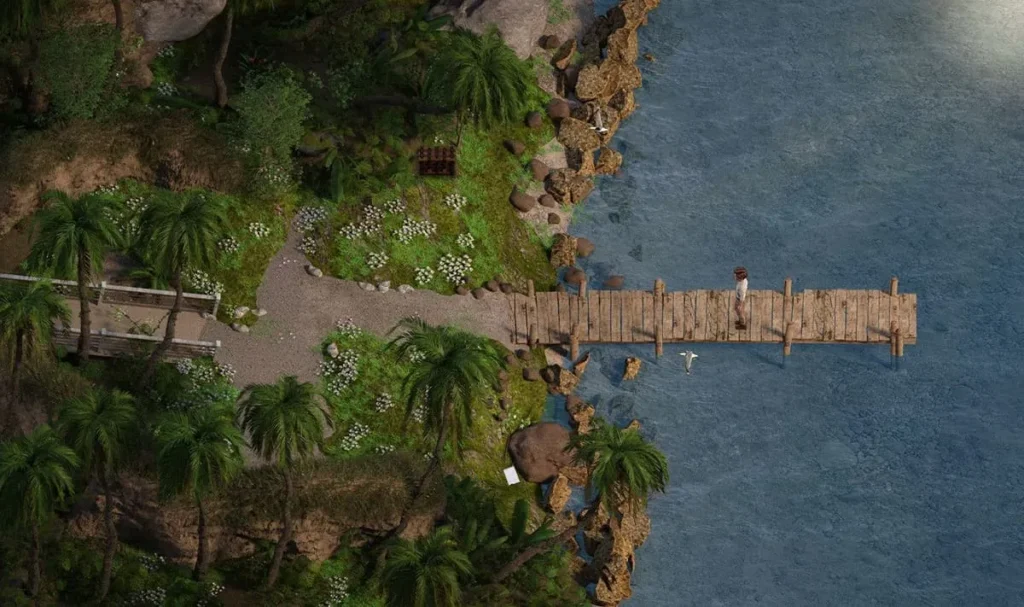
The location exploration mechanics are deceptively simple but deeply effective. You’ll spend most of your time moving between stunningly drawn scenes, clicking on interactive points. What makes it engaging is the layering. An area isn’t just a one-and-done visit. Early on, you might see a shiny object up on a ledge or a strange marking on a wall with no way to interact. You have to mentally note it and return later with the right tool—a grappling hook crafted from vines and metal, or a brush made from boar hair and wood. This design rewards attentiveness and makes the world feel persistent and real. It transforms exploration from just “going to places” to “unlocking the secrets of places.”
Becoming a Resourceful Survivor: The Crafting System Game
Ah, the crafting system game aspect! This isn’t some tacked-on mini-game; it’s integral to your survival and success. You’ll gather resources from the environment: vines from the jungle, ore from mines, herbs from clearings. Your inventory will slowly fill with these raw materials, and the crafting menu is where the magic happens. ✨
The beauty is in its necessity. You won’t craft 50 slightly different swords; you’ll craft the one shovel you desperately need to dig up a buried clue, or the specific insect repellent to safely pass through a swarm. Each recipe you learn (often from a found scroll or helpful character) feels like a major breakthrough. I remember the first time I crafted the metal detector; suddenly, entire beach areas I’d written off as empty were buzzing with new digging spots, revealing coins and artifacts. This system directly ties your engagement with the world to your ability to progress, making every mushroom picked or every piece of scrap metal collected feel worthwhile.
Engaging Your Mind: The Heart of a Puzzle Solving Adventure
The puzzles are the glorious obstacles that make your exploration and crafting feel heroic. This is a genuine puzzle solving adventure. You’ll encounter classic adventure game logic: “I need to get that jewel, but it’s guarded by a statue. The priest mentioned water sanctifies stone… maybe if I use my filled waterskin here?” The solutions always feel grounded in the world’s logic.
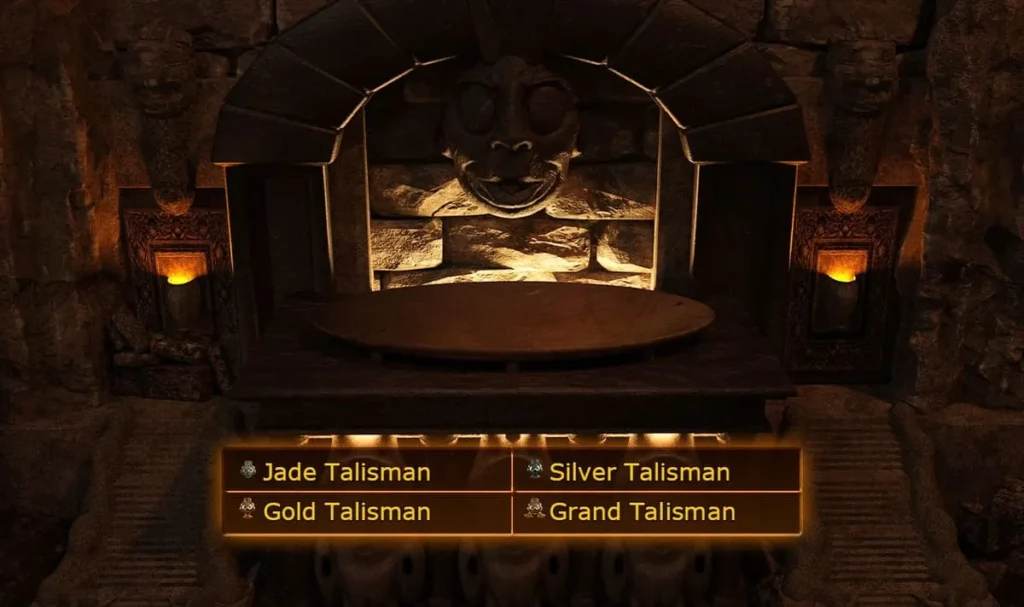
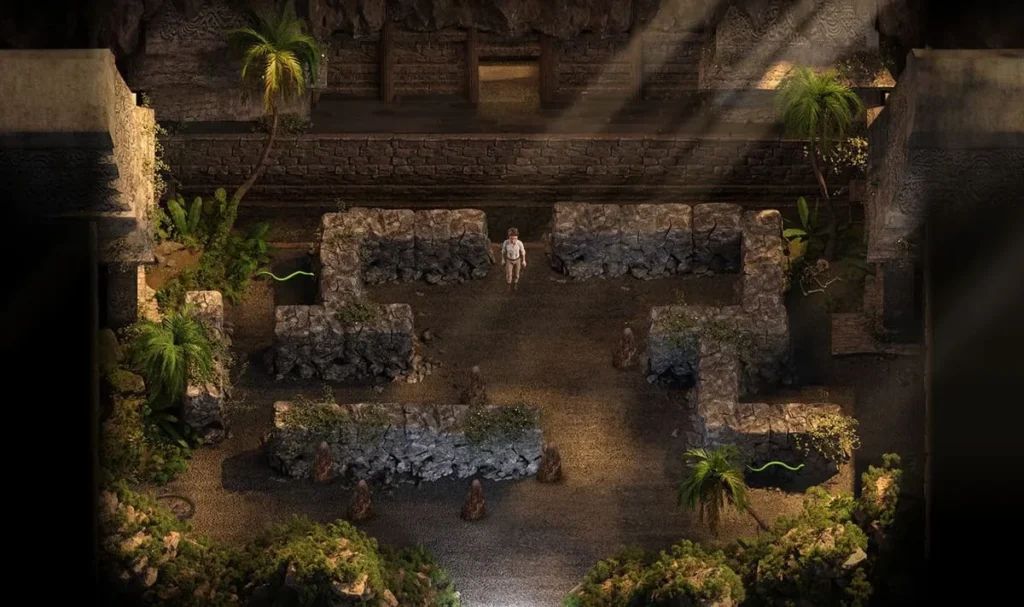
Some puzzles are pure environmental observation—aligning symbols, matching patterns found in your journal notes, or figuring out the correct sequence to press ancient buttons. Others are inventory-based, requiring you to use a crafted or found item in a clever way. They are rarely obtuse for the sake of being hard; they make you feel like a clever detective piecing together the island’s mysteries. The satisfaction of hearing that click or seeing a hidden door slide open is a reward in itself, often followed by the even greater reward of a story scene or a valuable new area to explore.
Pacing and Content Variety
Now, let’s talk about the rhythm of your adventure—the game pacing and progression. This is where Treasure of Nadia shows its understanding of player engagement. The game expertly alternates between periods of active, sometimes methodical gameplay and rewarding, story-rich payoffs.
The early game is a breeze of discovery. New areas, new characters, and simple crafting recipes open up rapidly, hooking you with constant positive reinforcement. The mid-game, as the world opens up, introduces what some might call a “methodical” phase. You know what you need to do—perhaps gather several rare resources for a complex craft, or find a set of hidden stones—but it requires you to thoroughly traverse known territories or finally tackle those side quests you’ve been saving.
Personal Tip: Don’t fight this pace! Embrace this period. Put on some relaxing music, and treat your resource-gathering sessions as a tranquil tour of the island. This is often when you’ll stumble upon hidden collectibles and side content you missed before, making the “grind” feel like fruitful exploration.
This deliberate pacing serves a crucial purpose: it makes the story moments feel earned. When you finally assemble the ancient key after three play sessions of searching, the cutscene that follows is exponentially more satisfying. It also allows for natural character development during downtime; chatting with characters while you’re in town buying supplies or choosing who to help with a side task deepens relationships organically.
Speaking of collectibles and side content, this is what turns a great playthrough into a complete one. Beyond the main quest, Naheul is packed with extras:
* Sacred Gems & Stone Tablets: These major collectibles often require solving multi-step puzzles across different locations. Finding them all unlocks significant bonus material and is a true test of your exploration skills.
* Erotic Figurines: Well-hidden and often cheekily placed, collecting these provides its own unique rewards.
* Side Quests & Character Stories: Helping the locals with their problems isn’t just filler; it rewards you with cash, unique items, recipe clues, and deeper insights into the island’s life.
These elements provide wonderful off-ramps from the main story. Hit a roadblock? Go figurine hunting. Need more cash for shop items? Spend a day completing side tasks. This variety ensures there’s always something meaningful to do, controlling the game pacing and progression by letting you choose your own diversions.
To summarize the engine that makes this all work, here are the key gameplay features that interact seamlessly:
- Exploration Mechanics: A vast, interconnected island to survey at your own pace, with secrets gated by your ingenuity and tools.
- Resource Gathering: A constant, rewarding activity that makes every corner of the world potentially useful, feeding directly into crafting.
- Item Crafting: A purposeful and essential system where every created item is a key to a new door, both literal and metaphorical.
- Puzzle-Solving: Logical, environmental, and inventory-based challenges that provide intellectual satisfaction and gate major progression.
- Character Interactions: Meaningful choices and relationship-building that are often unlocked by your progress in exploration and crafting.
- Progression Systems: A clear but flexible structure where story advancement is directly tied to gameplay achievement, making you feel responsible for the narrative’s forward momentum.
In the end, the Treasure of Nadia gameplay mechanics are a masterclass in how to build an engaging world. It understands that a great story is even better when you work for it. By blending the open-ended feel of an RPG exploration game with the focused challenges of a puzzle solving adventure and the tangible rewards of a crafting system game, it creates a uniquely satisfying loop. The thoughtful location exploration mechanics and the well-considered game pacing and progression, filled with rewarding collectibles and side content, ensure that your time on Naheul is always engaging, always moving forward, and always firmly in your hands as the explorer. It’s this powerful synergy that makes the adventure not just something you watch, but something you truly live. 🏝️⚒️🔍
Treasure of Nadia stands out as a thoughtfully designed adventure title that successfully balances engaging gameplay mechanics with compelling narrative content. The combination of exploration-based gameplay, puzzle-solving elements, and character-driven storytelling creates an experience that appeals to players seeking depth beyond surface-level entertainment. The game’s technical achievements in visual presentation, coupled with its substantial story content and character variety, have earned it recognition within the gaming community. Whether you’re drawn to the Indiana Jones-inspired adventure elements, the intricate character relationships, or the polished gameplay systems, Treasure of Nadia offers a comprehensive experience that rewards both casual exploration and dedicated engagement. For players considering diving into this title, understanding these core elements will help you appreciate what makes this adventure game a distinctive entry in its category.