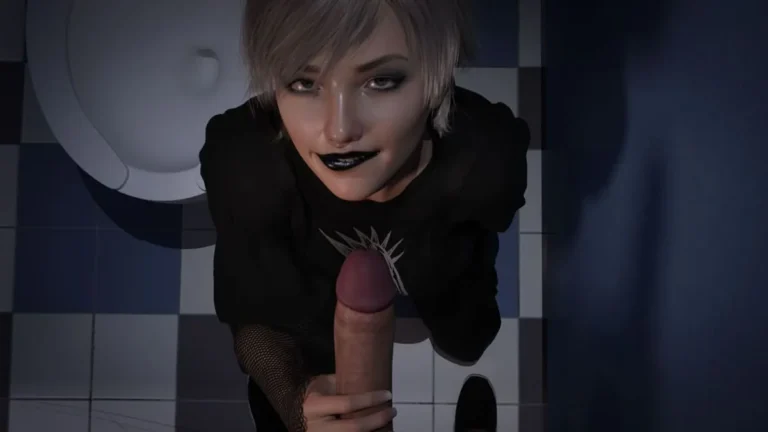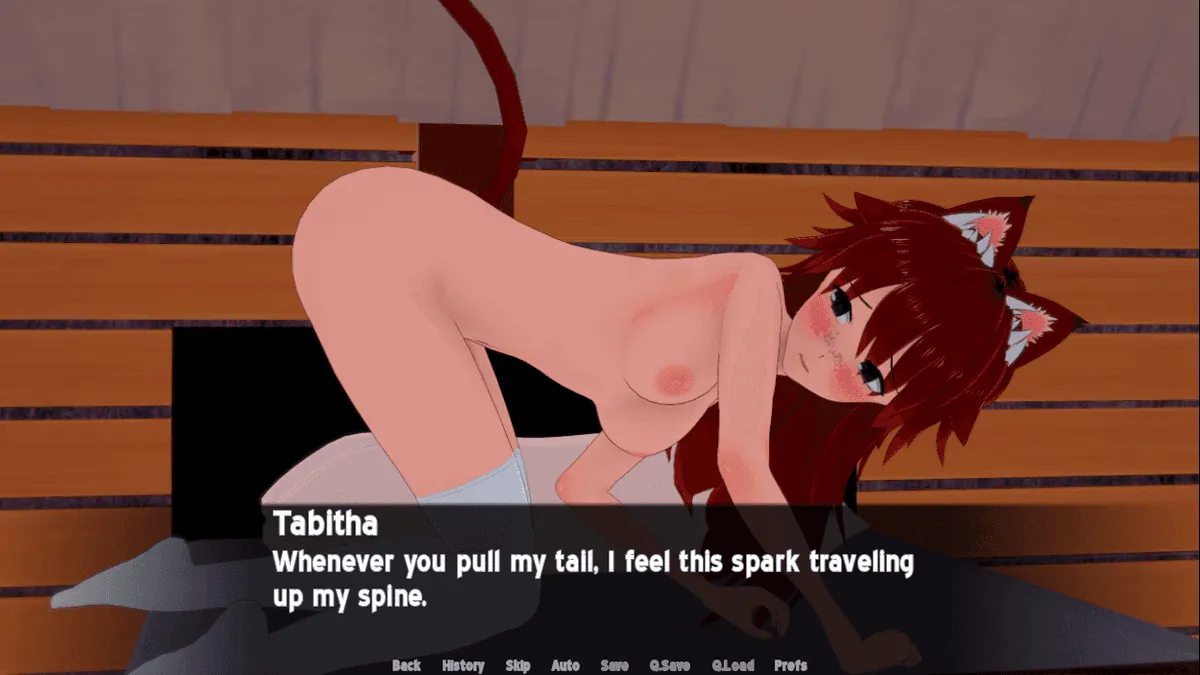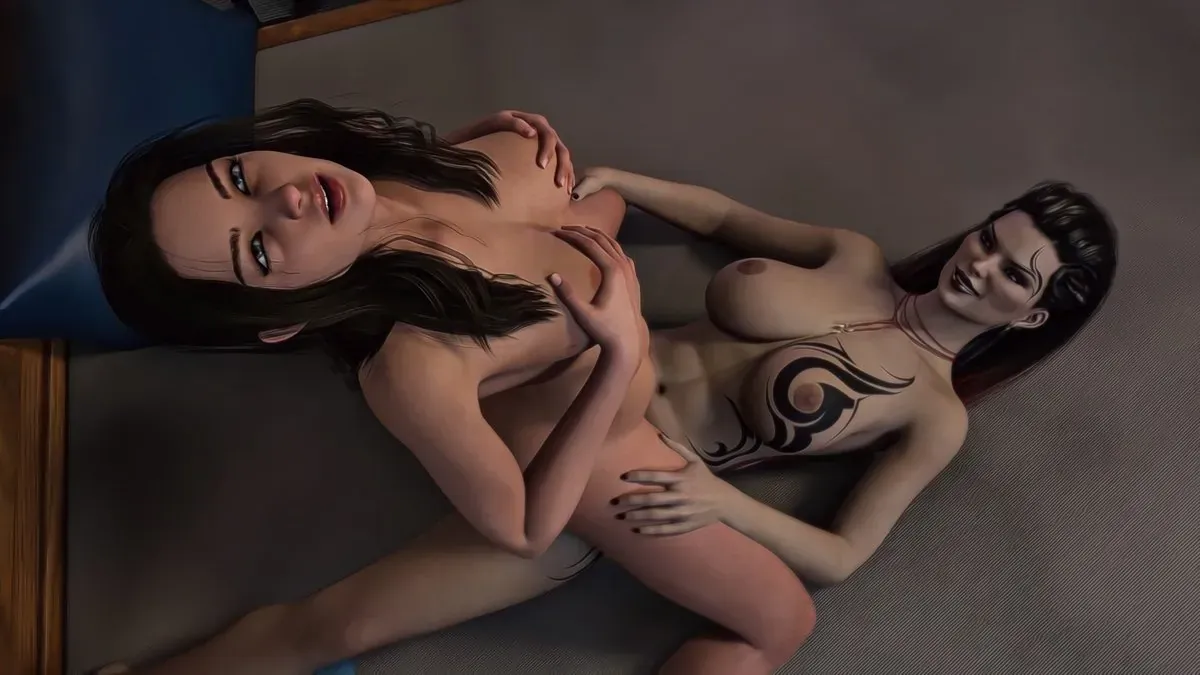
Zero End
Play Zero End
Zero End Screenshots

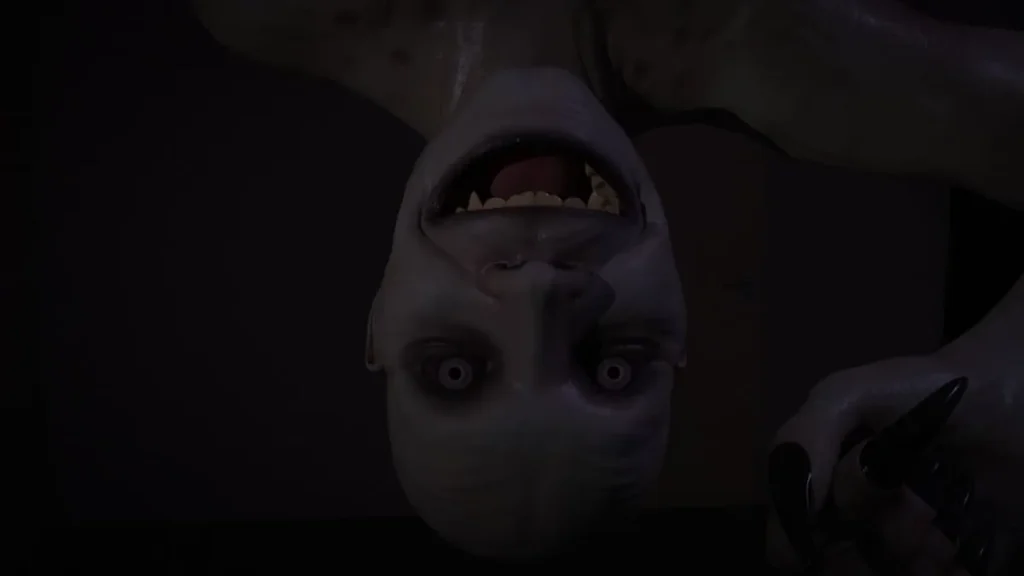



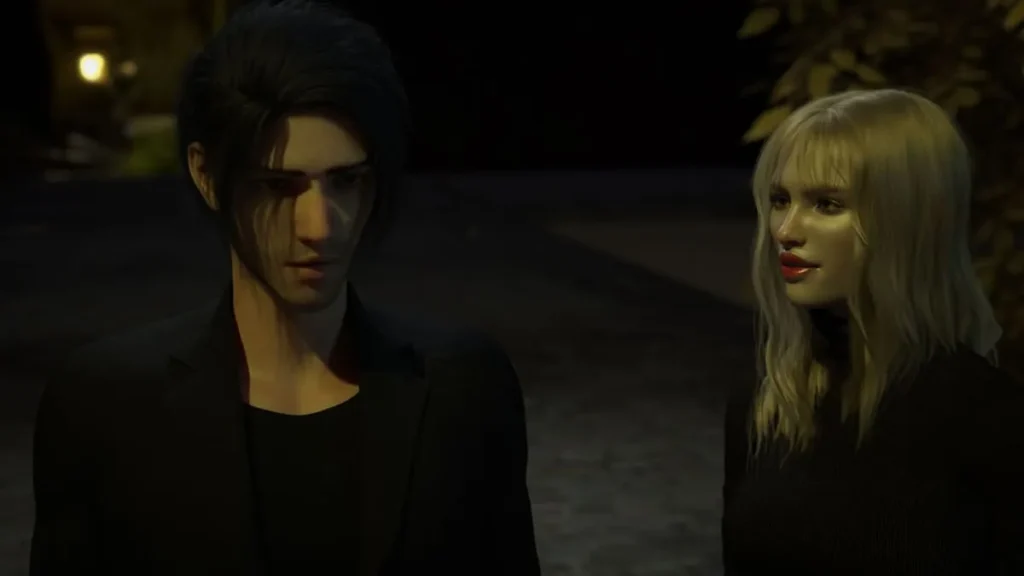
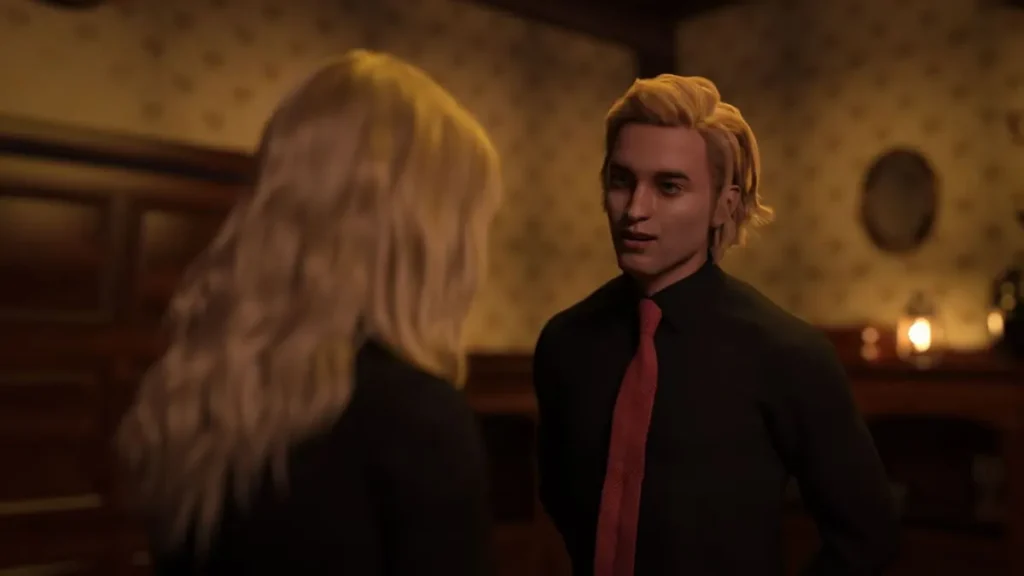
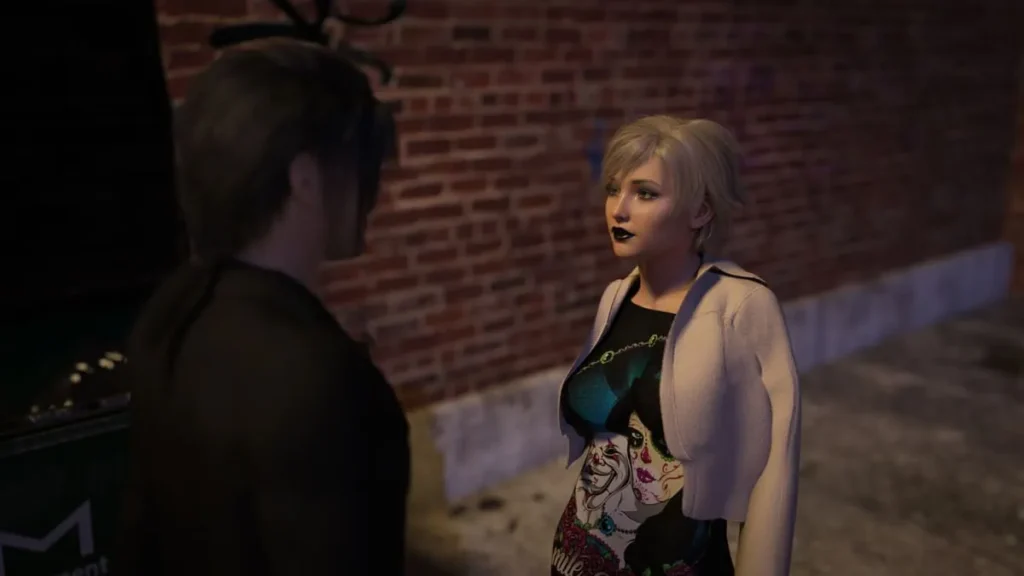


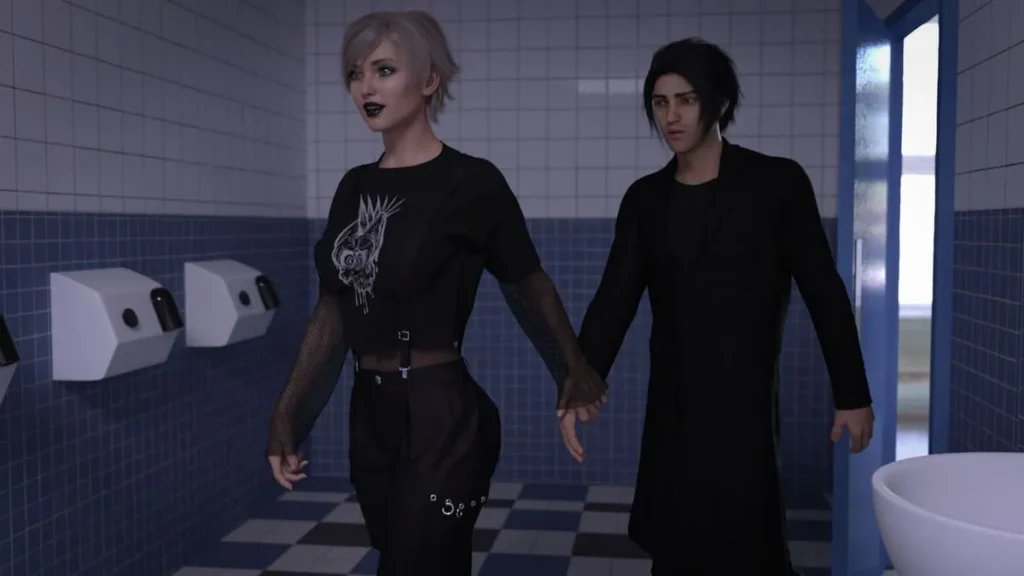



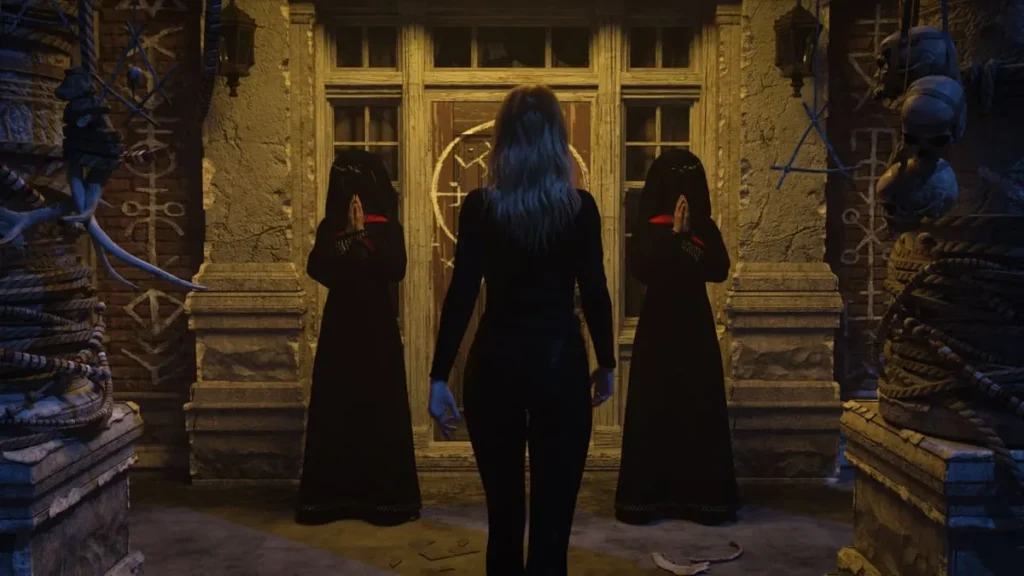


Zero End review
Explore the branching narrative, magic system, and choice-driven gameplay of this paranormal mystery adult game
Zero End stands out as a story-driven adult visual novel that combines paranormal mystery elements with complex interactive fiction mechanics. Developed by StolenRose and released in 2024, this game puts you in the shoes of Caleb Watson, an unconventional magician driven by an insatiable desire for truth. What sets Zero End apart is its sophisticated branching narrative system, emotional magic mechanics, and the way your choices genuinely reshape the story’s outcome. Whether you’re interested in visual novels, paranormal storytelling, or games with meaningful decision-making, Zero End offers a mature gaming experience that blends narrative depth with strategic gameplay elements.
Understanding Zero End: Core Gameplay & Story Foundation
Let’s be honest: most visual novels promise you a world of choice, but how often does it really feel that way? 🤔 You pick the “kind” option, get the “kind” ending. You flirt with the “mysterious” character, unlock their route. It can start to feel like painting by numbers. If you’ve ever been frustrated by the illusion of choice, where your decisions are just signposts on a single, predetermined highway, then Zero End is the game you’ve been waiting for. This isn’t your average romance-or-horror pick; it’s a deep dive into a paranormal mystery game that treats your intelligence—and your conscience—with respect.
At its heart, Zero End is an interactive fiction experience built on a simple, dangerous idea: every single thing you do matters. Not just in a “this unlocks a scene” way, but in a “this will fundamentally alter who lives, who dies, and what truths you can ever uncover” way. To understand this, we need to start with the man at the center of the storm: Caleb Watson.
Who is Caleb Watson and What Drives His Journey?
Meet Caleb Watson. On paper, he’s just another guy in a city that’s seen better days. But scratch the surface, and you find a walking contradiction—an unconventional magician with a power he can barely control and a mind that won’t leave a mystery alone. The Caleb Watson character isn’t a chosen one or a destined hero; he’s a seeker. He’s driven by an uncontrollable, almost self-destructive desire for truth.
Think of the gritty, chain-smoking cynicism of a Hellblazer protagonist, mixed with the personal fragility and looming dread you’d find in a classic like Divi-Dead. Caleb isn’t fighting to save the world; he’s trying to understand it, and in doing so, understand the eerie talents that have always set him apart. His magic isn’t about flashy fireballs. It’s subtle, often creepy, and drawn from a world of grimoire magic and half-remembered rituals. This pursuit of knowledge has a personal cost. Relationships strain under the weight of his obsessions. His sanity is a currency he spends freely. Playing as Caleb means wrestling with this drive yourself. Is uncovering the spectral secret behind a decades-old murder worth alienating your last friend? Is reading from a forbidden text worth the whispering voices that follow you home? The Zero End story choices you make are, in essence, Caleb’s choices, defining not just the plot but the very soul of the man you guide.
My first playthrough tip: Don’t try to play Caleb as a “good guy” or a “bad guy.” Play him as a curious guy. Follow your genuine intrigue, not a moral checklist. The results will be far more surprising and personal. 🕵️♂️
The Paranormal Mystery Setting and World-Building
The world of Zero End is a character in itself—a place where the mundane and the monstrous share a city bus. Drawing clear inspiration from the gothic-punk atmosphere of World of Darkness and the unsettling urban legends of Creepypasta, this paranormal mystery game presents a reality where magic is real, but it’s dark, costly, and often hidden in plain sight.
You won’t find grand wizarding academies here. Instead, you’ll find magic in the marginalia of a library book, in the distorted pattern of static on a dead TV channel, and in the unsettling quiet of a room that feels watched. The world-building is drip-fed through environmental clues, cryptic conversations, and Caleb’s own internal musings. As you investigate cases—a haunting tied to a forgotten news story, a series of disappearances linked to an online forum—you piece together a larger, more terrifying tapestry.
This setting is perfect for the branching narrative gameplay because the mystery itself branches. The clue you decide to follow (the testimony of a scared child versus the cold data of a police report) will lead you down entirely different investigative paths, revealing different facets of the truth and different horrors lurking in the city’s underbelly. The game masterfully builds a sense of pervasive dread, where every shadow could hold a secret and every Zero End story choice feels like stepping into the unknown.
Interactive Fiction Mechanics That Define the Experience
This is where Zero End truly separates itself from the pack. It takes the foundations of interactive fiction mechanics and builds a complex, reactive machine around them. Your agency is the engine.
The Spine of Choice: The Karma Web
Forget simple morality meters. Operating silently in the background is the game’s most ingenious system: the Karma Web. This is a hidden algorithm that doesn’t just track if you were “nice” or “mean.” It tracks everything. Who you trust. Which truths you prioritize. How you use your magic. Every dialogue selection, every investigative action, and every silent decision to walk away is a thread added to this web.
These threads connect in ways you can’t immediately see. That minor character you helped in Chapter 1 might become a crucial ally—or a bitter obstacle—in Chapter 4. The obscure ritual you performed to get a simple answer might quietly weaken a metaphysical barrier elsewhere in the city, leading to a demonic incursion you’ll have to deal with later. This is the butterfly-effect consequence system in action, making the branching narrative gameplay feel organic and deeply consequential.
Shaping Caleb: Stats and Specialization
Caleb isn’t a blank slate; he’s a specific person with strengths and weaknesses. But you guide how he grows through a nuanced stat progression system. These aren’t just combat numbers; they are reflections of his psyche and skills.
* Intellect affects your ability to solve puzzles, see through lies, and understand complex magical theory.
* Intuition helps you sense danger, pick up on subtle environmental clues, and understand people’s true motives.
* Resolve determines your mental fortitude against supernatural terror and your willpower in magical negotiations.
* Occult is your raw knowledge and practical skill with rituals and magical forces.
These stats open and close doors. A high Intellect might let you decipher a code and avoid a trap, while high Intuition might have simply told you the room was dangerous, allowing you to bypass it entirely. Furthermore, a class system (though “specialization” might be a better term) lets you lean into Caleb’s magical affinities. Will you focus on protective wards and binding rituals? Or delve into the riskier arts of spectral communication and perception? This choice filters the magical solutions available to you, further personalizing your investigative style.
A Living Narrative: The Impact of Your Choices
Let’s look at a real example of how this all coalesces.
Gameplay Example: Early on, you and a friend, Alex, are investigating a haunted archive. You find Alex cornered by a minor, predatory spirit. You have a moment to act.
* Choice A (High Occult): Attempt a complex banishing ritual from a book you studied.
* Choice B (High Resolve): Stand your ground, shouting a command of pure will to shield Alex.
* Choice C: Grab Alex and run, leaving the spirit and the clues in the room behind.Let’s say you succeed with Choice A. You save Alex and gain their deep gratitude (+1 to “Alex Loyalty” thread in the Karma Web). You also gain a rare spectral residue as a clue.
Consequences, 5 Chapters Later: That “Alex Loyalty” thread means when you’re later accused of a magical crime, Alex lies to the authorities to protect you, putting themselves at risk. The spectral residue clue allows you to identify the spirit’s master, leading you to a powerful occultist. However, because you banished the spirit instead of destroying it, its master is aware of your interference and sends a more powerful entity after you.Had you chosen Choice C and run, Alex might have been injured, creating a “Resentment” thread. They may later refuse to help you, forcing you to find a more dangerous ally. You’d miss the spectral clue, but you’d also remain unknown to the occultist, changing the entire final act of that mystery arc.
This is the power of Zero End story choices. It’s not about picking a “route”; it’s about living with the intricate, often unforeseen results of your actions.
| Feature | Typical Visual Novel | Zero End Visual Novel |
|---|---|---|
| Choice Impact | Often linear; choices select predefined routes (Romance A, B, or C). | Dynamic, systemic; every choice feeds a hidden “Karma Web” creating unique, cascading consequences. |
| Magic Integration | Rare, or a superficial power fantasy. | Core to gameplay and narrative; a dangerous, costly tool tied to a stat progression system and character specialization. |
| Narrative Structure | Branch-and-bottleneck; branches eventually merge back to key plot points. | Organic branching narrative gameplay; mysteries unfold differently based on clues found and paths taken, with minimal forced convergence. |
| Player Role | Observer/Director, guiding a character through a story. | Investigator/Conscience, embodying Caleb Watson’s drive and directly shaping the world’s truth. |
| Emotional Depth | Derived from character relationships and plot reveals. | Derived from personal accountability and the weight of consequences from interactive fiction mechanics. |
The Road Ahead: Combat and Puzzles
It’s worth noting that the developers envision this deep narrative framework as a foundation. While the current core of Zero End is investigation, dialogue, and choice, the design allows for the integration of more direct combat and puzzle-solving mechanics in future releases. Imagine using your accrued Occult knowledge not just to identify a demon, but to engage in a tense ritualistic battle of wills, where your previous choices determine your available strengths and weaknesses. The existing stat progression system is already built to support this evolution, making your build choices even more meaningful.
The magic of Zero End isn’t just in its spells and specters. It’s in the profound connection it forges between you and its world. By marrying a compelling, flawed protagonist in Caleb Watson to a universe of dark mystery and a groundbreaking suite of interactive fiction mechanics, it creates a rare kind of paranormal mystery game. One where you don’t just watch a story unfold—you live it, you bleed for it, and you are forever marked by its consequences. Your curiosity, your caution, and your courage write the only ending that matters: yours. ✨
Zero End represents a significant evolution in narrative-driven adult gaming, combining sophisticated storytelling with meaningful player agency. The game’s paranormal mystery setting, emotion-based magic system, and extensive branching narrative create an experience that rewards exploration and multiple playthroughs. With over 12 endings and 40+ branching paths, players genuinely shape Caleb Watson’s journey and the fates of those around him. Whether you’re drawn to complex character relationships, strategic decision-making, or immersive paranormal storytelling, Zero End delivers a mature gaming experience that respects player intelligence and choice. The hidden Karma Web algorithm ensures that every decision—no matter how small—carries potential significance, making each playthrough feel fresh and consequential. If you’re seeking a visual novel that goes beyond surface-level choices to create a truly interactive narrative experience, Zero End is worth exploring.