
Grandma’s House
Play Grandma’s House
Grandma’s House Screenshots







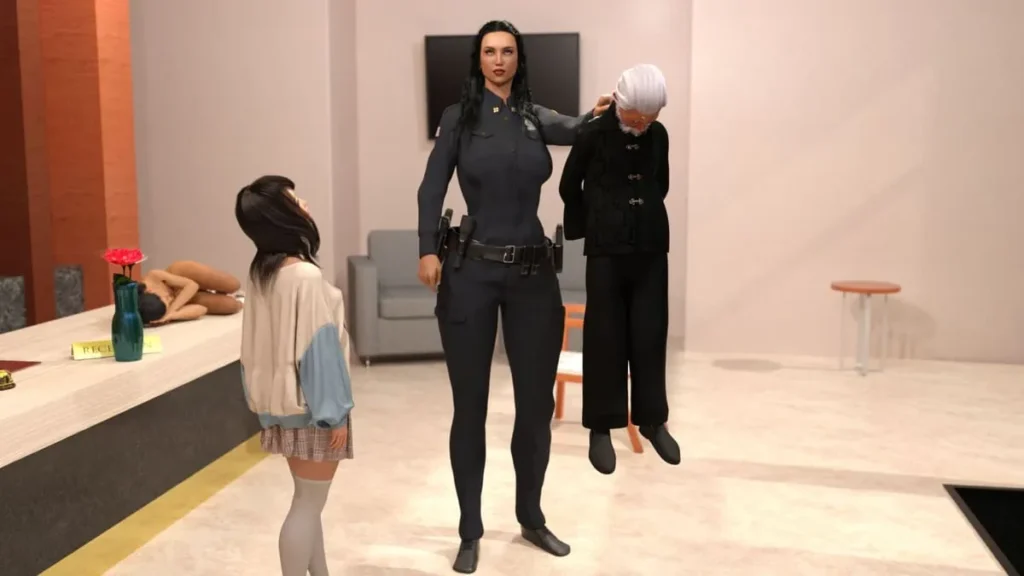










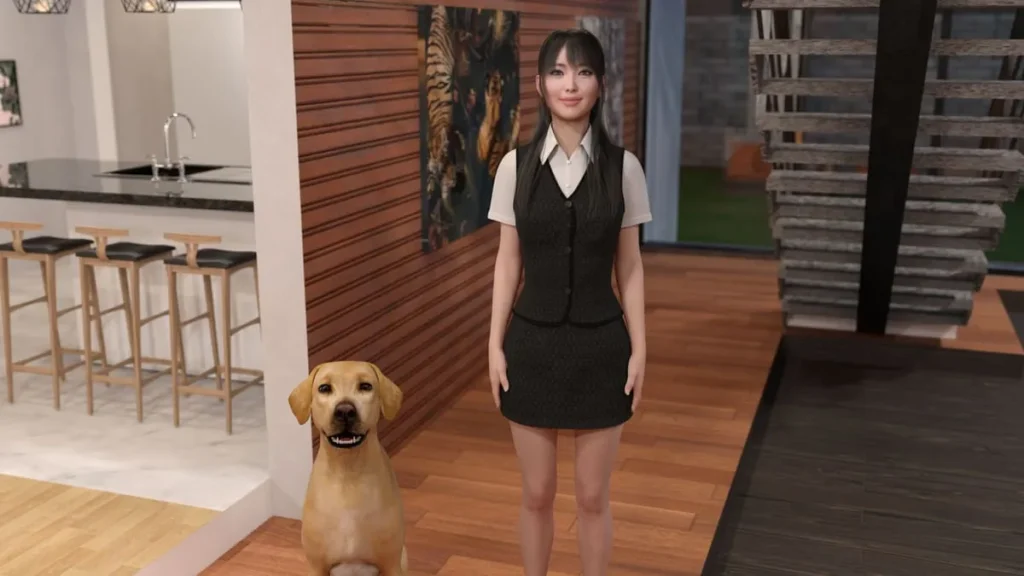



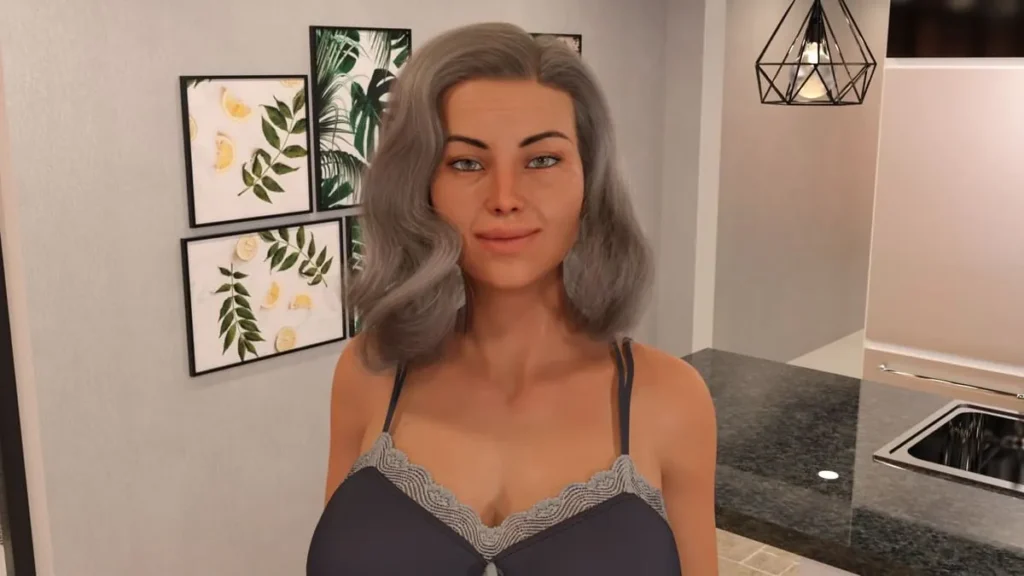



Grandma’s House review
Master gameplay mechanics, character relationships, and progression in this narrative-driven experience
Grandma’s House stands out as a narrative-driven adult visual novel that prioritizes character development and relationship building over rushed content. Developed by MoonBoxGames, this game features a unique approach where relationships develop naturally over time, with characters like Allie and Polly requiring genuine trust-building before intimate scenes occur. Whether you’re new to the game or looking to optimize your playthrough, understanding the core mechanics, character dynamics, and progression systems is essential for a fulfilling experience. This comprehensive guide covers everything you need to know about gameplay, character interactions, and strategic decision-making.
Gameplay Mechanics & Core Systems
Ever loaded up a new game, clicked through dialogue like you’re swiping on your phone, and then suddenly hit a wall where nothing you do seems to work? 😅 That was me during my first summer in Grandma’s House. I thought I was being charming, texting everyone at all hours and offering gifts willy-nilly. But then Polly stopped replying, Charlie got weirdly formal, and I was stuck, watching the in-game days tick by with no new scenes unlocking. I’d totally misunderstood the core Grandma’s House gameplay mechanics. This isn’t a click-and-win visual novel; it’s a delicate, living simulation where your smartphone is your lifeline, time is your most precious resource, and every “Good morning 😊” text builds the foundation for your story.
Mastering this experience means understanding its interconnected systems. Let’s break down the essentials so you can navigate your summer romance without the awkward silences I created.
Understanding the Interface and Navigation
At first glance, the interface seems deceptively simple. You’re looking at a beautifully rendered environment—Grandma’s cozy house, the sunny patio, the lush garden. But the true heart of the Grandma’s House gameplay mechanics beats in your pocket: your smartphone. 📱 This isn’t just for show; it’s your primary tool for interaction, information, and strategy.
The phone’s menu is your command center. Here’s what you’ll live by:
- The SMS App: This is where 90% of your relationship development happens. You can initiate chats, reply to messages, and send pictures. Timing and choice matter immensely here.
- The Character Profile Screen: Ever wondered, “Does Polly even like me?” This screen holds the answers. It’s where you’ll see a character’s current mood, your relationship level, and crucially, your trust stat with them. This is the numerical backbone of the character relationship system.
- The Inventory: Found a weird trinket in the attic? Picked some flowers? It all goes here. The inventory system is key for gifts and for certain story triggers. Some items are generic, while others are specific to a character’s personal arc.
- The Map & Time Display: This is your strategic overview. It shows you where characters are located at the current in-game time and lets you fast-forward to key hours. Understanding this flow is critical to the game’s time-based progression.
Navigation is all about intentionality. You don’t just wander; you plan. You might see that from 2:00 PM to 4:00 PM, Sarah is usually painting in the garden. If you want to talk to her, you need to be there during that window. The game world operates on a schedule, and your success hinges on learning it.
Pro Tip: Check your phone constantly! New message notifications don’t always pop up automatically. A conversation started at the right moment can unlock an entire afternoon event.
Character Relationship Mechanics and Trust Building
If there’s one thing to tattoo on your gaming brain before playing, it’s this: Trust is everything. ❤️ You can’t just barrage a character with compliments and expect love. The character relationship system in Grandma’s House is built on a foundation of believable human connection, and that starts with trust building mechanics.
Each character has a hidden “Trust” stat that ranges from 0 to 100. This isn’t affection or love; it’s how much they believe you’re a genuine, reliable person. Your choices in dialogue—both in person and via text—directly impact this number. Agreeing to keep a secret, following through on a promise, or offering support during a vulnerable moment will boost trust. Being flaky, judgmental, or pushy will erode it.
This creates vastly different pacing for each character routes and paths. Let’s use the classic example:
- Polly is guarded and has been hurt before. Her route is a slow burn. She tests you. Quick, flirty texts might actually lower her trust. She values meaningful conversation, space, and consistency. You might need several in-game days of friendly, supportive interaction before her trust stat is high enough for her to share something personal or agree to a one-on-one hangout.
- Contrast this with a character like Charlie, who is more outgoing and open. While trust is still crucial, his baseline might be higher, and he may respond more immediately to playful, confident interactions. His route might feel like it’s moving faster initially.
This is your relationship stats guide in a nutshell: Watch the Profile Screen. A character’s “Mood” (Happy, Thoughtful, Annoyed) is a immediate clue. The relationship level (Stranger, Acquaintance, Friend, Close Friend, etc.) is the milestone you’ve reached. But the driving force behind unlocking those milestones is the invisible trust number.
The game brilliantly ties its inventory system into this. Giving a gift is a powerful trust building action, but only if it’s thoughtful. Giving Sarah a book on gardening when she’s expressed interest in it? Huge trust boost. Giving her the same book after she told you she hates manual labor? You’ve just wasted an item and likely hurt your standing.
| Character | Key Trust Requirements | Typical Time Investment (In-Game Days) | Key Relationship Milestones |
|---|---|---|---|
| Polly | Respect for boundaries, consistency, emotional support | 7-10+ days | Opening up about past, accepting a private invitation, physical intimacy |
| Charlie | Shared humor, confidence, spontaneity | 4-7 days | Sharing personal ambitions, initiating secret meetings, deeper emotional connection |
| Sarah | Intellectual curiosity, patience, appreciation for her art | 5-9 days | Discussing her creative process, visiting her special painting spot, becoming her muse |
| Mark | Directness, shared activities, proving your independence | 6-8 days | Asking for training/help, earning his respect, challenging him personally |
Progression Systems and Time Management
This is where the rubber meets the road. All that knowledge about trust and characters is useless if you can’t manage the game’s single most pressing resource: Time. ⏳ The time-based progression system means every choice has an opportunity cost. The summer is finite, and characters are only available at specific times.
A standard in-game day is broken into blocks (Morning, Afternoon, Evening, Late Night). Most story-driven interactions and character events are only available during specific blocks. You might have a tender moment with Polly in the evening on the porch, but you’ll only find Charlie for a serious chat during a lazy afternoon by the lake.
This demands strategy, especially if you’re exploring multiple character routes and paths.
- Pacing is Key: You can’t max out a relationship in two days. Characters need time to “process” off-screen. After a deep conversation, they might be less available the next day, simulating the natural ebb and flow of a real connection. Pushing too hard leads to burnout (for them and you!).
- The Consequence System: Your choices lock and unlock possibilities. Spending Wednesday afternoon helping Sarah means you cannot be at the garage with Mark. Telling one character a secret may prevent you from discussing that topic with another. The game remembers everything, weaving your unique tapestry of friendships and romances. Some character routes and paths are mutually exclusive, while others can intertwine in complex, sometimes dramatic, ways.
- Inventory Upgrades & Secrets: Remember that inventory system? Some items are keys—literally and figuratively. Guides often mention a “snooper” upgrade. This isn’t about cheating; it’s a craftable or findable item that unlocks new interactive points in the environment, often revealing backstory or alternative ways to solve problems. Managing your inventory isn’t just hoarding; it’s preparing for puzzles and pivotal moments.
My biggest “Aha!” moment was realizing I needed to play the long game. Instead of trying to see everyone every day, I’d focus on one or two characters per day, using the time skip function intelligently. I’d save before sending a risky text, and I’d always check a character’s mood before launching into a deep conversation. The Grandma’s House gameplay mechanics reward patience and observation.
The Golden Rule: Think of each in-game day as a chapter in a book. You can’t write the climax on page two. Let the relationships breathe, and let the time-based progression work for you, not against you.
FAQ: Common Gameplay Questions
Q: I keep missing characters! How do I know when they’re available?
A: Pay attention to patterns! Characters have loose schedules. Use your first few days to observe. The map on your phone shows who is where in real-time. Most characters have “prime time” windows (e.g., mornings in the kitchen, afternoons at their hobby spot). Write them down if you have to!
Q: How do I unlock specific intimate or special scenes?
A: Almost all special scenes are hard-gated by two things: a minimum Trust stat and a specific relationship level (e.g., “Close Friend”). You also often need to have triggered prior story flags (key conversations). If a scene isn’t unlocking, you likely need to step back and build more genuine connection over time. Check your character profile screen for clues.
Q: Can I pursue multiple characters at once?
A: You can interact with multiple characters, but pursuing deep, romantic character routes and paths simultaneously is very tricky. Characters may become jealous or distant if they feel you’re not being sincere. The game is designed for focused, authentic relationships. For a first playthrough, I recommend dedicating your summer to one primary connection.
Q: What happens if I run out of time before reaching a relationship goal?
A: The summer ends, and your story concludes based on the connections you’ve made. There isn’t a traditional “game over.” You might get a bittersweet ending as friends, or a promise to keep in touch. This makes your planning and the time-based progression feel meaningful and impactful.
By embracing these interconnected systems—the strategic phone use, the patient trust-building, and the mindful management of your fleeting summer days—you transform from a passive player into an active architect of your own heartfelt story. That’s the true magic of Grandma’s House’s design. Now go on, your summer awaits. ☀️
Grandma’s House offers a refreshing take on adult visual novels by emphasizing character development and meaningful relationship progression over instant gratification. The game’s strength lies in its patient approach to storytelling, where characters like Allie and Polly develop naturally, creating more satisfying long-term narratives. Understanding the relationship mechanics, time-based systems, and decision consequences allows players to craft personalized experiences aligned with their preferred character routes. Whether you’re drawn to the slower-burn relationships or characters with more immediate chemistry, mastering these core systems enhances your overall enjoyment. Take your time exploring different choices, pay attention to character dialogue and preferences, and remember that the most rewarding relationships in Grandma’s House are those built on genuine trust and understanding rather than rushed progression.