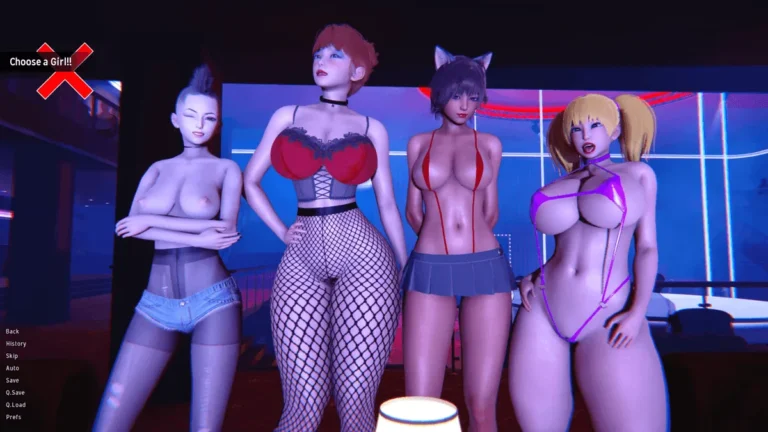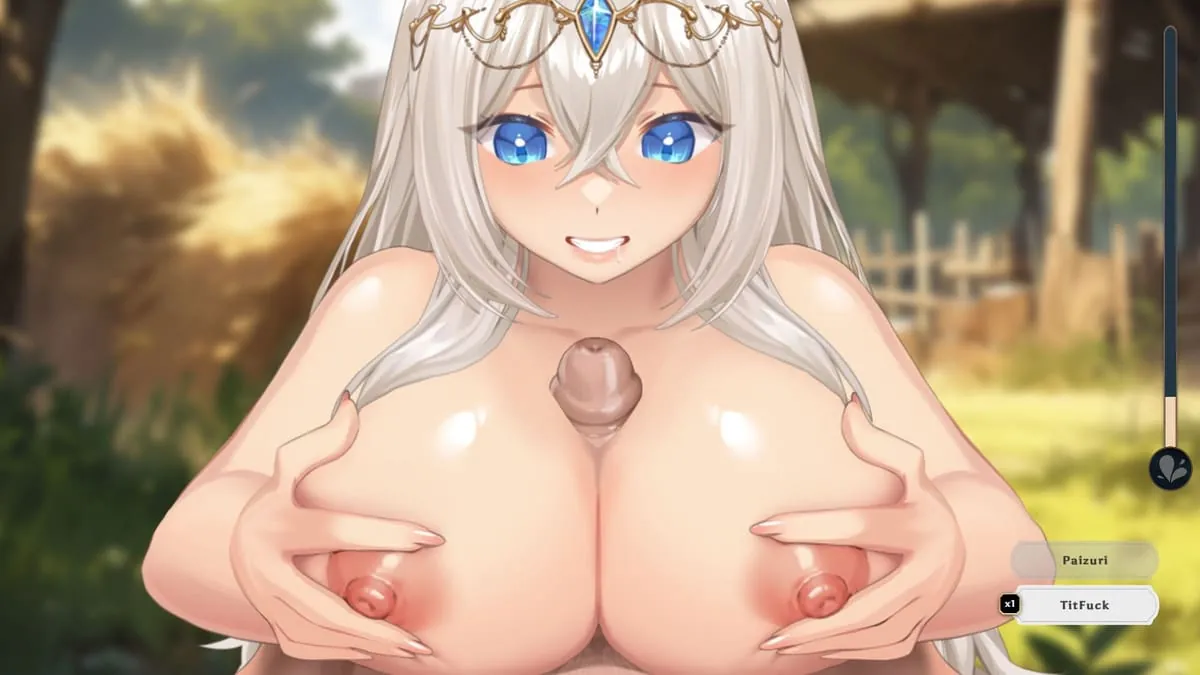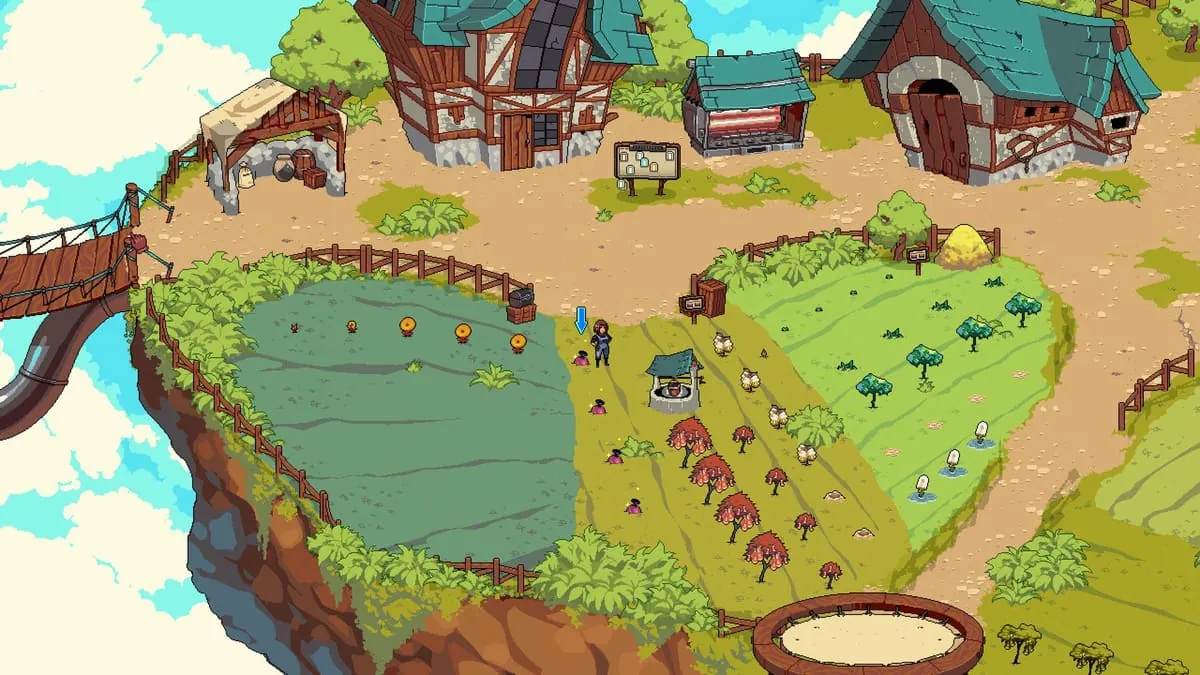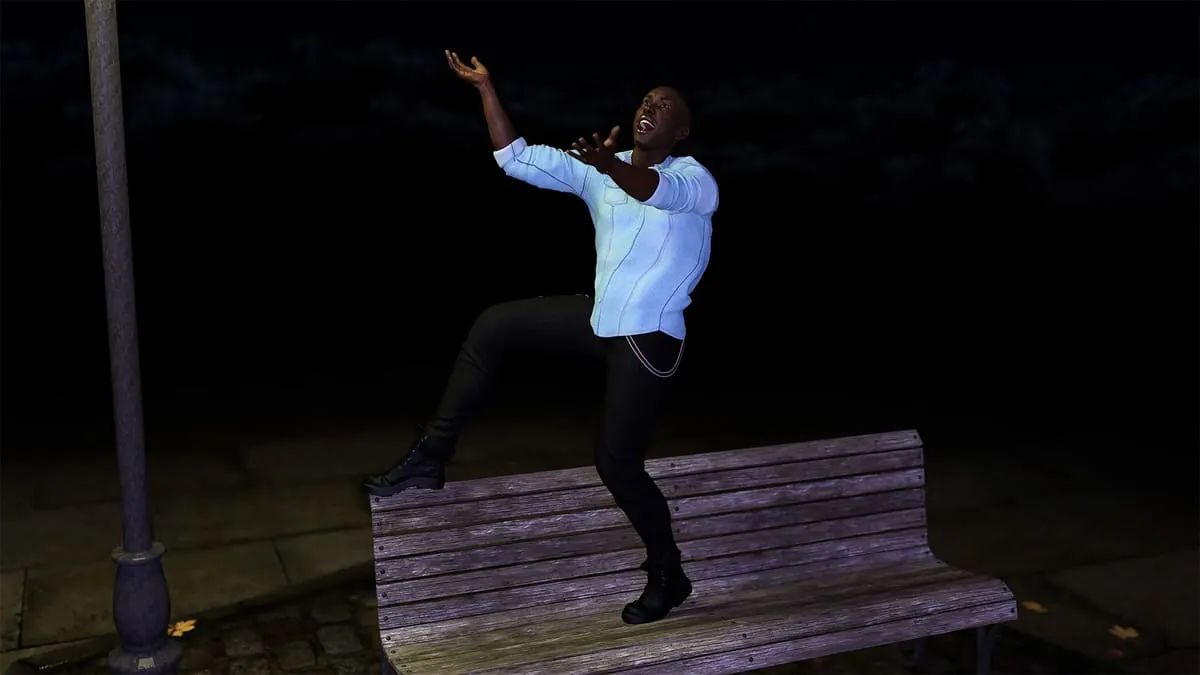
The Sin Within
Play The Sin Within
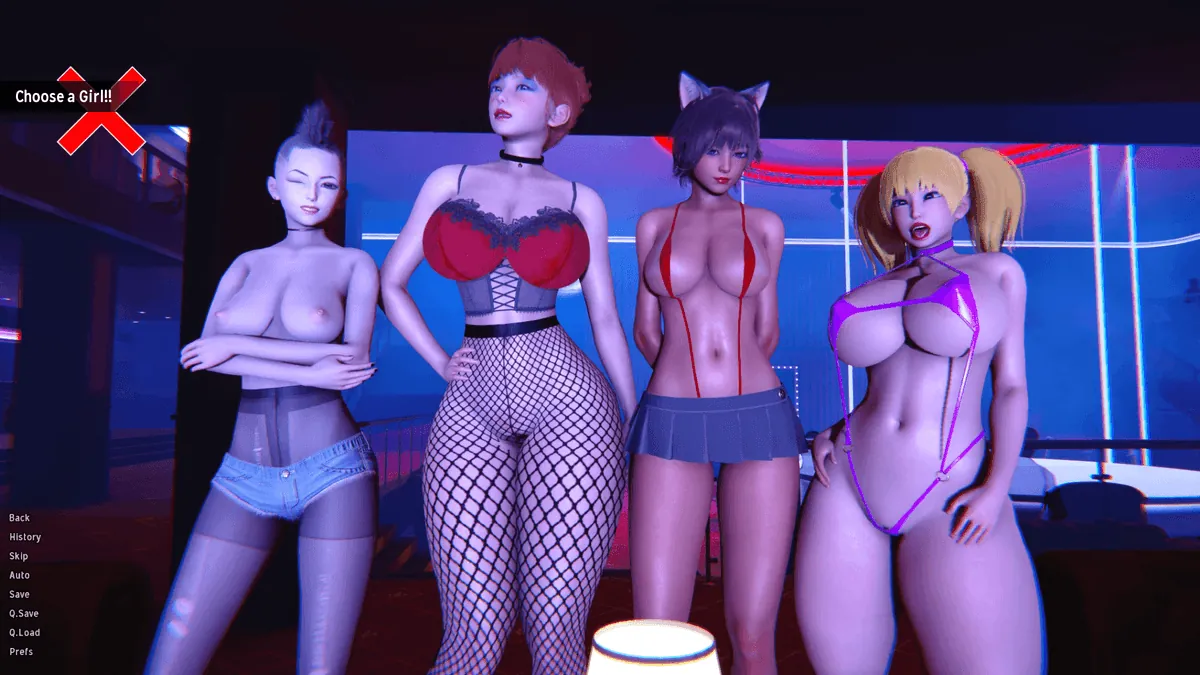
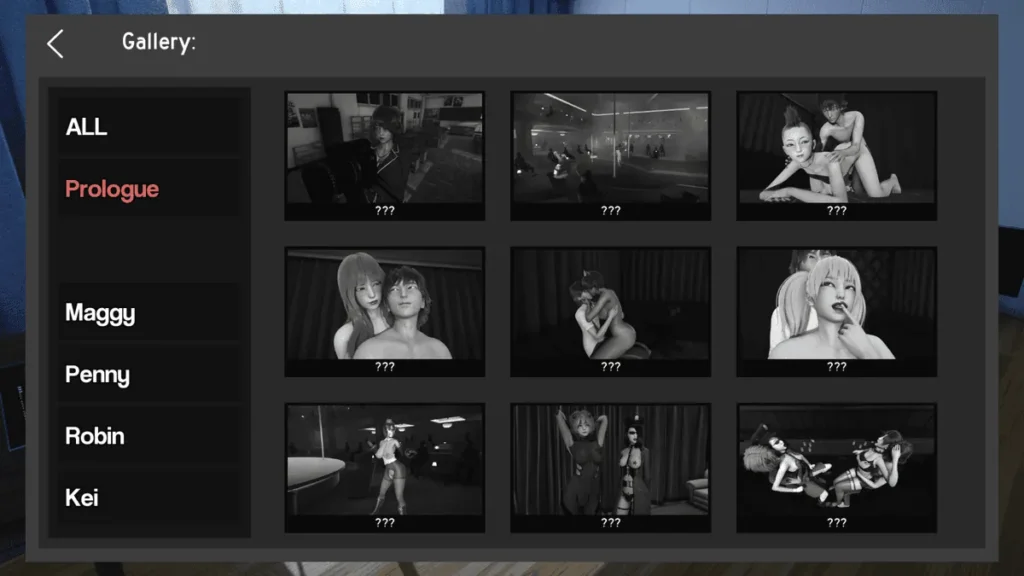
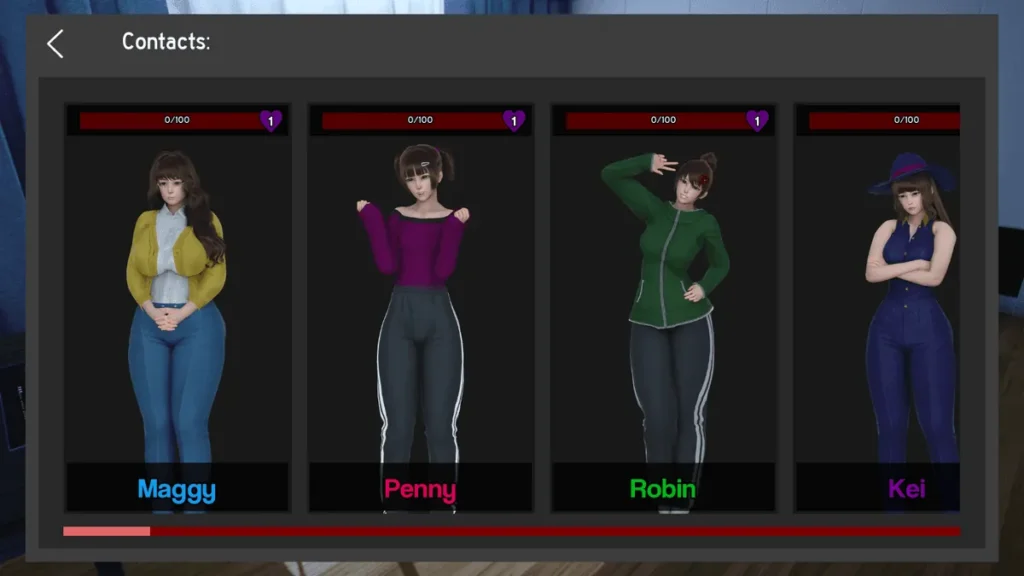
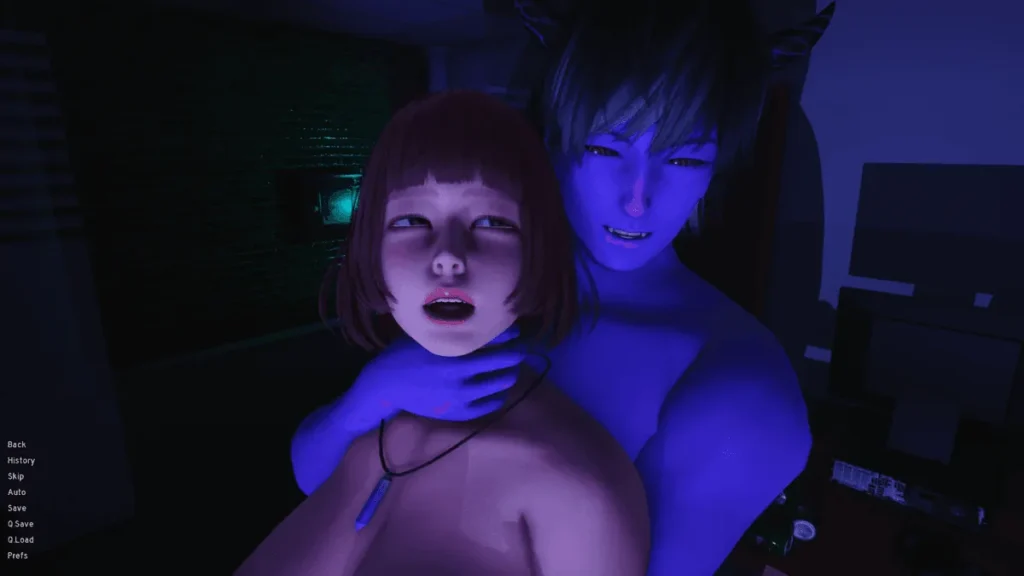
The Sin Within Screenshots
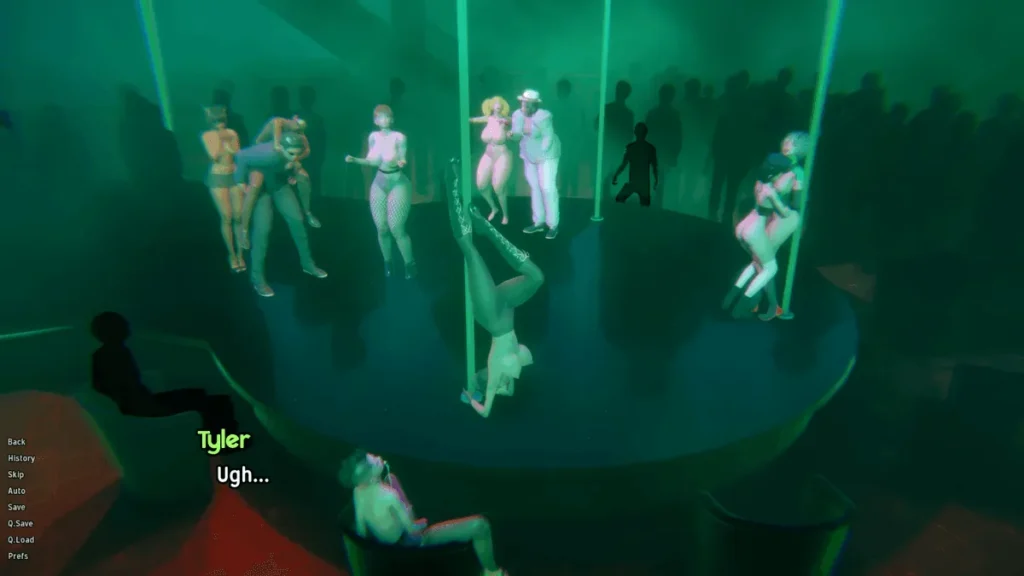
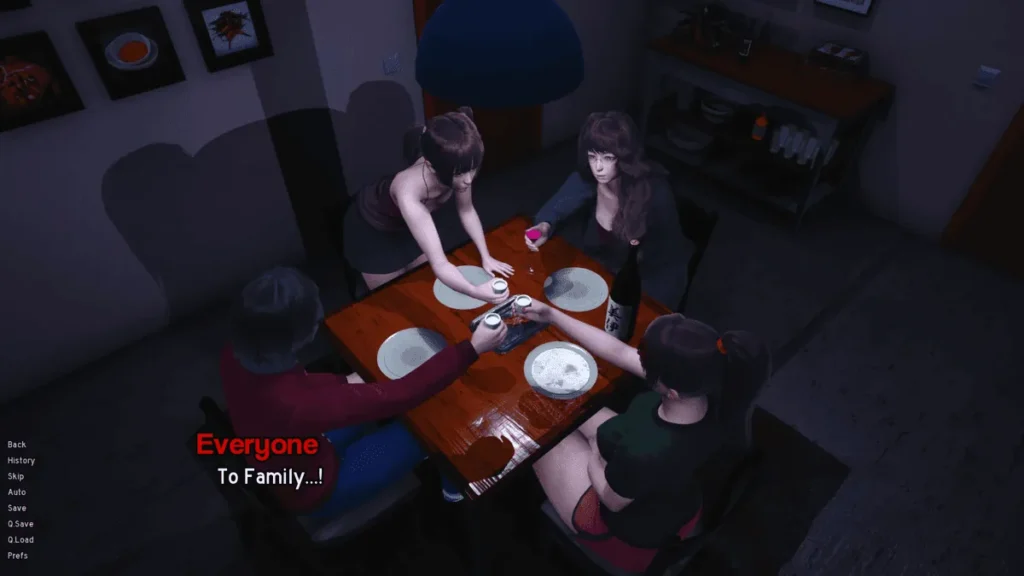
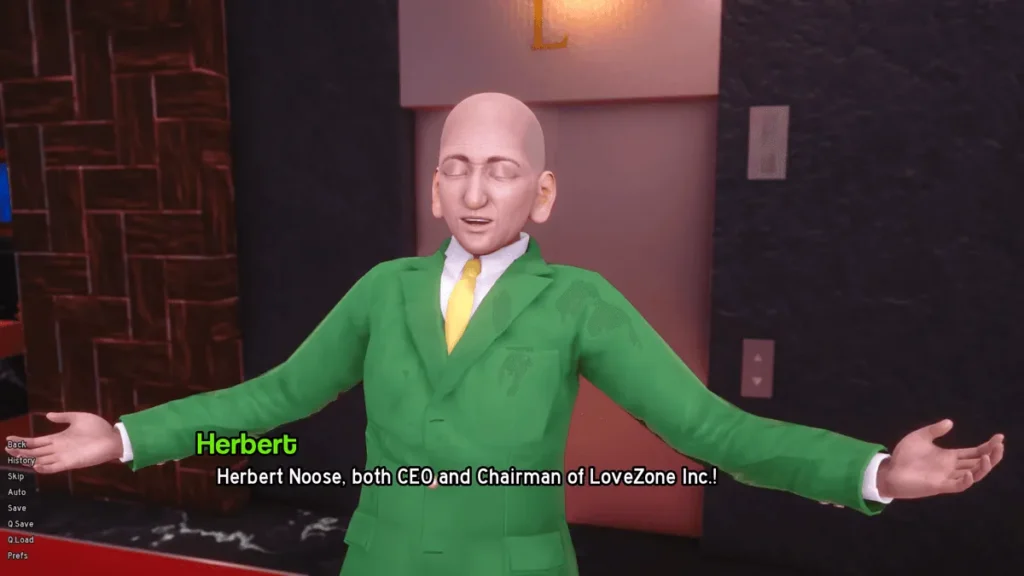
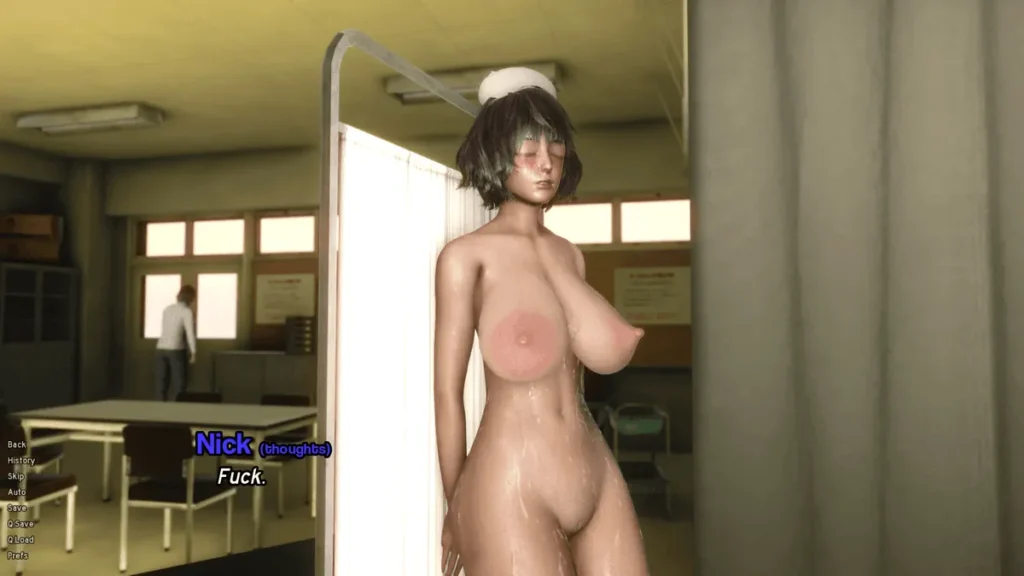
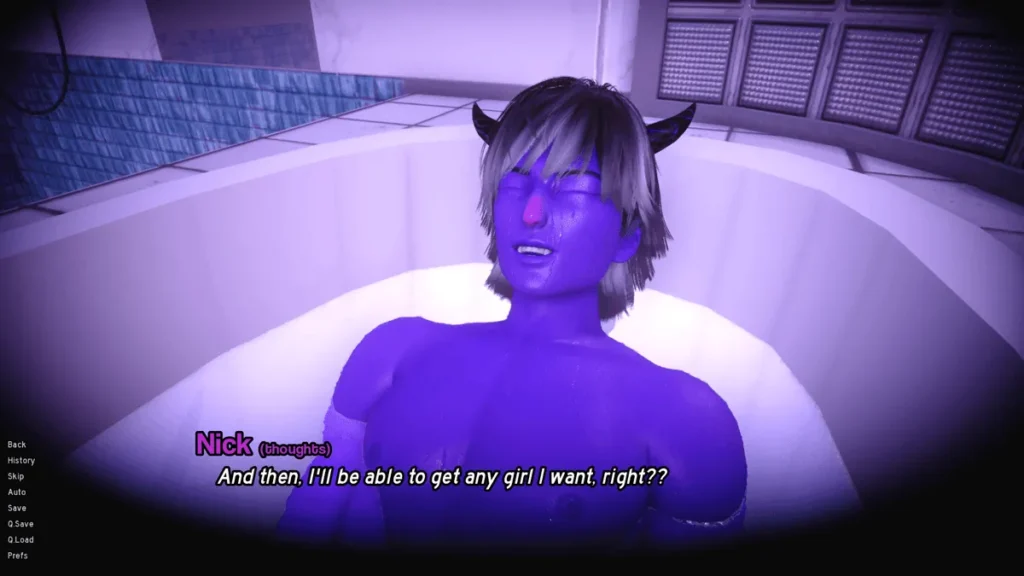
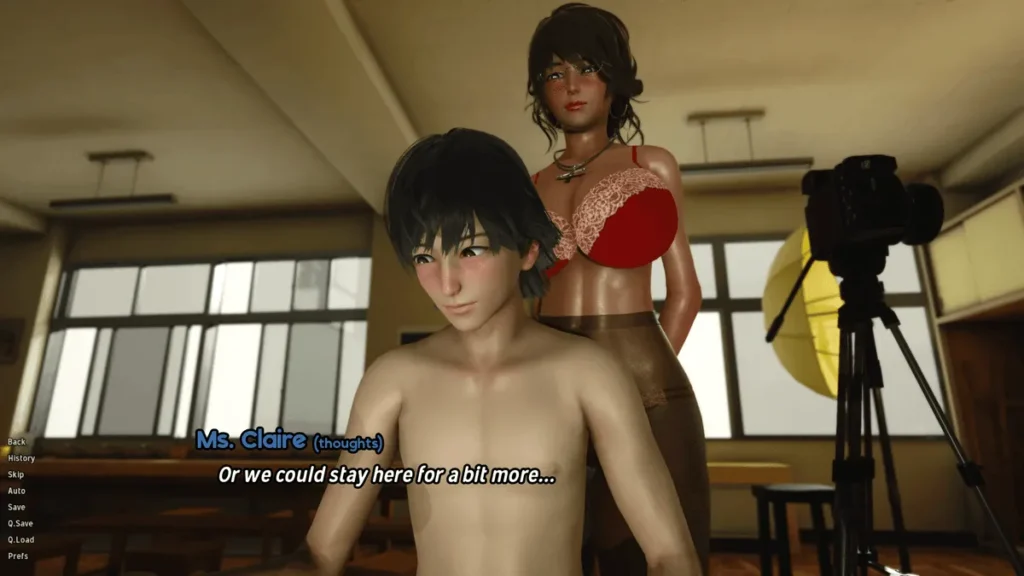
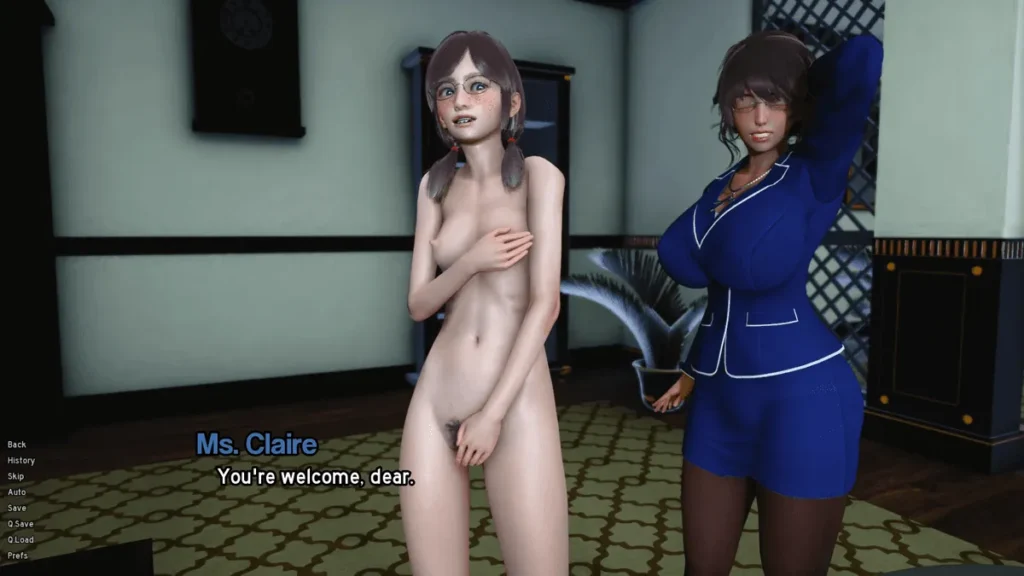
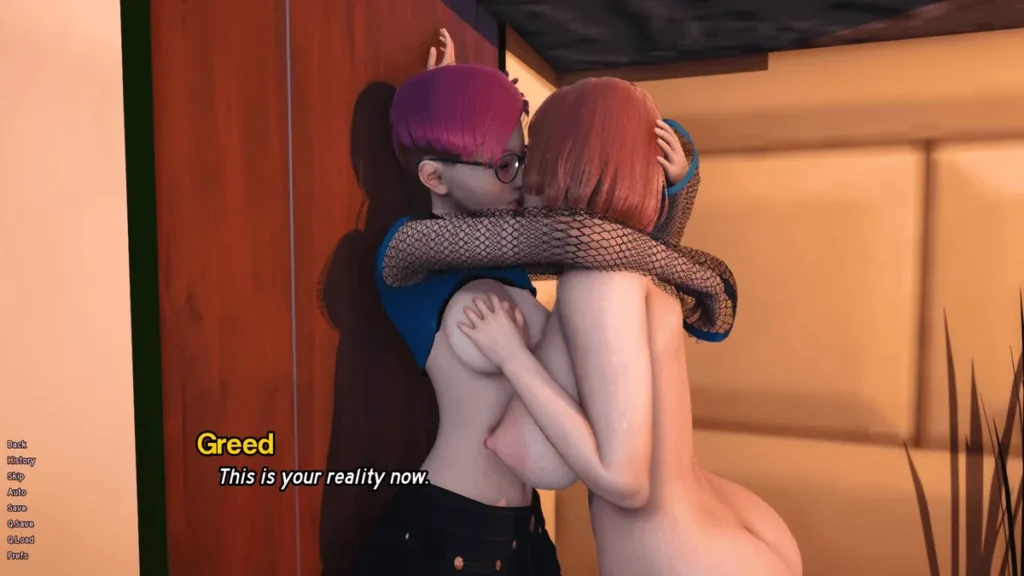
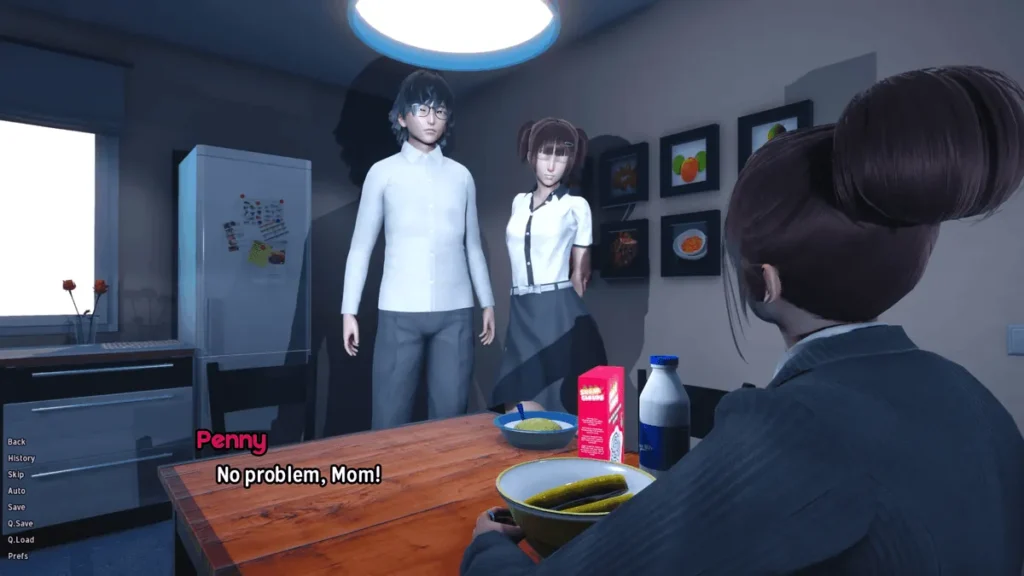
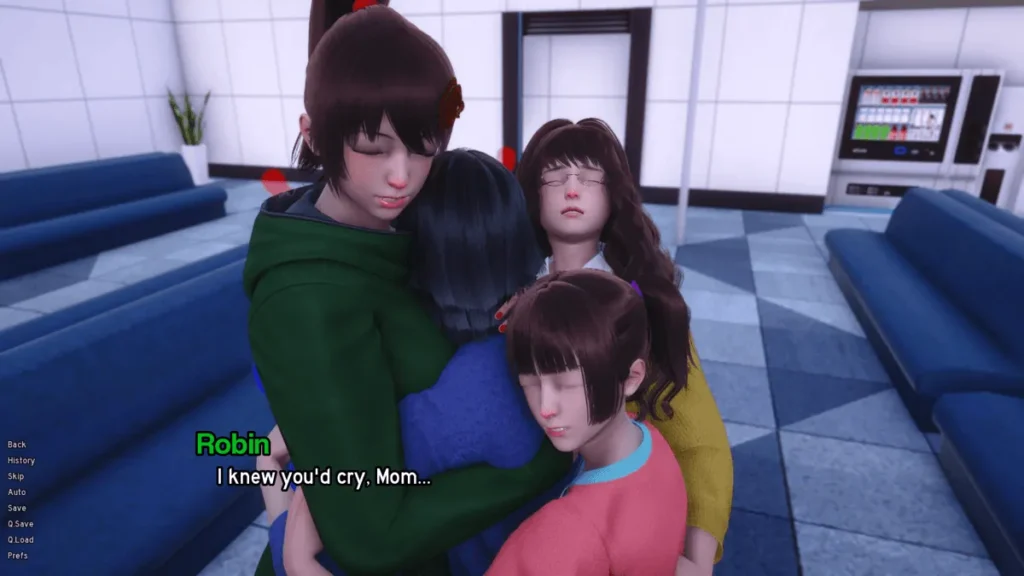
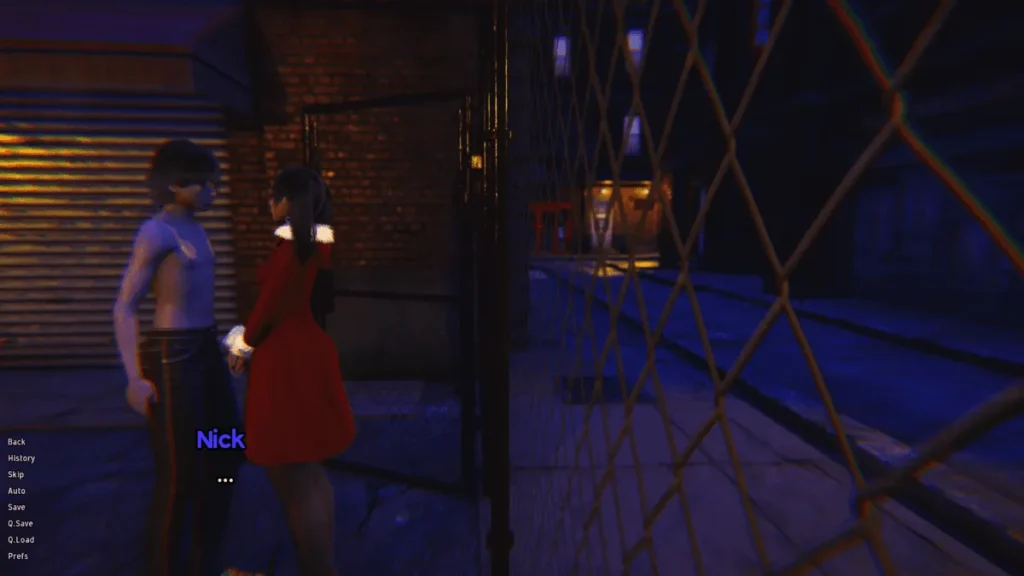
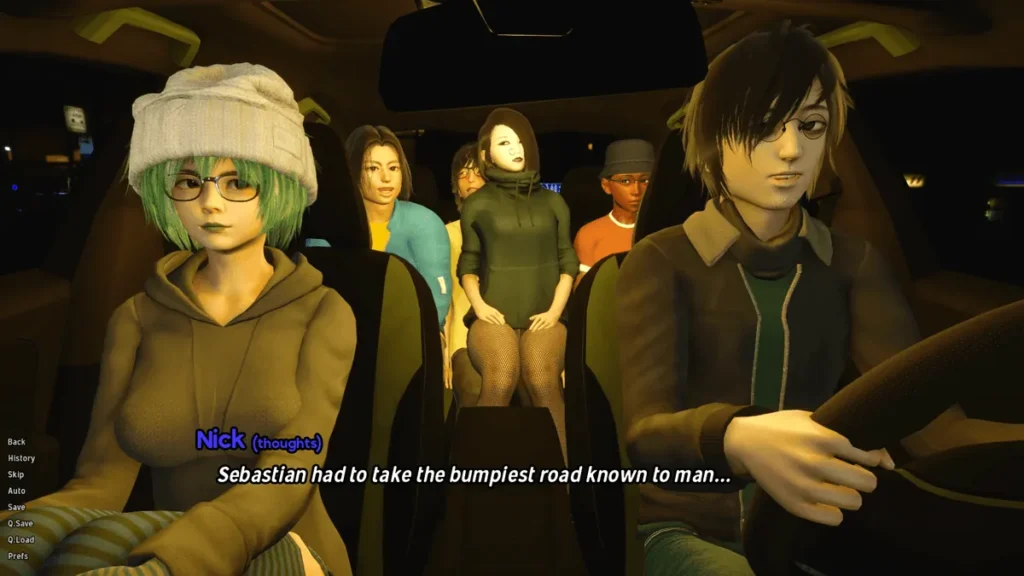
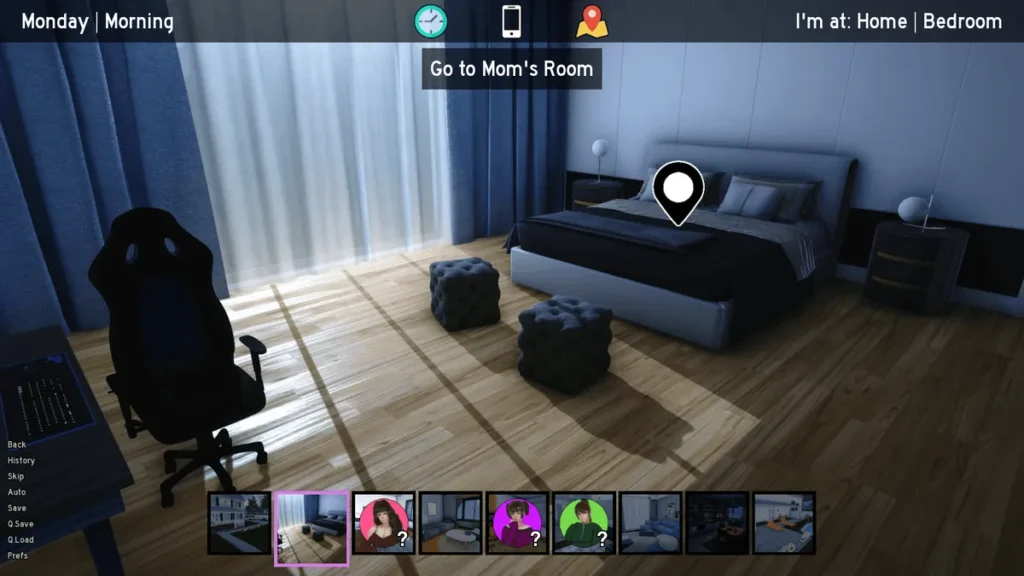
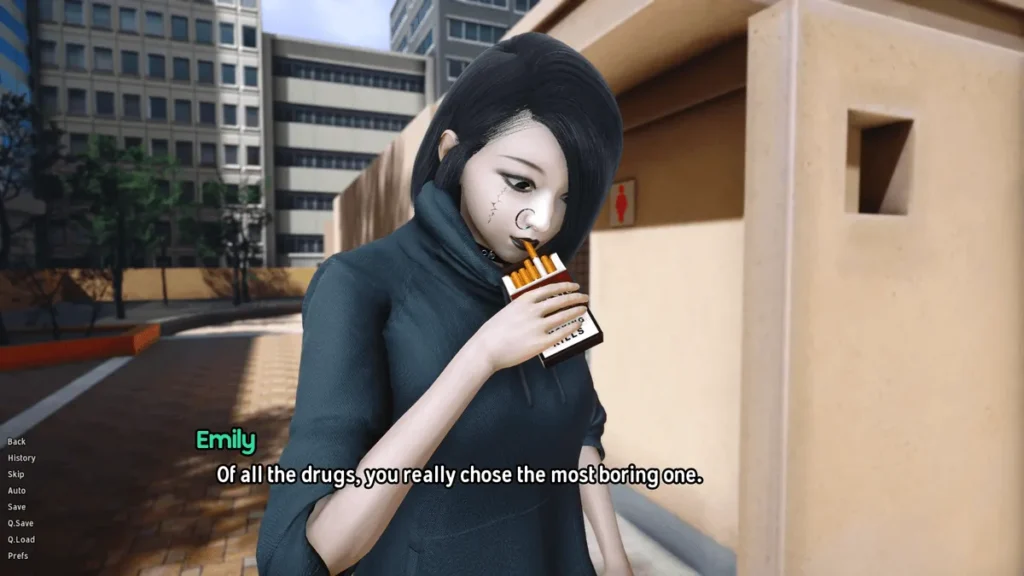
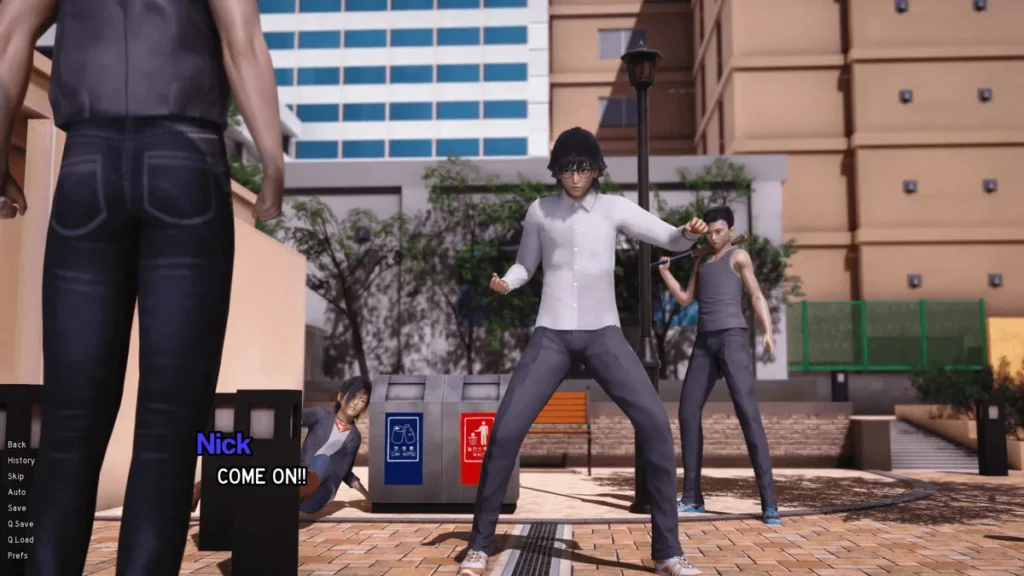
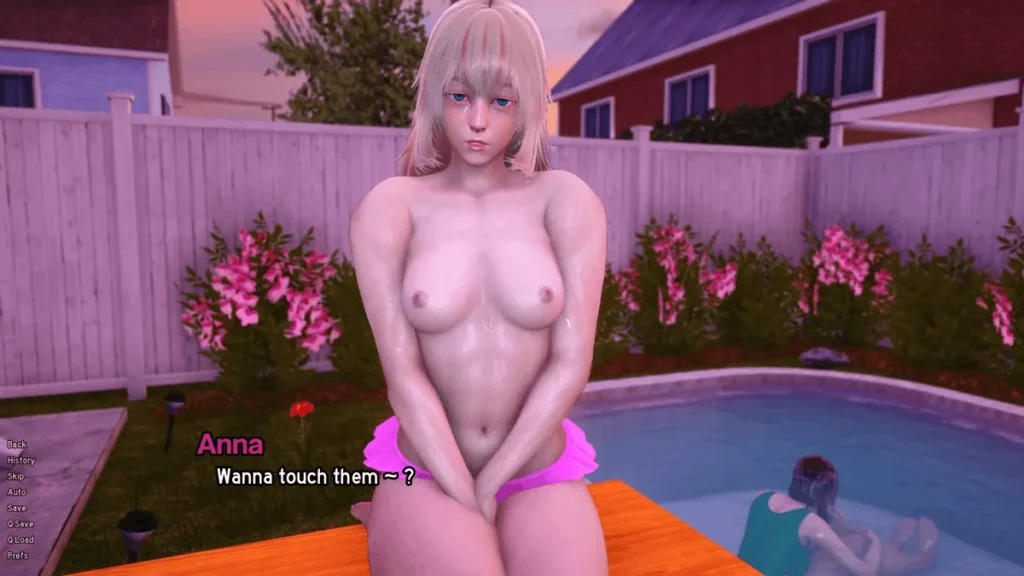
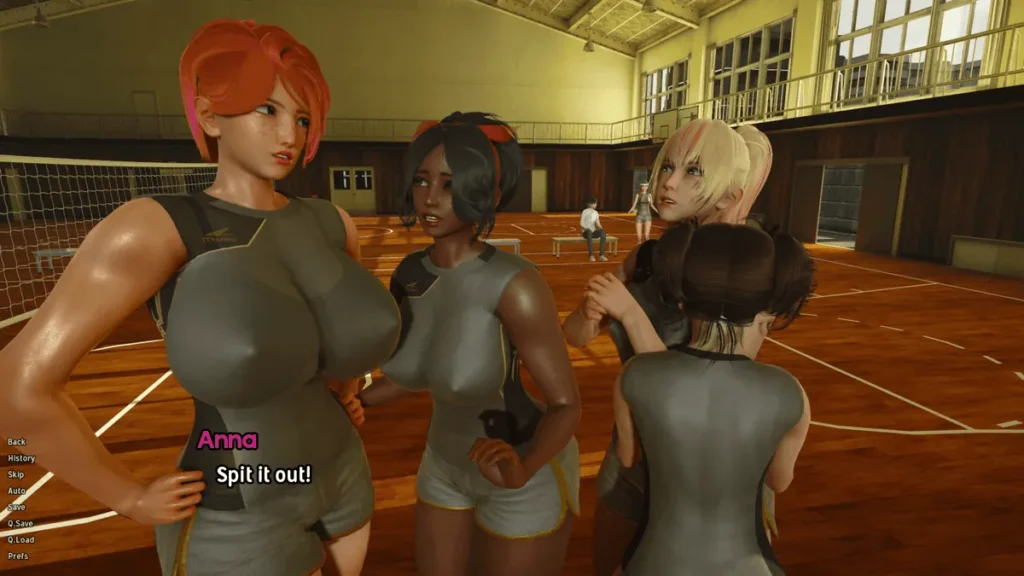
The Sin Within review
Understanding the adult-themed indie game that sparked debate in gaming communities
The Sin Within is an indie game that has generated significant discussion within gaming communities due to its mature content and controversial themes. Released on platforms like itch.io, this adult-oriented title explores themes that push boundaries in indie game development. Whether you’re curious about what makes this game notable, interested in its gameplay mechanics, or seeking to understand the community response, this guide provides comprehensive insights into The Sin Within’s place in the indie gaming landscape and the conversations it has sparked about content moderation and artistic expression in games.
What Is The Sin Within: Game Overview and Core Mechanics
Ever stumbled upon a game that makes you pause, your cursor hovering over the download button as you wonder, “What am I about to get myself into?” 😳 That’s the exact feeling I had when I first discovered The Sin Within indie game. Tucked away in a digital corner of the internet, this title doesn’t just want to entertain you—it aims to challenge you, unsettle you, and make you question the very choices you make on screen. If you’ve heard whispers about a controversial indie title sparking heated forum threads and polarized reviews, you’re likely hearing about this one.
In this deep dive, we’re pulling back the curtain on one of the most talked-about mature content indie games in recent memory. We’ll explore its dark heart, understand its mechanics, and discuss why it’s become a flashpoint for debate. Whether you’re curious, cautious, or just looking for your next intense narrative fix, consider this your guide to understanding the phenomenon. Let’s get into it. 🕵️♂️
Understanding The Sin Within’s Premise and Setting
Picture this: you wake up with no memory in a decaying, labyrinthine mansion that feels less like a building and more like a living, breathing entity of regret. The air is thick with the scent of old wood and dust, and every shadow seems to hold a secret. This is the world of The Sin Within. It’s not just a location; it’s a character in itself, a physical manifestation of a fractured psyche. The game immediately establishes that you’re not here for a lighthearted adventure.
The core premise is a psychological deep-dive into guilt, consequence, and the darker facets of human nature. You play as a protagonist grappling with a traumatic past, and the entire environment shifts and warps based on your emotional state and decisions. One moment you’re in a stately library, the next, the walls are bleeding ink and the shelves are screaming whispers of your past failures. It’s a masterclass in atmospheric dread, using its setting not for cheap scares, but for profound, lingering discomfort. 😨
What sets this apart from other adult indie games itch.io hosts is its uncompromising commitment to its theme. The “sin” isn’t a generic evil; it’s personal, intimate, and often horrifically relatable. The narrative unfolds through environmental storytelling, haunting audio logs, and interactions with other lost souls trapped within the mansion’s walls. You’ll piece together stories of betrayal, loss, and moral compromise, each one reflecting a piece of the puzzle that is your own character. It’s this layered, introspective approach to mature content that has earned the game both acclaim and notoriety.
Personal Insight: The first time I played, I spent nearly 20 minutes just in the initial hallway, terrified to open a door. The game had already gotten under my skin with pure ambiance before anything “shocking” even happened. That’s its real power.
Gameplay Mechanics and Player Experience
So, how do you actually play a game like this? If you’re expecting fast-paced action, you’ll need to reset your expectations. The Sin Within gameplay mechanics are deliberately methodical, designed to make you sit with every decision and its weight. This is a slow-burn experience where your mind is the primary controller.
At its heart, the game is a narrative-driven adventure with strong puzzle and exploration elements. The player experience is defined by a constant, low-grade tension. You’ll explore the non-linear mansion, solve environmental puzzles that often involve manipulating light, sound, and even memory, and make dialogue choices that irrevocably alter the story’s path and the world around you.
Here are the key features that define the experience:
- Choice & Consequence System: Every decision, from how you speak to a character to which path you explore, is tracked. The game features a subtle “Karma” or “Sensitivity” system that isn’t displayed as a meter but is felt through environmental changes, character reactions, and altered narrative outcomes. Helping a tormented spirit might cleanse a room of its haunting visuals, while a selfish act could cause new, terrifying manifestations to appear later.
- Psychological State Management: Your character’s sanity or emotional stability is a core resource. Witnessing disturbing events, making morally difficult choices, or even reading certain documents will affect this state. When it deteriorates, the world becomes more hostile and unreliable—walls may close in, sounds become distorted, and puzzles change. You must find moments of “respite” or make positive choices to restore balance.
- Puzzle Integration: Puzzles are never just locks and keys. They are metaphors. A puzzle about connecting broken music box pieces might be tied to reconciling a childhood memory. The solution is never just logical; it’s often emotional or narrative-based, forcing you to engage deeply with the story.
- Minimalist Interaction: The game uses a simple, clean interface. You examine, you pick up, you choose. This simplicity keeps you immersed in the world, making the moments of intense mature content feel even more direct and unmediated by gamey menus.
My own playthrough was a lesson in paranoia. I became obsessed with checking every corner, terrified I’d miss a clue or trigger an unseen consequence. A The Sin Within game review often can’t capture this feeling—it’s deeply personal. One friend’s playthrough was a story of attempted redemption, while mine spiraled into a guilt-ridden nightmare because of different choices we made in the first act. This reactive, personal journey is what makes its gameplay mechanics so compelling and discussion-worthy.
| Core Mechanic | How It Works | Impact on Player Experience |
|---|---|---|
| Dynamic Environment | The mansion’s layout, visuals, and sounds change based on player choices and psychological state. | Creates a unique, personalized horror experience where the world itself is unpredictable and reflective of your actions. |
| Dialogue & Moral Choices | Conversation trees with NPCs offer multiple responses that align with empathy, aggression, or avoidance. | Forces deep engagement with the narrative and characters, making you directly responsible for the story’s emotional trajectory. |
| Sanity/Stability System | Witnessing events and making choices drains a hidden stability resource, altering perception. | Adds a layer of constant tension and resource management, where “safety” is not just physical but mental. |
| Metaphorical Puzzle Design | Puzzles require understanding narrative themes and character backstories to solve, not just logic. | Deepens immersion and ensures gameplay is always in service of the story and themes. |
Where to Find and Access The Sin Within
You won’t find The Sin Within on mainstream storefronts. Its home, like many boundary-pushing experimental projects, is on itch.io. This platform has become the premier hub for adult indie games itch.io creators love, offering developers freedom from the strict content policies of larger stores. Finding the game is straightforward: simply search for “The Sin Within” on the itch.io website. 👾
The game’s page is itself an exercise in its aesthetic—often minimal, atmospheric, and clearly marked with its content advisories. This leads to the most critical step before you consider downloading: heeding the indie game content warnings. The developer is exceptionally transparent about what the experience contains. We’re talking detailed lists that go beyond the standard “violence” or “language.”
These warnings typically include:
* Psychological Horror: Themes of depression, anxiety, suicide, and trauma.
* Disturbing Imagery: Body horror, surreal and grotesque visual transformations.
* Strong Narrative Content: Explicit discussions and depictions of abuse, guilt, and moral failure.
* Sensory Intensity: Flashing lights, unsettling sound design, and moments of extreme audio-visual disorientation.
Taking these warnings seriously is non-negotiable. This isn’t about being “strong enough” to handle it; it’s about personal well-being. I made the mistake of diving into a late-night session after a stressful day, and I had to stop within an hour. The content resonated far too deeply. This game demands to be played in the right headspace.
Once you’ve made an informed decision, purchasing and accessing it is simple. You can buy it directly, often with a “pay-what-you-want” minimum or a fixed price, and download a DRM-free executable for PC. The community around it on itch.io is also a valuable resource, with developer logs and player discussions that can provide context and support. This direct-to-player model is a big part of why controversial indie games explained often start here—it’s a space for unfiltered artistic expression.
Ultimately, accessing The Sin Within is about more than a transaction. It’s about consciously choosing to step into a challenging, artistic experience. It respects you enough to warn you, and in return, it asks for your focused, thoughtful engagement. Whether that’s for you is a deeply personal question, but for those who venture in, it’s an experience that lingers long after the game is closed. 🤔
FAQ: Common Questions About Accessing and Playing The Sin Within
Q: Is The Sin Within only available on itch.io?
A: Yes, primarily. As of now, the developer has released The Sin Within indie game exclusively on itch.io. This platform allows for the creative freedom and direct community interaction that such a personal project requires.
Q: How long is the gameplay experience?
A: A single playthrough can take anywhere from 6 to 10 hours, heavily dependent on how thoroughly you explore and how much you ponder the puzzles and narrative choices. The branching paths and consequences encourage multiple playthroughs to see different outcomes.
Q: Are the content warnings really that important?
A: Absolutely. This is the most critical point for potential players. The indie game content warnings provided are exhaustive and serious. If you are sensitive to depictions of psychological trauma, self-harm, or intense body horror, you should seriously consider if this experience is for you. It’s designed to be emotionally impactful.
Q: What kind of PC specs do I need to run it?
A: The game is not graphically intensive, favoring strong art direction over high-polygon counts. Most modern integrated graphics should handle it, but always check the specific requirements listed on the game’s itch.io page for the most accurate information.
Q: Why is this game considered so controversial?
A: It boils down to its unflinching approach to mature content. Unlike many games that use mature themes for shock or spectacle, The Sin Within integrates them into its core narrative and gameplay in a way that feels intimate and psychologically raw. This provokes strong, divided reactions about its purpose and artistic merit, perfectly exemplifying why we need articles like controversial indie games explained.
The Sin Within represents a significant moment in indie game development, highlighting the evolving landscape of what independent developers can create and distribute. As a title that pushes boundaries with its mature content, the game has sparked important conversations about artistic expression, community standards, and platform responsibility in the gaming industry. Whether viewed as controversial or as legitimate artistic exploration, The Sin Within demonstrates how indie games continue to challenge traditional gaming norms and expand the medium’s creative possibilities. For those interested in understanding modern indie gaming culture and the ongoing debates about content and creativity, The Sin Within serves as a compelling case study. As the indie gaming scene continues to grow and diversify, games like this will likely remain central to discussions about what games can explore and how communities should respond to challenging content.